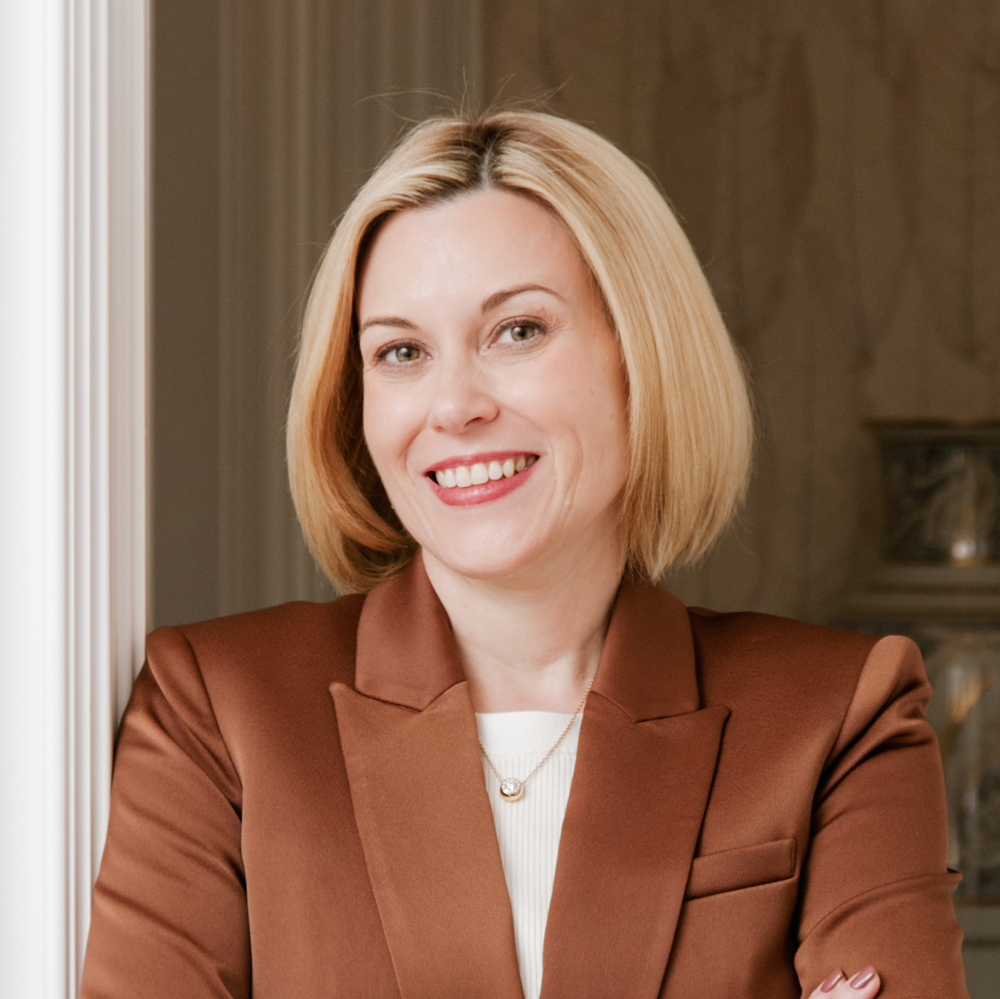
Erin Clifford is a Chicago-based corporate wellness consultant and Licensed Professional Counselor who helps professionals create harmonious, healthy lives through holistic strategies. With expertise in nutrition, stress management, and mental health, she tailors programs to meet the demands of busy professionals. Erin holds a Master’s in Mental Health Counseling from Northwestern and serves as a leader at Clifford Law Offices. In May 2025, she released her first book, Wellness Reimagined: A Holistic Approach to Health, Happiness, and Harmony, which hit the Top 10 of USA TODAY’s Best-Selling Booklist in its second week.
We were delighted to meet Erin at our Wellbeing at Work Summit in Chicago earlier this year where she was running a workshop entitled “Reimagining Wellness for Leaders – Stategies to Thrive at Work and in Life”. It was a fantastic session which was very well recevied by our audience.
We caught up with Erin following the summit to find out a little bit more about her and her thoughts on wellbeing at work:
Hi Erin, it was great to see you at our Wellbeing at Work Summit in Chicago. Our first and most important question is, how are you doing today?
I am doing well, thank you. Like many professionals, I am balancing a full schedule of work, speaking engagements, family commitments, and personal wellness practices. One of the things I teach is that well-being is not a destination where everything is perfectly balanced all the time. It is an ongoing practice of paying attention, making adjustments, and prioritizing what matters most. Today, I feel energized and grateful to be doing work that helps individuals and organizations thrive.
As a leader based in the region, what are the main challenges you are facing when it comes to employee wellbeing and mental health?
One of the biggest challenges is that many employees are still operating in a state of chronic stress. While conversations around mental health have become more accepted, workloads, economic uncertainty, rapid technological change, and the expectation to always be available continue to create pressure.
Another challenge is helping organizations move beyond awareness and into action. Most leaders understand that well-being matters, but many are still figuring out how to integrate it into culture, leadership development, and business strategy in a meaningful way. Sustainable wellbeing requires more than a wellness program. It requires systems, leadership behaviors, and workplace norms that support healthy performance.
What strategies have you seen developing over the past 6 months, both internally and externally, that are moving the dial on wellbeing in the workplace?
I am seeing a shift away from one-size-fits-all wellness initiatives and toward more personalized, evidence-based approaches. Organizations are recognizing that well-being is influenced by many factors, including workload, leadership, relationships, purpose, and recovery.
I have also seen increased interest in manager training. Leaders have an enormous impact on employee well-being, and organizations are investing more in helping managers recognize burnout, communicate effectively, and create psychologically safe environments.
Another positive development is the growing focus on measuring outcomes. Companies want to understand how well-being influences engagement, retention, productivity, and overall business performance, which helps move well-being from a nice-to-have initiative to a strategic priority.
Why is employee wellbeing so important to you personally?
My passion for employee well-being comes from both my professional and personal experiences. As a licensed professional counselor, board-certified health and wellness coach, and corporate wellness consultant, I have spent years helping individuals navigate stress, burnout, and life transitions.
I have also seen firsthand how workplace culture can either support or undermine someone’s overall health. When people are thriving at work, the positive effects extend far beyond the workplace. It influences their relationships, physical health, emotional well-being, and sense of purpose. Helping people achieve sustainable success without sacrificing their health is at the core of everything I do.
What impact is AI having in your organization and how are you managing that?
AI is creating tremendous opportunities for efficiency, innovation, and productivity. It can automate repetitive tasks, support data analysis, and help professionals work more effectively. At the same time, it is creating uncertainty among many employees, who are concerned about shifting job expectations and the pace of technological advancement.
I believe organizations must approach AI with both optimism and intentionality. Technology should enhance human potential, not replace the human skills that matter most, such as critical thinking, creativity, emotional intelligence, communication, and leadership. The organizations that will be most successful are those that invest in both technological capability and human capability.
Other than AI, are there any challenges that you are seeing for the first time and how are you addressing them?
One challenge I am seeing more frequently is a growing sense of disconnection. Despite being more digitally connected than ever, many employees report feeling isolated, disengaged, or less connected to their teams and organizations.
To address this, I encourage leaders to intentionally create opportunities for meaningful connection. This includes fostering stronger team relationships, encouraging authentic communication, recognizing contributions, and helping employees feel connected to a larger purpose. Belonging is not just a cultural issue. It is a well-being issue.
What areas do you think employers should be focused on over the next 12 months?
Over the next year, I believe employers should focus on three key areas:
- Preventing burnout through sustainable workload management and healthy workplace expectations.
- Developing leaders who can support both performance and well-being.
- Building cultures that foster connection, psychological safety, and resilience.
Organizations should also continue investing in mental health resources while recognizing that employee well-being is shaped by day-to-day work experiences, not just by wellness benefits. The future of workplace well-being will depend on how effectively organizations integrate well-being into the way work gets done.
Do you feel that investment in employee wellbeing in the region is increasing or decreasing and is that a direct reflection on HR leaders’ increasing ability to demonstrate effective returns of their strategies to leadership?
Overall, I believe investment is increasing, although organizations are becoming more selective and strategic about where they invest. There is greater emphasis on measurable outcomes and demonstrating how well-being initiatives contribute to business goals.
HR and well-being leaders have become much more sophisticated in connecting well-being to key organizational metrics such as retention, engagement, productivity, healthcare costs, and leadership effectiveness. As a result, executive leaders are increasingly viewing well-being as a business strategy rather than simply an employee benefit.
How has your organisation been leading the way?
Through my work as a corporate wellness consultant, speaker, counselor, and coach, I focus on helping organizations create sustainable approaches to well-being that support both employee health and business performance.
Rather than viewing well-being as a standalone initiative, I encourage organizations to integrate it into leadership development, workplace culture, communication practices, and organizational strategy. My work centers on helping leaders understand that high performance and well-being are not competing priorities. In fact, well-being is one of the strongest drivers of long-term performance, engagement, and organizational success.
That message has resonated with organizations across industries because employees perform at their best when they have the support, resources, and culture they need to thrive.
Visit our Summit Calendar to find out more about our future summits and secure a seat at your closest location.