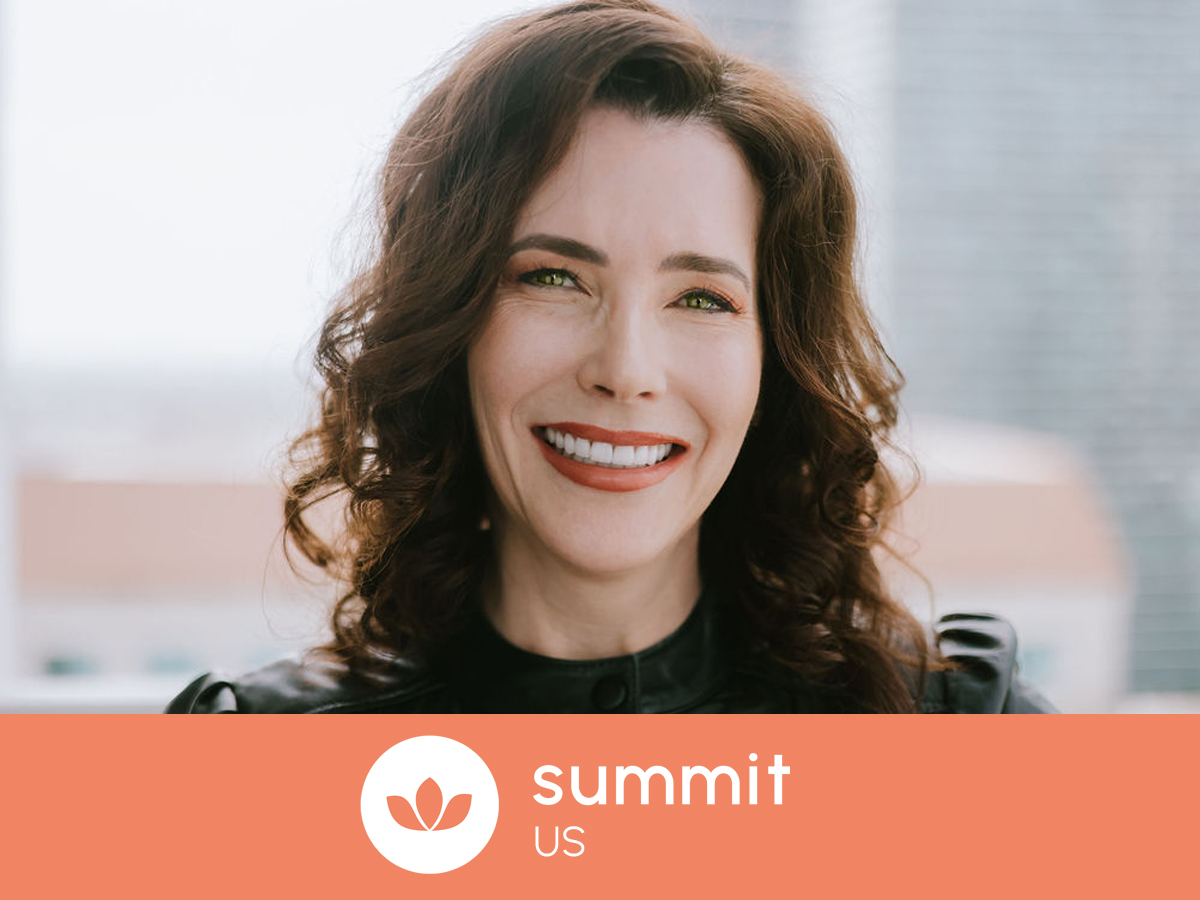
Alison Unsted is Chief Executive Officer of MindForward Alliance, a global nonprofit organisation dedicated to creating workplaces that are good for people’s mental health and enable sustainable high performance.
With nearly 30 years’ HR leadership experience across professional services, retail and STEM, including senior roles at Hogan Lovells, the John Lewis Partnership and BAE Systems, Alison works with senior leaders, global organisations and policymakers to embed mental health and wellbeing into business strategy. She is passionate about helping organisations create cultures where people thrive and performance is sustained, combining evidence-based approaches with practical action.
Under her leadership, MindForward Alliance has expanded its global reach, strengthened strategic partnerships, and developed the internationally recognised Thriving at Work Framework and Assessment in collaboration with the Oxford Wellbeing Research Centre and the World Wellbeing Movement.
A regular speaker and trusted adviser, Alison brings together leaders from business, academia and policy to shape the future of mentally healthy, high-performing workplaces.
We are delighted that Alison will be speaking on our Reimagining Wellbeing Leadership Panel as part of our London Summit on 15th September. We caught up with her to see how she’s feeling in the run up to the summit:
Hi Alison, we are thrilled that you are joining us at the Wellbeing at Work Summit London in September. Our first and most important question is, how are you doing today?
I am looking forward to it – thank you for having me! And to your question, I am well, thank you; very busy, but feeling energised in my work. Like many people, and as a working parent, I find I’m always switched on now and it can feel a bit relentless if you let it. So, I’m very consciously trying to protect and prioritise my own wellbeing, not just because it’s the right thing to model as a leader in this space, but because I know I perform at my best when I’m not running on empty.
The other challenge for me (and the team) right now is managing our ambition versus hours in the day. We’ve got a lot we want to achieve as an organisation and holding that ambition alongside the discipline to pace ourselves is a real, ongoing balancing act. I don’t think that tension ever fully resolves itself; it’s more something we must keep actively managing.
As a leader based in the region, what are the main challenges you are facing when it comes to employee wellbeing and mental health?
The biggest challenge I see across organisations is moving from awareness to embedded practice. Many organisations have invested in support services and preventative wellbeing tools, which are all great, but the harder work is changing how people manage, resource, and make decisions day to day. Ultimately, it’s about creating the right culture and conditions for people to thrive at work.
The second challenge is demonstrating impact and ROI. Budgets are under constant scrutiny, leaders are being asked to justify wellbeing spend with the same rigour as any other investment, and many don’t yet have the data or benchmarking to do that. At the macro level, just because the cost of poor employee wellbeing doesn’t show up as a line on the P&L, that doesn’t mean it isn’t there. It shows up in absence, attrition, presenteeism, and lost productivity. However, the good news is that the evidence base is growing, and we can see organisations that get this right are outperforming those that don’t.
What strategies have you seen developing over the past 6 months, both internally and externally, that are moving the dial on wellbeing in the workplace?
Organisations we work with are using data in lots of different (and innovative) ways to inform their progress and priorities, whether that’s a benchmarking assessment like our Thriving at Work Assessment, employee sentiment data, workplace analytics, or wearables. Some are using that data to shift focus upstream, toward prevention and early intervention, rather than wait until people need help. It’s about helping and nudging individuals to prioritise and protect their own wellbeing – something many people are not good at! I’m also seeing a real focus toward consolidating wellbeing services seeking to maximising the return on what organisations already investing, rather than just adding more on top.
Underpinning all of that, there’s a genuine shift in the narrative around workplace wellbeing itself. Wellbeing is being positioned as less of a moral imperative/right thing to do, and much more as a driver of performance. That reframing matters, because it’s what’s making the data and the investment case land with leadership in a way it perhaps didn’t a few years ago and most importantly keeping it on the boardroom agenda.
Why is employee wellbeing so important to you personally?
For me, this is deeply personal as well as professional. Many people close to me have experienced mental health challenges, including my daughter, so I’ve seen first-hand the human impact that poor mental health can have on individuals and the people who care about them. I’ve also seen the incredible difference that the right support, offered early, can make to someone’s recovery and ability to flourish again.
One of the biggest barriers is that people often don’t feel safe enough to speak up or ask for help until they’re already struggling. That’s why creating psychologically safe workplaces matters so much. When people feel able to have honest conversations without fear of judgement or negative consequences, organisations can support people earlier, before challenges become crises.
What continues to inspire me is that work has enormous potential not only to protect people’s mental health, but to actively create health. We invest heavily in technology, systems and transformation programmes to improve organisational performance, yet one of the most powerful drivers of sustainable success is often overlooked: the culture we create, the behaviours leaders role model, and the quality of work people experience every day.
That’s why I’m so passionate about this work. I don’t believe organisations have to choose between caring for their people and delivering high performance. When we create the conditions for people to thrive, we strengthen both human wellbeing and organisational performance.
What impact is AI having in your organization and how are you managing that?
AI is changing the shape of work faster than most organisation and People/HR strategies have been designed for. It’s affecting job security anxiety, workload intensity, and how early-career employees build skills, networks and confidence. We’re focused on helping our members think through the human impact: how do you plan for a future workforce when the future is unclear, how do you support a workforce through that uncertainty, and how do you make sure AI supports wellbeing rather than negatively impact it. Internally, we’re using it more and I am optimistic about the benefits it can bring if we use it in the right way.
Other than AI, are there any challenges that you are seeing for the first time and how are you addressing them?
This is not new, but we are seeing the mental health impact of prolonged economic and geopolitical uncertainty on employees and the challenge for senior leaders themselves. Global data from various sources shows engagement is now at its lowest point since 2020, and even where wellbeing has improved slightly, stress and burnout remain high. So, this is very much not job done and needs continued focus.
Another area I am passionate about is the importance of human connection. What we believe we value, the way we live our modern lives, the recent changes to our ways of working and on-going technological developments are impacting how we connect with one another. This has serious implications for our mental and physical health and yet we are not really discussing this. From an organisation’s perspective it’s important to provide opportunities for purposeful connection to ensure individuals are building meaningful relationships, this is especially important for those in their early careers.
What areas do you think employers should be focused on over the next 12 months?
Three things: moving from awareness to measurable, embedded practice; building a genuine prevention approach rather than only reactive support; and equipping line managers who have the single biggest influence on day-to-day experience and wellbeing with real skills to protect and support their team’s wellbeing.
Do you feel that investment in employee wellbeing in the region is increasing or decreasing and is that a direct reflection on HR leaders’ increasing ability to demonstrate effective returns of their strategies to leadership?
It’s genuinely mixed and varies from organisation to organisation. For many, the biggest challenge isn’t a willingness to invest in employee wellbeing, it’s knowing where to invest and being able to demonstrate the impact of that investment. As I mentioned earlier, measuring ROI can be difficult, particularly when organisations are implementing standalone initiatives without addressing the wider workplace environment.
We’ve seen many organisations invest significant time and resource into wellbeing activities that are positive in themselves but, in isolation, are unlikely to deliver meaningful or sustainable change. That’s why our evidence-based Thriving at Work Framework takes a whole-organisation approach, focusing on three interconnected areas: organisational culture, the work environment, and the support available when people need it.
Where that holistic approach is missing, wellbeing investment is often the first thing to come under scrutiny when budgets tighten because the impact is difficult to evidence. By contrast, organisations that have embedded wellbeing into the way they lead, manage and design work are far better placed to demonstrate outcomes and sustain investment over the long term.
Ultimately, I think we need to change how we look at our wellbeing spend. Too often wellbeing is viewed as a discretionary cost, when the evidence increasingly shows it is an investment in organisational performance, productivity and resilience. Leadership is critical to making that shift. When senior leaders understand that creating the conditions for people to thrive is a business strategy rather than simply an HR initiative, investment becomes much easier to justify and protect.
How has your organisation been leading the way?
We’re probably in a slightly different position to the other organisations because we help organisations across sectors build workplaces where people can thrive and perform sustainably.
We’ve developed practical, evidence-based tools that help organisations understand where they are today and where they should focus next. Rather than relying on assumptions or good intentions, organisations can benchmark their approach against recognised best practice and prioritise investment where it will have the greatest impact.
We also work directly with leaders and people managers to build the skills and confidence needed to create healthy, high-performing cultures. Ultimately, our aim is to help organisations move beyond wellbeing as a collection of initiatives and instead embed it as part of how they lead, manage people and drive sustainable business performance.
Alison is speaking in London as part of our Wellbeing at Work Summit UK 2026 which takes place in London and Manchester this September. Click the links below to find out more and book your tickets:
London Summit 15th September: Find out more and Book Your London Tickets Here
Manchester Summit 17th September: Find out more and Book Your Manchester Tickets Here