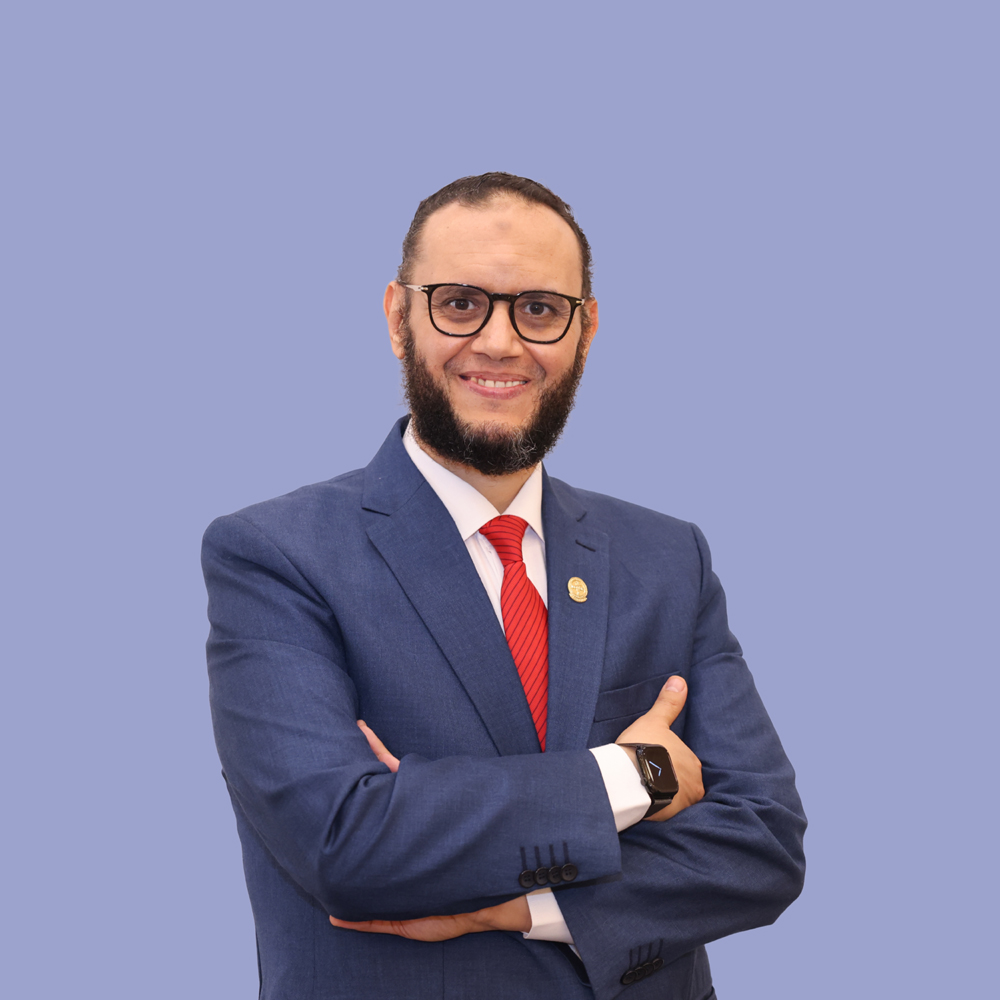
Ahmed Albadry is a distinguished Director with over 23 years as an occupational medicine expert and corporate wellness advocate. Holding an MBA, PhD and an ACOEM Fellowship, he is also a Certified Wellness Professional (CWP). A dynamic leader, he empowers individuals and organizations across Saudi Arabia and the Arab world to thrive.
Prof. Albadry pioneered the Tawuniya Wellness Model, the first locally invented framework of its kind in the Middle East, which established the foundational national wellbeing index for the Saudi market. He is a recognized, forward-thinking leader dedicated to corporate vitality.
We are delighted that Ahmed will be speaking in Riyadh this week as part of our Wellbeing at Work Summit Middle East. We caught up with him to see how he’s feeling in the runup to the event.
Hi Ahmed, we are thrilled that you will be joining us at the Wellbeing at Work Summit Middle East. Our first and most important question is, how are you doing today?
Thank you for asking. I am energized and focused. In my work I always measure wellbeing not as a static state, but as a dynamic balance of energy, purpose, and connection. Today, I feel a strong alignment across those dimensions—energized by the growing conversation in middle east region, purposeful in our mission to redefine corporate health, and connected to a community of leaders like those reading these words now, who are ready to move from intention to integrated action.
As a leader based in the region, what are the main challenges you are facing when it comes to employee wellbeing and mental health?
We see three core, interconnected challenges. First, the “Productivity Paradox”: The intense drive for economic growth and performance can inadvertently create cultures of constant availability and burnout, where wellbeing is seen as a personal perk, not a strategic performance driver. Second, the “Cultural Gap”: Wellbeing isn’t one-size-fits-all. Global programs often miss the mark on our unique social fabrics, familial pressures, and the unspoken stigma that can still surround mental health discussions in professional settings in Arabic communities. Third, the “Measurement Confusion”: Many organizations are investing in disparate initiatives—a yoga class, an EAP—but lack a holistic, data-driven framework to measure their true impact on resilience, engagement, and organizational health, making it hard to justify sustained investment.
What strategies have you seen developing over the past 6 months, both internally and externally, that are moving the dial on wellbeing in the workplace?
The most significant shift is from programs to embedded ecosystems. Externally, we see leading firms moving beyond standalone apps to integrating wellbeing metrics into core business dashboards. Internally, the strategy is about “Manager as Catalyst” We’re equipping line managers—not just HR—with the skills and metrics to have compassionate, data-informed check-ins that tie team wellbeing to operational outcomes.
Why is employee wellbeing so important to you personally?
Based on my beliefs as occupational medicine consultant, I view the work not as a transaction, but as an ecosystem of human potential. When we design workplaces that deplete people, we isolate value. When we design for holistic wellbeing, we unlock sustainable potential. Personally, it stems from witnessing the silent toll of mismanaged stress on brilliant minds and the transformative power of an environment where people feel truly seen, supported, and able to contribute their best selves. This isn’t soft science; it’s the hard edge of future-proofing our organizations and our societies.
What impact is AI having in your organization and how are you managing that?
AI presents the wellbeing challenge: amplified efficiency versus amplified anxiety. It’s creating two streams of pressure: the fear of displacement and the reality of “always-on” digital overwhelm from new tools.
Our management approach through the Tawunyia lens is two-fold. First, Transparent Co-Creation: We involve employees in designing AI adoption guidelines, focusing on augmentation, not replacement, and explicitly addressing job redesign. Second, we’ve added a new dimension to our Index: “Digital Harmony.” We measure not just workload, but the cognitive and emotional load induced by digital tools. We’re using AI itself to combat its own stress—through personalized workload nudges, identifying collaboration overload, and creating “focus time” protocols. We manage the human experience of AI, not just the technology.
Other than AI, are there any challenges that you are seeing for the first time and how are you addressing them?
Yes, the critical challenge of “First-Job Burnout” in Gen Z. They are entering a high-pressure work world with different expectations for purpose and management, leading to rapid disappointment.
Our strategic solution focuses on prevention, starting at the gate. We advocate for advanced pre-employment psychometric testing—not for screening out, but for matching and forecasting. By understanding a candidate’s innate drivers, stress triggers, and optimal work styles before they join, we can proactively place them in roles and teams where they will thrive, not just survive.
This data allows managers to adopt a personalized, coaching-oriented approach from day one, preventing misalignment and building resilience. It shifts the model from reactive burnout intervention to prospective wellbeing design.
What areas do you think employers should be focused on over the next 12 months?
Three priority areas:
1. Proactive Resilience Infrastructure: Shift from reactive mental health support to building daily habits of cognitive and emotional resilience, training managers to spot early signs of strain.
2. Purpose and Impact Clarity: In a turbulent world, connecting an individual’s work to a tangible impact is a profound wellbeing driver. Leaders must become storytellers of purpose.
3. Mastering the “Metrics that Matter”: Focus on leading indicators (e.g., energy renewal rates, sense of inclusion, strategic alignment) rather than lagging ones like absenteeism. Correlate these directly with team performance, innovation metrics, and retention to build the business case.
Do you feel that investment in employee wellbeing in the region is increasing or decreasing and is that a direct reflection on HR leaders’ increasing ability to demonstrate effective returns of their strategies to leadership?
Investment is increasing but becoming more discerning. The era of blanket, unmeasured spending is over. The increase is now directly tied to HR and wellbeing leaders’ ability to speak the language of the C-suite: risk, return, and resilience.
Those using frameworks which generate a quantifiable Corporate Wellness Score linked to performance outcomes, are securing greater and more strategic investment.
They’re moving from asking for a budget to presenting a business case that shows how wellbeing investment mitigates talent attrition risk, boosts discretionary effort, and fosters adaptive capacity. The leaders who can’t demonstrate ROI are seeing their budgets plateau or get cut.
How has your organization been leading the way?
We have led by moving from philosophy to a measurable, integrated system. The Tawunyia Corporate Wellness Model and Index provide the region’s first culturally contextualized framework that doesn’t just assess wellbeing but prescribes strategic actions. We don’t just run surveys; we diagnose organizational health and co-create interventions that tie directly to business goals.
We lead by example—using our own Index to guide our culture, and by partnering with visionary organizations to embed wellbeing into their strategic DNA. Our leadership is in proving that a flourishing workforce is not an expense, but the ultimate competitive advantage in the Middle East’s next chapter. We are providing the compass and the map for this essential journey.
Ahmed will be speaking in Riyadh this week as part of our Wellbeing at Work Summit Middle East 2026 which takes place in Cairo, Riyadh, Muscat and Dubai in January. Click the links below to find out more and book your tickets:
20 January 2026 – Cairo – Click here to find out more and book
22 January 2026 – Riyadh – Click here to find out more and book
27 January 2026 – Muscat – Click here to find out more and book
29 January 2026 – Dubai – Click here to find out more and book