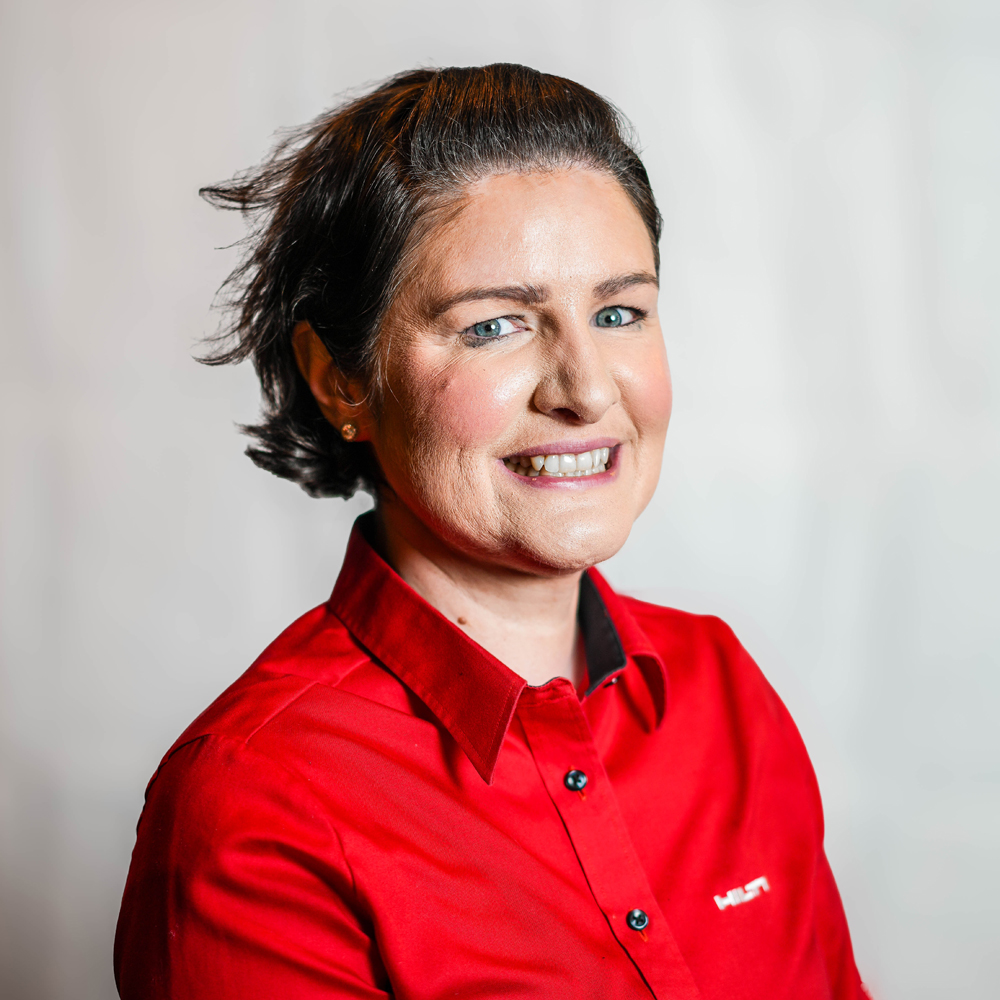
Kim has over 20 years of experience in translating business strategies into actionable, progressive people plans within multinationals and fast paced start-ups. As the Head of People Experience at Hilti Northern Europe, Kim is dedicated to fostering a positive and inclusive workplace culture, achieving sustained accolades in the UKs Best Companies to Work for and Great Place to Work. Hilti is currently ranked 3rd Best Place to Work in Europe and 5th Best Place to Work globally.
We are delighted that Kim will be chairing our Leadership Panel – “Driving Performance in a Changing World: From Wellbeing to Workforce Advantage” as part of our Manchester Summit on 17th September. We caught up with her to see how she’s feeling in the run up to the summit:
Hi Kim, we are thrilled that you are joining us at the Wellbeing at Work Summit Manchester in September. Our first and most important question is, how are you doing today?
I’m doing well, thank you — delighted to be asked back to the summit. I am always able to takeaway so many practical ideas and it is energising to connect with people focused on the same priorities. Wellbeing is one of those topics that feels both deeply personal and strategically important, so I’m looking forward to sharing what we are learning at Hilti and hearing from others who are working through similar challenges.
As a leader based in the region, what are the main challenges you are facing when it comes to employee wellbeing and mental health?
For many organisations, including ours, the challenge is no longer simply whether wellbeing support exists — it is whether people feel able to use it, whether leaders know how to have the right conversations, and whether wellbeing is genuinely embedded into the employee experience. In a high-performing, customer-facing business, there is always pressure, pace and change. The opportunity is to help leaders recognise early signs of strain, create psychologically safe environments, and make wellbeing part of everyday team rhythms rather than something we only talk about during campaigns or moments of crisis.
What strategies have you seen developing over the past 6 months, both internally and externally, that are moving the dial on wellbeing in the workplace?
The strategies that seem to be moving the dial are the ones that connect wellbeing to culture, leadership and performance. At Hilti, we have focused on practical, accessible support — for example wellbeing check-ins for managers, mental health and resilience webinars, employee-led Own It! Mental Health & Wellbeing activity, and campaigns that encourage open conversations around topics that can still feel difficult or taboo. The most effective approaches are not standalone benefits; they are integrated into how leaders lead, how teams connect, and how employees experience belonging, flexibility, inclusion and support.
Why is employee wellbeing so important to you personally?
It matters to me because work has such a powerful influence on people’s lives. I strongly believe workplaces can either drain confidence, energy and belonging — or they can create the conditions for people to grow, contribute and feel safe to be themselves. My work in People Experience, engagement and inclusion is all connected by the same purpose: helping build workplaces that feel fair, respectful, energising and human, while still enabling strong business performance.
What impact is AI having in your organization and how are you managing that?
AI is creating huge opportunity, particularly in how we simplify work, make information more accessible and help teams make better decisions faster. In HR, we are encouraging practical use of tools such as Microsoft Copilot to summarise meetings, draft communications, analyse feedback and support better preparation for leadership discussions. At the same time, we are very conscious of the human side of adoption. People need clarity, confidence and guardrails. Our focus is on using AI to enhance judgement and free up capacity for more meaningful human work — not to replace the empathy, trust and context that good leadership requires.
Other than AI, are there any challenges that you are seeing for the first time and how are you addressing them?
One challenge I see increasing is the complexity of sustaining energy through constant change. People are navigating new technologies, evolving customer expectations, hybrid ways of working, economic pressure and, in many cases, personal pressures outside work. Another challenge is making sure wellbeing reaches every part of the organisation — not just office-based colleagues, but field, warehouse, stores and operational teams whose day-to-day experience can be very different. We are addressing this by keeping wellbeing practical, leader-led and locally relevant, while using engagement data and employee listening to understand where support is most needed.
What areas do you think employers should be focused on over the next 12 months?
Employers should focus on manager capability, psychological safety, inclusion and the connection between wellbeing and performance. I think the next 12 months will require leaders to move beyond wellbeing as a programme and towards wellbeing as a leadership behaviour. That means equipping managers to spot pressure, have honest conversations, support flexibility where possible, and create team environments where people can speak up, recover, learn and perform sustainably. Data will also be important — but only if it leads to action that employees can feel.
Do you feel that investment in employee wellbeing in the region is increasing or decreasing and is that a direct reflection on HR leaders’ increasing ability to demonstrate effective returns of their strategies to leadership?
My sense is that investment is increasing, but expectations are also increasing. Leaders want to understand the impact of wellbeing activity, and rightly so. The return is not always a simple financial metric; it shows up through engagement, retention, inclusion, absence, performance, trust and the quality of leadership conversations. HR has an important role to play in connecting those dots — using data to inform priorities, but also bringing the human insight that explains what people are experiencing and what will make the biggest difference.
How has your organisation been leading the way?
At Hilti, we have tried to lead by making wellbeing part of our broader culture, engagement and inclusion agenda. Our approach combines strong leadership commitment, employee listening, data-led engagement action planning, and employee-led communities such as Own It! Mental Health & Wellbeing. We have developed practical resources for managers, promoted mental health and resilience learning, supported campaigns that open up conversations, and connected wellbeing to belonging, psychological safety and everyday leadership. For me, the progress comes when wellbeing stops being something owned by HR and becomes something every leader feels responsible for creating in their team.
Kim is speaking in Manchester as part of our Wellbeing at Work Summit UK 2026 which takes place in London and Manchester this September. Click the links below to find out more and book your tickets:
London Summit 15th September: Find out more and Book Your London Tickets Here
Manchester Summit 17th September: Find out more and Book Your Manchester Tickets Here