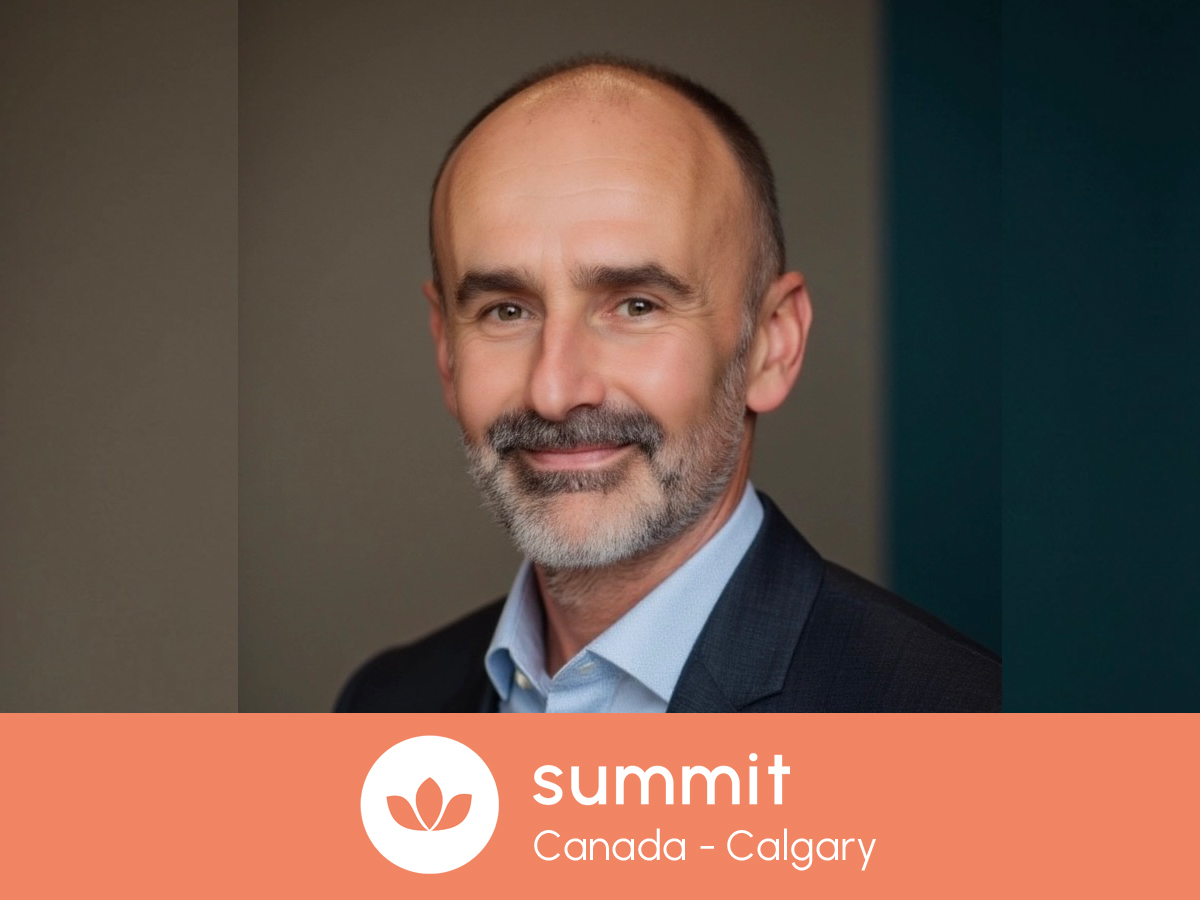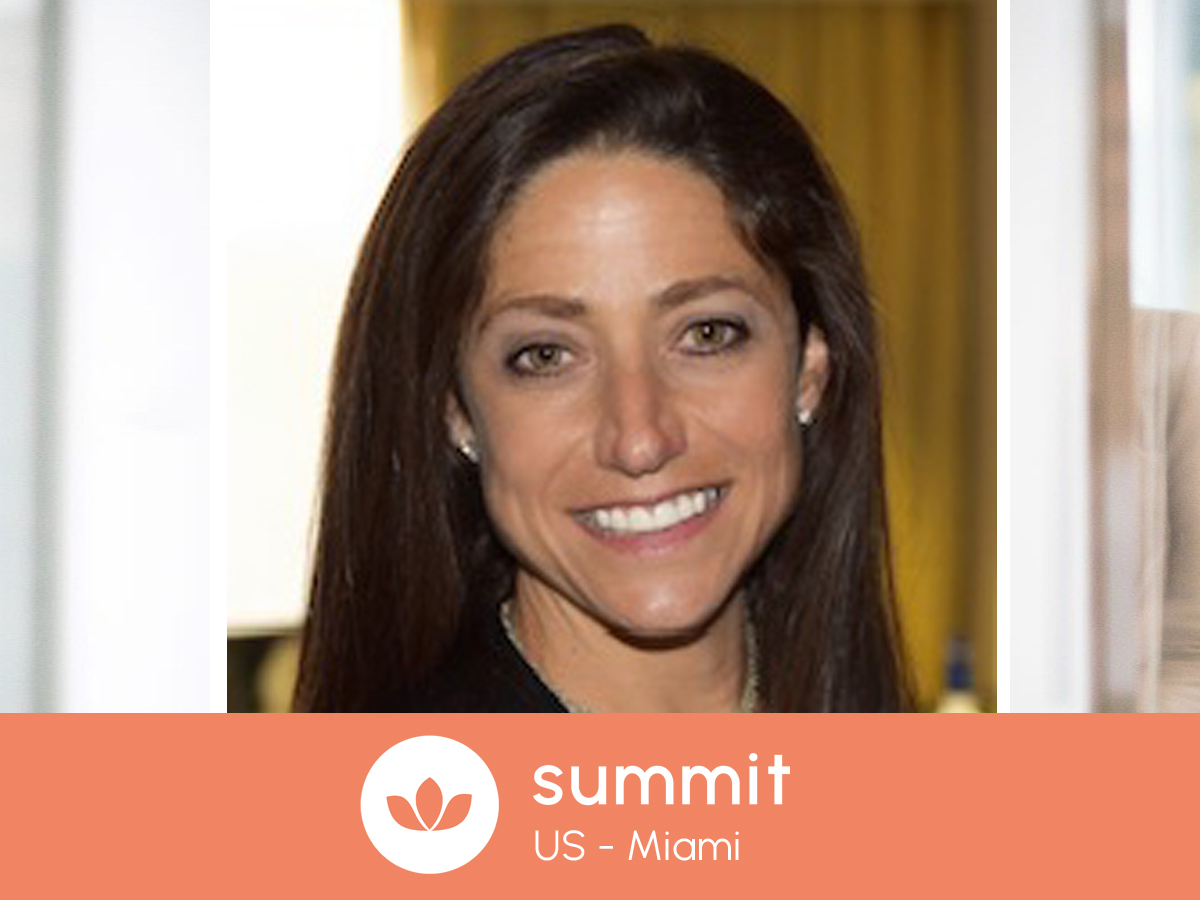
Yeshework is Product Growth Manager at MentallyLab, where she helps organizations adopt evidence-based approaches to psychosocial risk assessment and workplace wellbeing. With a background in organizational psychology and international People Operations, she is passionate about translating psychological research into practical strategies that help both people and organizations thrive.
We are delighted to be partnering with MentallyLab and MentallyPro for our UK summit where Yeshework and her CEO, Jorge Tubio, will be running workshops in both London and Manchester to help you build healthier, safer and better-performing workplaces.
We caught up with Yeshework to see how she’s feeling in the run up to the summit:
Hi Yeshework, we are thrilled that you are joining us at the Wellbeing at Work Summits in both London and Manchester in September. Our first and most important question is, how are you doing today?
Doing fantastic! I’ve just come back after taking a few weeks away for some much-needed R&R. I absolutely love what we do, and that passion gives me a huge amount of energy, but I’m also a big believer in practising what we preach! So I’m back, recharged, and really excited about what’s ahead.
As a leader based in the region, what are the main challenges you are facing when it comes to employee wellbeing and mental health?
The biggest challenge is that we are still far too reactive. We wait until somebody is burned out, absent from work or thinking about leaving before we decide there is a problem. The cost of that approach is enormous, and it doesn’t only appear in a mental health budget. You see it in sick leave, turnover, disengagement, lost productivity and ultimately in business performance. We need to get better at diagnosing the work, not just the worker. Moving forward, the challenge we need to meet is pivoting from individual focused approaches to systemic ones.
What strategies have you seen developing over the past 6 months, both internally and externally, that are moving the dial on wellbeing in the workplace?
The biggest shift I’m seeing is the move away from wellbeing being a collection of initiatives and towards wellbeing becoming a management discipline. Data is a big part of this shift. But data without action is just a prettier dashboard! The organisations moving the dial are combining good measurement with leadership, manager capability and actual changes to how work is organised.
Why is employee wellbeing so important to you personally?
COVID was a real wake-up call for me. It demonstrated just how significant the workplace is in our lives. We spend an enormous amount of our time working, interacting with colleagues and managers, and operating within the systems our employers create. This also means organisations have an incredible opportunity. Work can contribute to somebody struggling, but it can also be a place that gives people purpose, connection, development and stability.
If we can make that environment healthier while also reducing absence and turnover, everybody wins.
What impact is AI having in your organization and how are you managing that?
AI is incredible for efficiency and speed, and for a small team like ours that can be a huge advantage, it allows us to move faster and achieve things that would previously have required a much bigger team. But I think we’re underestimating how much it is also increasing the intensity of work: the slower periods that used to give our brains a chance to reset are disappearing, and every efficiency gain quickly becomes an opportunity to do even more. We’re also paying attention to the risk that, the more we rely on AI to synthesize, summarize and recommend, the more we risk outsourcing not just tasks, but judgment.
Just because we can work at 100 miles an hour all day doesn’t mean we should; we need to make sure productivity gains don’t simply become a faster route to burnout and that in the race for efficiency we don’t end up losing the depth of thinking that good work requires.
Other than AI, are there any challenges that you are seeing for the first time and how are you addressing them?
I think one of the biggest challenges right now is change management. We’re operating in a VUCA world (constant change, uncertainty and increasing complexity) and this creates a real cognitive and emotional load for people. Organisations need to get much better at managing change with clarity, communication and involvement, rather than expecting employees to simply absorb more uncertainty and keep going.
What areas do you think employers should be focused on over the next 12 months?
I would say focus on three things: identify risk earlier, equip managers to act on what they find, and connect wellbeing directly to business decisions. We need to be talking seriously about workload, role clarity, autonomy, leadership, recognition, relationships, change and the way work itself is designed, not only what wellbeing benefits sit around it.
Do you feel that investment in employee wellbeing in the region is increasing or decreasing and is that a direct reflection on HR leaders’ increasing ability to demonstrate effective returns of their strategies to leadership?
I think investment is becoming more selective and more strategic, which is probably a healthy thing. There’s also more scrutiny now around what we can call the “greenwashing” of wellbeing, saying the right things, launching initiatives and campaigns, but not seeing those values reflected in how people actually experience work day to day.
Authenticity matters. If the message is “we care about your wellbeing” but the reality is unsustainable workloads or constant pressure, employees see through that very quickly.
The strongest business case isn’t, “Look how much we spent on wellbeing.” It’s, “Look at the people risks we identified early, the changes we made, and the problems we were able to prevent.”
How has your organisation been leading the way?
At Mentallylab, we’re trying to move organizations to a more proactive model of wellbeing.
With MentallyPro, we are making psychosocial risk easier to identify, understand and act on. The assessment is digital and anonymous, uses sector-specific benchmarks, and gives organisations visual data and insights that can support better decisions.
But for me, the really important part isn’t the assessment itself, it’s what happens next. We don’t want psychosocial risk assessment to become another report that sits in a drawer. The goal is to give leaders a clearer picture of where risk is developing so they can act earlier and make mental health part of continuous organisational improvement.
That is really the philosophy behind Mentallylab: identify, evaluate and act on psychosocial risk, and make mental wellbeing a strategic advantage rather than something to address once problems become visible.
Yeshework and her CEO, Jorge Tubio, will be running workshops in both London and in Manchester as part of our Wellbeing at Work Summit UK 2026 which takes place this September. Click the links below to find out more and book your tickets:
London Summit 15th September: Find out more and Book Your London Tickets Here
Manchester Summit 17th September: Find out more and Book Your Manchester Tickets Here