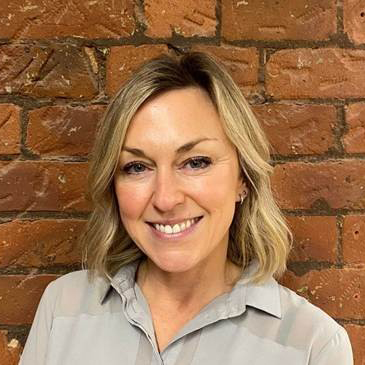
Viki is Head of Diversity, Equity and Inclusion (DEI) at Cundall, a leading international engineering consultancy, where she leads the firm’s global DEI and wellbeing strategy. A Chartered Member of the CIPD with over 20 years’ experience in HR and people development, she focuses on embedding inclusive, values-led practices that build trust and create psychologically safe, equitable workplaces through data-driven change and inclusive leadership. She is a passionate advocate for using storytelling as a tool to build empathy, challenge norms, amplify diverse voices, and inspire lasting cultural change. Viki works collaboratively to design inclusively, creating environments, systems, and cultures that work better for everyone.
We are delighted that Viki will be speaking on our “Designing Wellbeing with Inclusion in Mind” Leadership Panel as part of our Manchester Summit on 17th September. We caught up with her to see how she’s feeling in the run up to the summit:
Hi Viki, we are thrilled that you are joining us at the Wellbeing at Work Summit Manchester in September. Our first and most important question is, how are you doing today?
I’m doing really well, thank you. I’m excited to be part of this year’s Wellbeing at Work Summit. It’s my first time attending, but I’ve heard great things from a former colleague, so I was really pleased to be invited to contribute. Wellbeing is a topic I’m passionate about, and I’m looking forward to sharing experiences, learning from others, and being part of such an important conversation.
As a leader based in the region, what are the main challenges you are facing when it comes to employee wellbeing and mental health?
One of the biggest challenges is the level of pressure people are navigating, both inside and outside of work. In the construction industry, high workloads, tight deadlines, project pressures, client expectations, and skills shortages can all have a significant impact on wellbeing. Construction is also a predominantly male sector, where people may be less likely to talk openly about mental health. That makes it essential for leaders and managers to feel confident starting conversations, noticing when someone may be struggling, and knowing how to respond. From a DEI perspective, wellbeing and inclusion are closely connected. Different groups can experience different barriers or pressures, and wider geopolitical and economic uncertainty can add further complexity. My focus is on equipping managers, embedding wellbeing into everyday leadership, and creating an inclusive culture where people feel they belong, are heard, and can perform at their best.
What strategies have you seen developing over the past 6 months, both internally and externally, that are moving the dial on wellbeing in the workplace?
At Cundall, we’ve recognised that as a global business, a one-size-fits-all approach to wellbeing won’t work. We’re increasingly tailoring our activity to reflect the needs and cultures of teams across different regions, while maintaining a strong One Cundall culture. A key part of this has been strengthening employee voice through our employee networks, Cundall Communities, wellbeing advocates, and engagement champions. We’re also taking a more insight-led approach, using employee feedback and workforce data to understand needs and focus our efforts where they can have the greatest impact. Externally, I’m seeing a positive shift towards embedding wellbeing into leadership, culture, and inclusion, with more organisations recognising that wellbeing, belonging, and performance are deeply connected.
Why is employee wellbeing so important to you personally?
My passion for employee wellbeing comes from personal experience. I’ve worked for organisations that truly understood its importance, and I’ve also experienced workplaces that didn’t. Seeing the impact this has on individuals, teams and culture has shaped my belief that wellbeing isn’t a ‘nice to have’ – it’s fundamental. At the heart of it, we need to remember that people are people first. When individuals feel valued, included, supported and able to grow, they are far more likely to bring their best selves to work. Strong leadership, positive relationships, belonging and development don’t just improve wellbeing – they drive engagement, performance, and productivity. Work plays a huge role in our lives. It can provide purpose, learning, friendship, support networks, and a sense of community. I began working in wellbeing just before the COVID-19 pandemic, while working for a large manufacturing business. During that period, I saw key workers continuing production under immense pressure, office-based colleagues suddenly isolated at home, and teams coping with illness, loss, and bereavement. As everyone adapted to a completely new way of working, the importance of mental health, social connection, environment, and time in nature became impossible to ignore. I remember watching a news report that described mental health as the next pandemic, and I thought, “We’ve got to do more.” That moment really stayed with me. It strengthened my determination to champion wellbeing, challenge organisations to take it seriously, and keep it firmly on the business agenda. When we create workplaces where people can genuinely thrive, everyone benefits.
What impact is AI having in your organization and how are you managing that?
AI is creating exciting opportunities across our business, helping to improve efficiency, enhance productivity and support innovation. Our focus is on equipping employees with the skills and confidence to use AI responsibly, while maintaining a human-first approach. We’re investing in learning and development to help colleagues understand how AI can support their work, and we’re sharing best practice so teams can learn from each other. By combining AI with human expertise, judgement, and creativity, we can ensure technology enhances, rather than replaces, the value our people bring.
Other than AI, are there any challenges that you are seeing for the first time and how are you addressing them?
One of the biggest challenges is the pace and pressure of modern working life, and the impact this is having on employee wellbeing and workforce expectations. In consultancy, project pressures and client demands are part of the work, so wellbeing needs to be built into the everyday employee experience rather than treated as a separate initiative. We’re focused on giving managers practical skills to support their teams in a way that feels achievable and sustainable. Managing hybrid and globally connected teams also brings new challenges. As work-sharing across regions increases, cultural awareness and effective cross-cultural collaboration become even more important. At the same time, in a competitive talent market, our wellbeing and DEI strategies work together to create an inclusive culture where people feel they belong, can thrive, and choose to stay.
What areas do you think employers should be focused on over the next 12 months?
The key focus for employers should be moving wellbeing from a standalone programme to something embedded into everyday leadership, culture, and ways of working. That means continuing to listen to employees, understanding their changing needs, and using that insight to shape meaningful support. With ongoing challenges around the cost of living, access to healthcare and wider economic uncertainty, organisations need to ensure their benefits and wellbeing offerings provide practical support where it matters most. Flexibility will also remain critical, helping employees balance work and personal responsibilities in a way that enables them to perform at their best. At Cundall, this is reflected in our engagement survey results, where colleagues score us highly on feeling satisfied with their ability to work flexibly. Ultimately, employers should focus on creating environments where people feel supported, valued, and able to thrive, both professionally and personally.
Do you feel that investment in employee wellbeing in the region is increasing or decreasing and is that a direct reflection on HR leaders’ increasing ability to demonstrate effective returns of their strategies to leadership?
I believe investment in employee wellbeing is increasing, and HR leaders are becoming better at demonstrating its business impact. ESG frameworks and greater focus on human capital reporting have made wellbeing more tangible and measurable than in the past. By connecting engagement results with workforce metrics such as attraction, retention, absence, productivity, EAP utilisation and colleague diversity, organisations can better understand the value and return on investment of their wellbeing strategies. As a result, wellbeing is increasingly being seen not as a ‘nice to have’, but as a critical driver of organisational performance, talent retention, and sustainable business success.
How has your organisation been leading the way?
Cundall has a strong people-focused culture, and that was one of the things that attracted me to the organisation. There’s a real sense of trust and autonomy, with colleagues encouraged to be curious, innovative, and actively involved in the things that matter to them. That creates space for people to bring their authentic selves to work and helps make Cundall feel different. A good example is our approach to neuroinclusion. As an engineering consultancy, we recognise that many talented neurodivergent people are drawn to our profession. Since 2023, we’ve had a simple process that enables colleagues to request workplace adjustments, technology or equipment that helps them work at their best, such as noise-cancelling headphones and other productivity tools. The result has been improved focus, productivity, and employee experience, while creating a more consistent and accessible approach to support. For me, it’s a strong example of wellbeing and inclusion working together to help people and the business succeed.
Viki is speaking in Manchester as part of our Wellbeing at Work Summit UK 2026 which takes place in London and Manchester this September. Click the links below to find out more and book your tickets:
London Summit 15th September: Find out more and Book Your London Tickets Here
Manchester Summit 17th September: Find out more and Book Your Manchester Tickets Here