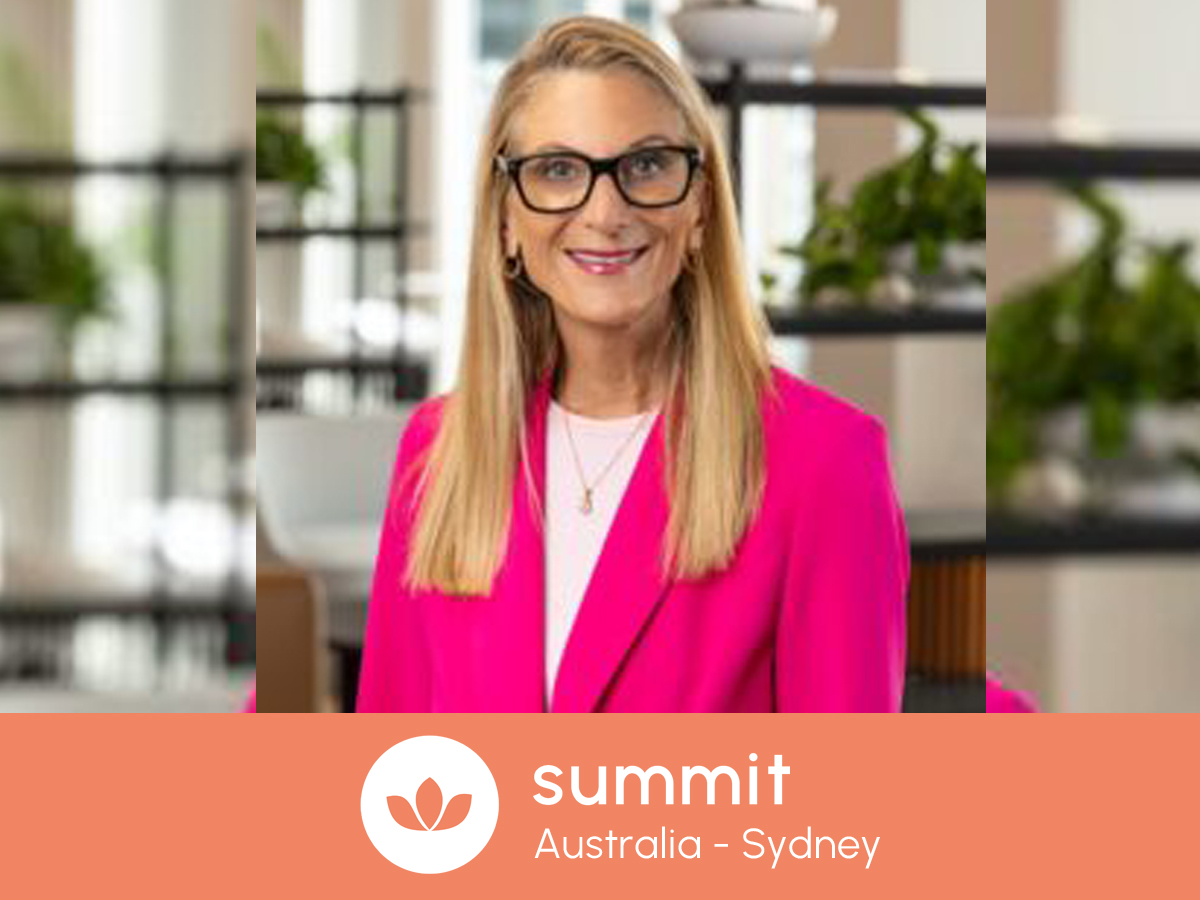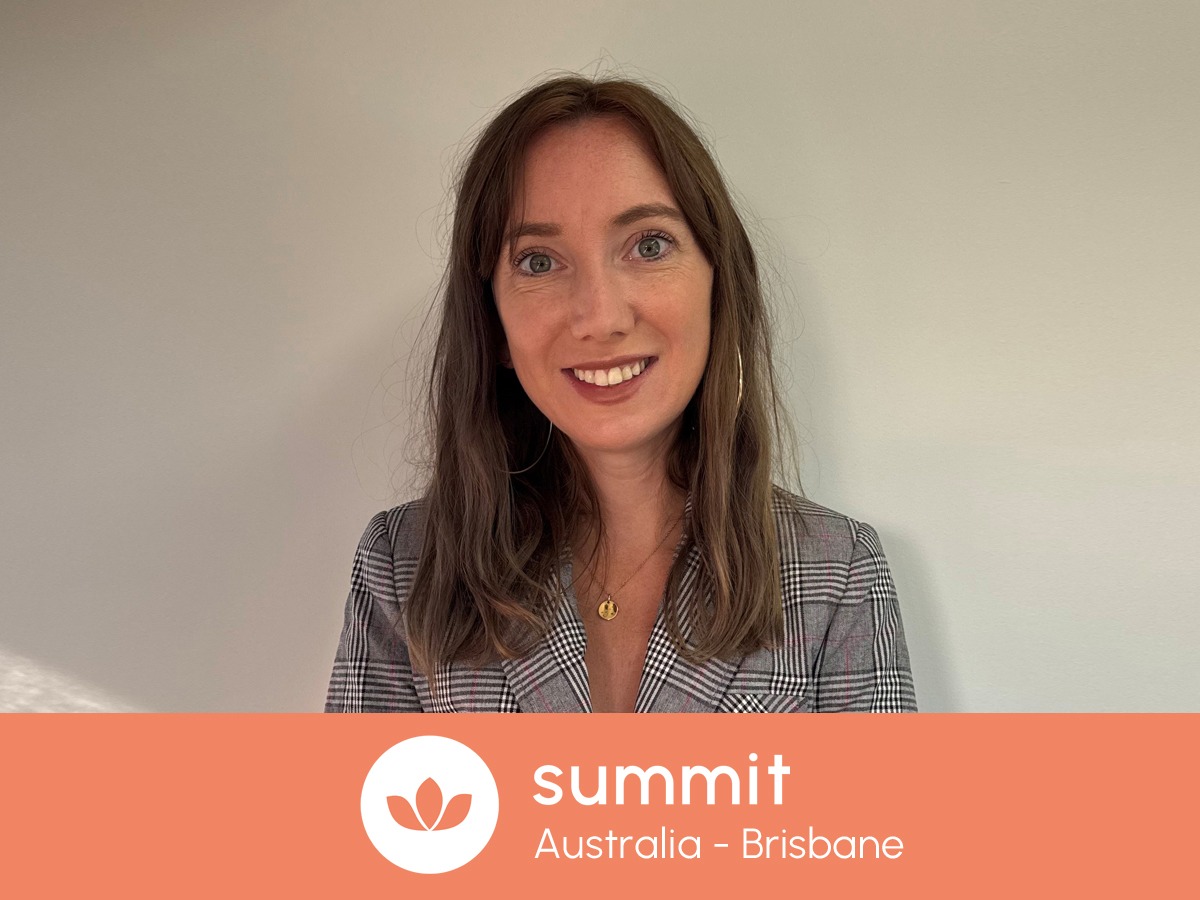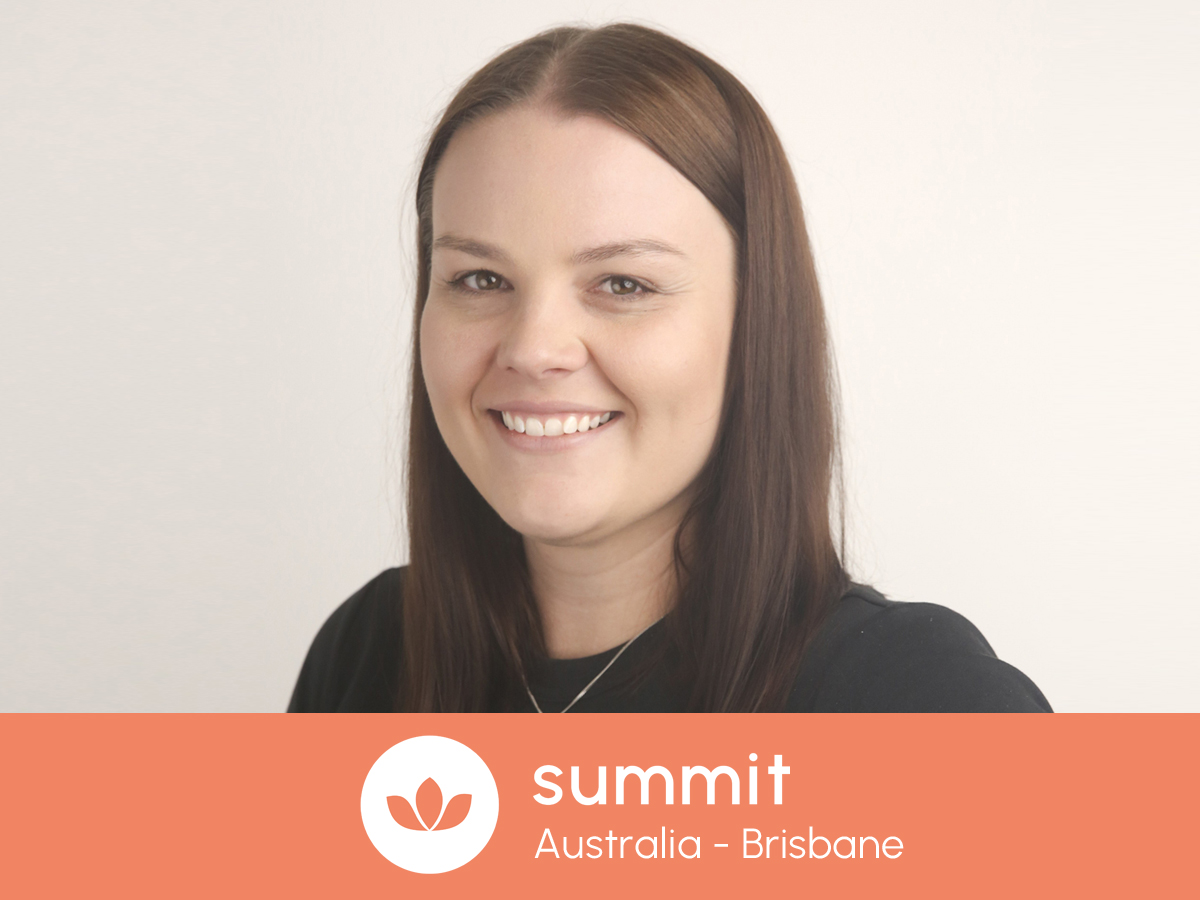
Shanyn has been working in strategic executive HR roles for over 20 years in global organisations spanning technology, financial services and education. Throughout her 20+ year career in Human Resources, Shanyn has developed expertise across all facets of the people function, including change management, culture development, high performance, remuneration and benefits, leadership development, coaching and performance management. Her specialisation is working in fast paced and high growth businesses, creating world class “employer of choice” work cultures, creating strategic people plans and applying practical solutions for organisations to thrive and achieve success through their people.
We are delighted that Shanyn will be speaking on our Melbourne afternoon panel: “Designing Wellbeing with Inclusion in Mind”. They will be exploring:
How do you deliver wellbeing that truly works across hybrid, multi-generational and neurodiverse workforces?
What does inclusivity mean for women’s wellbeing in the workplace?
What means are available to better accommodate those with disabilities at organizations today?
What can employers do to ensure true inclusion combines belongingness and the valuing of individual uniqueness?
What should be done about culture from the perspective of inter-generational workers?
How can organizations create non-discriminatory work processes and policies?
How do communities in organizations help create a culture of inclusion and thriving together?
We caught up with Shanyn to find out how she’s feeling in the runup to the summit:
Hi Shanyn, we are thrilled that you are joining us at the Wellbeing at Work Summit Australia in Melbourne this November. Our first and most important question is, how are you doing today?
Spent quality time under and above the water with friends and family over the weekend, so I am ready to start the week!
As a leader based in the region, what are the main challenges you are facing when it comes to employee wellbeing and mental health?
Cognitive overload; not only are we working in a fast paced and high growth environment, we are also working in a time with so much uncertainty. Add to that cost of living pressures and the general “busy-ness” of life and we are finding that people are tired and not in “thrive” mode.
What strategies have you seen developing over the past 6 months, both internally and externally, that are moving the dial on wellbeing in the workplace?
We have been really focused on giving our people clarity. We have done this through a very focused and clear company strategy and a concentrated effort on cascading this to our team and people goals. We have found that this has had the most positive impact on our people’s wellbeing; it gives them a degree of autonomy, control and permission to have “trade off” discussions.
Why is employee wellbeing so important to you personally?
My role is really all about high performance – creating the right environment where people can perform at their best. Wellbeing for us covers physical, mental and financial, and you do need balance across all of these areas. Like most Execs, I have had first hand experience of burnout and had to learn balance the hard way; I make it my mission for others to not have to go through this experience.
What impact is AI having in your organization and how are you managing that?
As a tech company, AI is central to our company strategy for our customers, as well as for internal performance. We have brought in some incredible capability, given all of our people access to a large range of AI tools and have created an award winning AI learning pathway. We have seen significant usage and uplift in individual productivity across the business, however like most organisations we are yet to see this productivity uplift at organisational level. We are managing this by going back to basics and ensuring that the right data, processes and structures are in place, before AI is overlayed on top.
Other than AI, are there any challenges that you are seeing for the first time and how are you addressing them?
We really are in such an unknown time, and we are moving at such pace; in the next 12 months we will really start to see this impact the way we have typically thought of organisation structure and design. How we organise work around roles and teams will completely change, yet there is no one perfect answer or way to approach this. As an exec team we are preparing for this change through learning about iterative organisational design, and how we can support our people through massive change and disruption.
What areas do you think employers should be focused on over the next 12 months?
The psychological impact of change; employers need to realise that the world of work is changing, and they need to upskill and prepare their teams for this.
Do you feel that investment in employee wellbeing in the region is increasing or decreasing and is that a direct reflection on HR leaders’ increasing ability to demonstrate effective returns of their strategies to leadership?
I feel that it is about the same, but the issue is that many are still addressing wellbeing in the same way – for example, through EAP programs that are reactive and haven’t changed their approach in 20 years. I do think many Exec teams out there are still hoping for a quick fix and are not investing the time and energy into addressing employee wellbeing in a meaningful way, which will ultimately result in poorer organisational performance.
How has your organisation been leading the way?
We approach wellbeing from several angles; at work, we upskill our leaders on how to support employee wellbeing, we provide clarity and focus to give people autonomy, we support their physical and mental wellbeing through offering programs such as C U Health, and financial wellbeing by partnering with Stamford Brown to provide financial counselling and planning.
Shanyn will be speaking in Melbourne as part of our Wellbeing at Work Summit Australia which take place this November in Sydney, Melbourne and Brisbane. Click the links below to find out more and book your tickets:
To find out more about our Sydney summit and book your tickets click here.
To find out more about our Melbourne summit and book your tickets click here.
To find out more about our Brisbane summit and book your tickets click here.