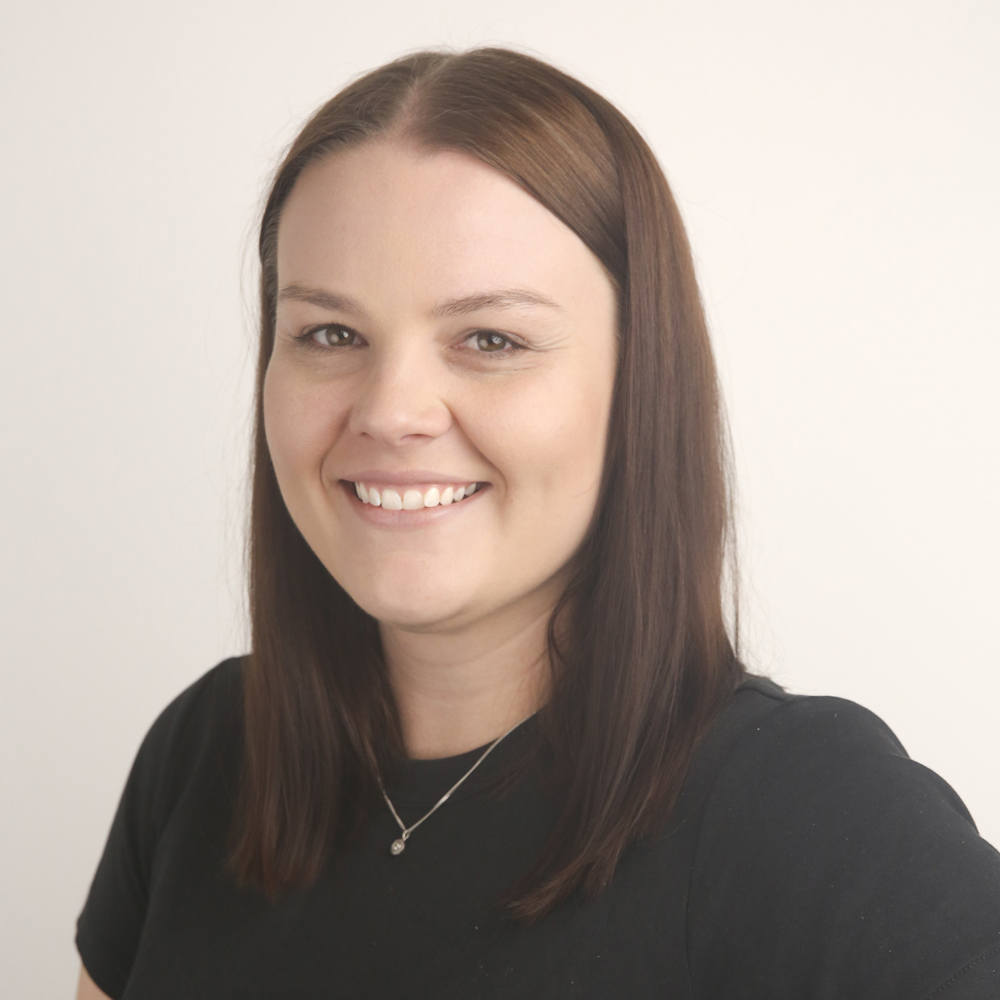
Annelies is a senior HR leader with over a decade of experience across retail, healthcare and the oil & gas sectors. As General Manager, People & Culture at the Global Group, she leads the people function to drive business performance, transformation and growth. She partners with leaders to build capability, strengthen culture and enable change across complex, operationally demanding environments, with Global operating as a largely fly-in/fly-out business with very remote workforce. Annelies is passionate about positioning the people function as a strategic enabler, supporting operational delivery while fostering purpose, resilience and agility.
We are delighted that Annelies will be participating in our afternoon panel in Brisbane this November “Designing Wellbeing with Inclusion in Mind”. The panel will be exploring:
How do you deliver wellbeing that truly works across hybrid, multi-generational and neurodiverse workforces?
What does inclusivity mean for women’s wellbeing in the workplace?
What means are available to better accommodate those with disabilities at organizations today?
What can employers do to ensure true inclusion combines belongingness and the valuing of individual uniqueness?
What should be done about culture from the perspective of inter-generational workers?
How can organizations create non-discriminatory work processes and policies?
How do communities in organizations help create a culture of inclusion and thriving together?
We caught up with Annelies to find out how she’s feeling in the runup to the summit:
Hi Annelies, we are thrilled that you are joining us at the Wellbeing at Work Summit Australia in Brisbane this November. Our first and most important question is, how are you doing today?
Genuinely great, thank you. I am incredibly grateful to have been asked to speak at the Summit and I can’t wait to take away some of learnings I know you always get at these events hearing from the many incredible speakers!
As a leader based in the region, what are the main challenges you are facing when it comes to employee wellbeing and mental health?
One area I am finding incredibly interesting is that most organisations are now sharing 5 generations of workers from Boomers to Gen Alpha. That is 5 definitions of what wellbeing means and what drives someones connection to an organisation. For some, that is flexibility, others job security or for others it is where their personal values align closely with the organisations values. So it goes without saying, that not one single wellbeing program can serve all 5 generations. The challenge, and I think most of us are working on it right now, is moving away from the status quo and getting to really understand who is in our workforce, what they need and how that changes across life’s stages.
What strategies have you seen developing over the past 6 months, both internally and externally, that are moving the dial on wellbeing in the workplace?
I think we have all seen a huge shift in the mental health space and I believe we have stopped treating mental health as a problem for the individual to fix and started better understand the influencing factors within the workplace. Psychosocial legislation and the right to disconnect have pushed that along, but what I find encouraging is organisations going beyond compliance and ticking a box. They are embedding these as real frameworks that genuinely support their people, rather than policies that sit in a folder.
Why is employee wellbeing so important to you personally?
We all know what it feels like to be at our best, and we also know what it feels like when we are not. That difference shapes everything… how we show up for our families, our teams and ourselves. So for me, putting the human back into employee wellbeing is non-negotiable.
In a FIFO environment like we are primarily at Global, that becomes very real. Our people spend significant time away from home, family and their usual support networks, so how we look after them isn’t a nice-to-have it is a must have.
What impact is AI having in your organization and how are you managing that?
We have probably not felt the full force of AI at Global but I do believe that it is doing two things at once. On one side, it is taking a lot of the repetitive admin work off people’s plates. On the other, it is raising a quiet anxiety: What does this mean for me, my role and my career?
In saying that, I believe every organisation including Global have a responsibility to get on the front foot, by being transparent about how AI will be used, involving people early and building their skills alongside the technology.
Other than AI, are there any challenges that you are seeing for the first time and how are you addressing them?
One that isn’t too dissimilar to what others are facing is the question of what role organisations play in financial wellbeing and what we can do that genuinely helps.
We can’t fix housing costs or interest rates. But we can offer financial wellbeing support, flexibility and a leader who really understands their people and is able to put support in place that fit for purpose. Coming back to the approach that one size doesn’t fit all. Everyone is at a different age and stage of life and we need to approach these challenges with that in mind.
What areas do you think employers should be focused on over the next 12 months?
I think two big areas for me over the next 12 months are:
- Job design over perks. People want to know what their career pathway can look like, how they get there, what the organisation can do to support them and what they can do that allows them to take control of their own pathway. We need to tackle this with transparency and total calrty so people stay longer and grow with the organisation.
- Leader empowerment. Our leaders are the most powerful tool any organisation has. They are a key reason people join, stay, leave and grow. So we need to give them the best tools, guidance and support so they can pass that on to their teams. How we do this is going to fundamental to what success looks like at an organisation.
Do you feel that investment in employee wellbeing in the region is increasing or decreasing and is that a direct reflection on HR leaders’ increasing ability to demonstrate effective returns of their strategies to leadership?
At Global, I am incredibly fortunate to have an Executive Leadership Team that sees and understands the value of investing in people. That is how it should be. HR professionals shouldn’t have to fight for that investment. The conversation should be about what the investment has done for the business and their people.
I know that is not the experience everywhere, but I believe the investment is shifting rather than simply rising or falling. I believe that generic perks we are probably all familiar are no longer cutting it. The way we should be viewing the spend in this area has to be based on how the business operates rather than one size fits all. That is where HR leaders are getting better data to show the impact of their programs back to their leadership teams.
How has your organisation been leading the way?
I will start by saying we are certainly not perfect and how we continue to grow in this space will always be a focus and an investment for us.
As a FIFO organisation, the wellbeing of our people has to be, and always will be, our first priority. The way our crew lead this on site reflects the culture they have built, and I am incredibly proud to be part of an organisation that values that.
We have done a significant piece of work on the new psychosocial legislation, understanding where our hazards are and what we can proactively do to reduce the risk. Rather than tick a box and say ‘assessed’, we have focused on actually addressing it, which is a real testament to our HSE team.
We also ask for feedback constantly. For every initiative, we ask our people: is this valuable, is it giving something back to you? We are not afraid to say, ‘we got that wrong.’ When something doesn’t hit the mark, we change it, remove it, reassess and start again. I think that willingness to learn out loud is what keeps wellbeing real
Annelies will be speaking in Brisbane as part of our Wellbeing at Work Summit Australia which take place this November in Sydney, Melbourne and Brisbane. Click the links below to find out more and book your tickets:
To find out more about our Sydney summit and book your tickets click here.
To find out more about our Melbourne summit and book your tickets click here.
To find out more about our Brisbane summit and book your tickets click here.