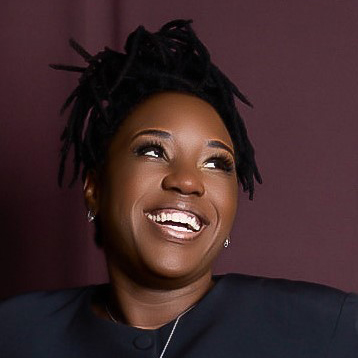
Natalie is the Senior Director of Education & Exhibits at Miami Children’s Museum, where she leads programs and partnerships that support children, families, educators, and the broader community. In her role, she oversees the Museum’s licensed and accredited early childhood preschool, community after-school programs, STEAM lab partnerships, and collaborative initiatives with the Early Learning Coalition, Head Start, and Miami-Dade County Public Schools. She also leads the development of educational frameworks aligned with the Museum’s strategic plan, advances research in museum education, and serves as liaison to the Miami Children’s Museum Charter School.
We are delighted that Natalie will be joining our Miami afternoon leadership panel entitled “Designing Wellbeing with Inclusion in Mind” where the pannelists will explore: How do you deliver wellbeing that truly works across hybrid, multi-generational and neurodiverse workforces? What does inclusivity mean for women’s wellbeing in the workplace? What means are available to better accommodate those with disabilities at organizations today? What can employers do to ensure true inclusion combines belongingness and the valuing of individual uniqueness? What should be done about culture from the perspective of inter-generational workers? How can organizations create non-discriminatory work processes and policies? How do communities in organizations help create a culture of inclusion and thriving together?
We caught up with Natalie to find out how she’s feeling in the runup to the summit:
Hi Natalie, we are thrilled that you are joining us at the Wellbeing at Work Summit in Miami this October. Our first and most important question is, how are you doing today?
I’m doing well, and I’m being intentional about what that means. I lead work that I love, and I also know that meaningful work can be demanding. I’m making space to pause, reflect, and stay connected to the people around me. That’s part of the wellbeing conversation I hope we can have honestly at the Summit.
As a leader based in the region, what are the main challenges you are facing when it comes to employee wellbeing and mental health?
In a children’s museum, many employees spend their day caring for children, families, and one another. Some also carry significant responsibilities outside work. The challenge is making sure the people providing that care have the time, support, and clarity they need themselves. In Miami, the cost of living and long commutes can add pressure. Wellbeing has to account for those realities, along with the everyday demands of the job.
What strategies have you seen developing over the past 6 months, both internally and externally, that are moving the dial on wellbeing in the workplace?
I’m seeing more useful conversations about workload, manager support, and whether people feel safe speaking honestly. In my own leadership, I’ve been focused on clearer expectations, earlier conversations when something is difficult, and giving people room to contribute to solutions. Small, consistent actions matter: following through, recognizing good work, and making it possible to ask for help before someone reaches a breaking point.
Why is employee wellbeing so important to you personally?
Because I know the difference it makes to feel seen and supported at work. As a leader, a mother, and someone who has worked in education for many years, I believe care should extend to the adults as well as the children. When I get something wrong, I want to own it, extend and receive grace, and make room for honest conversations and growth. The culture we create for our teams shapes what they can give to the families we serve.
What impact is AI having in your organization and how are you managing that?
AI is opening up possibilities for how we plan, communicate, and explore new learning experiences. At the museum, I’m particularly interested in what AI literacy can look like for young children and families through play. For employees, my focus is practical: helping people understand when a tool is useful, checking its work, protecting sensitive information, and keeping human judgment at the center. AI should create more room for thoughtful work, not add pressure to do everything faster.
Other than AI, are there any challenges that you are seeing for the first time and how are you addressing them?
I’m seeing how quickly people can become stretched across responsibilities that each matter deeply. A person may be responding to a child’s needs, meeting a deadline, supporting a colleague, and managing their own life all in the same day. I’m addressing that by looking more closely at priorities and capacity, and by asking where our systems create unnecessary strain. We also need to be willing to change a process when the people doing the work tell us it is not working.
What areas do you think employers should be focused on over the next 12 months?
I would focus on the daily experience of work: manageable expectations, strong managers, clear communication, and genuine opportunities for employees to be heard. Benefits and resources matter, but people also need to know what is expected of them, have the tools to succeed, and trust that raising a concern will lead to a constructive response. Employers should ask whether their practices make care possible on an ordinary Tuesday, not only during a wellbeing campaign.
Is investment in employee wellbeing in the region increasing or decreasing? Is that connected to HR leaders’ ability to show return?
I see growing attention to wellbeing, but attention and sustained investment are different things. Employers face real budget pressures, so HR leaders need to show what changes when people are better supported: retention, attendance, engagement, and the quality of service. Those measures can help make the case. Leadership also has to recognize that some of the most important outcomes, such as trust and a sense of belonging, take time to build.
How has your organization been leading the way?
Miami Children’s Museum’s work reaches beyond our galleries into early childhood education, afterschool programs, the arts, and community partnerships. That gives us a responsibility to think about care across many kinds of roles and work settings. I’m proud of the opportunities we create for children and families, and I believe we must bring the same intention to the people who make that work possible. For me, leading the way means listening to our teams, acting on what we learn, and building a workplace where people feel seen, supported, and set up for success.
Natalie will be speaking in Miami this October as part of our Wellbeing at Work Summit US. Click the link below to find out more and book your tickets:
https://wellbeingatwork.world/summit/wellbeing-at-work-summit-us-2026-miami/