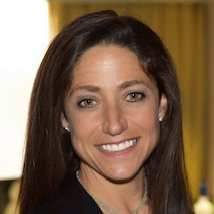
Elyse coaches individuals, leaders, teams and organizations on how to be more effective in their communication, productivity and relationships as well as improving their overall results. Her passion is developing others through coaching, training, inspiration and facilitation. Some of the companies she has worked with over her career include: Dell, Baptist Health South Florida, Salesforce Citibank, Club Med, Royal Caribbean, Salesforce, Carnegie Mellon and Florida International University.
We are delighted that Elyse will be delivering our afternoon Masterclass “The Role of Learning in Boosting Wellbeing in an Ever-Changing Environment”, She will explore:
- How do organizations provide employees with the skills needed to meet the ever-changing needs of their companies?
- Developing a culture of learning and development to enable employees to manage rapidly changing working conditions
- Ensuring learning and development provides resilience to employees
- What can organizations do now to ensure remote workers have the same access to learning opportunities?
We caught up with Elyse to find out how she’s feeling in the runup to the summit:
Hi Elyse , we are thrilled that you are joining us at the Wellbeing at Work Summit in Miami this October. Our first and most important question is, how are you doing today?
I’m doing well, thank you! I’m excited to be part of this conversation because workplace wellbeing is something I care deeply about. I think it’s important that we create space for honest conversations about how we’re really doing, not just how we’re performing.
As a leader based in the region, what are the main challenges you are facing when it comes to employee wellbeing and mental health?
I think one of the biggest challenges is the pace and volume of change people are navigating. We’re asking employees to continuously adapt, deliver results, and manage competing priorities, often without enough time to pause and recharge.
Our leaders are experiencing that pressure, too. They’re expected to support their teams while managing their own demands and uncertainty.
I think we need to move beyond asking people to be more resilient and look at the environments we’re creating. How are we developing our leaders? Are expectations realistic? Do people feel safe speaking up when they’re struggling? Wellbeing isn’t just an individual responsibility; it’s also an organizational one.
What strategies have you seen developing over the past 6 months, both internally and externally, that are moving the dial on wellbeing in the workplace?
I think there’s an important shift happening from treating wellbeing as a standalone initiative to embedding it into the everyday employee experience.
That means equipping leaders to have better conversations, strengthening emotional intelligence, creating psychologically safe environments, and helping managers recognize when their teams may be struggling.
Coaching can play an important role here because it gives leaders space to reflect, build self-awareness, and consider how their behaviors affect others.
Ultimately, wellbeing is shaped by what happens every day at work: how leaders communicate, how decisions are made, whether people feel valued, and whether they have the support they need. That’s where I believe we have the greatest opportunity to make a lasting difference.
Why is employee wellbeing so important to you personally?
For me, it comes down to human potential. Throughout my career in leadership development and coaching, I’ve seen what people can accomplish when they feel supported, valued, and empowered to grow.
I’ve also seen how difficult it can be for people to bring their best selves to work when they’re overwhelmed, disconnected, or operating in survival mode.
I believe we have a responsibility to create environments where people don’t simply show up and get through the day, but where they can learn, contribute, and thrive. When we take care of the people, we’re also strengthening the organization.
What impact is AI having in your organization and how are you managing that?
AI is changing how we think about work, productivity, and the skills people will need in the future. There are real opportunities to simplify processes, reduce administrative burdens, and give people more time for work that requires human judgment, creativity, and connection.
At the same time, we can’t overlook the uncertainty that comes with these changes. People may be wondering how their roles will evolve, whether their skills will remain relevant, and what this means for their future.
I believe leaders have an important responsibility to communicate openly, help people build new capabilities, and bring employees into the change rather than simply announcing it to them.
Technology may change how we work, but leadership, trust, empathy, and human connection remain essential. We need to make sure that as we embrace AI, we don’t lose sight of the people behind the work.
Other than AI, are there any challenges that you are seeing for the first time and how are you addressing them?
One challenge that stands out to me is the cumulative effect of constant change. Change itself isn’t new, but the frequency and the number of changes people are expected to absorb can be exhausting.
Leaders are managing shifting priorities, evolving expectations, talent challenges, and the emotional needs of their teams, often all at once.
I think we need to be more intentional about how we lead people through that uncertainty. That means creating clarity, communicating what we know and what we don’t know, listening to employees, and helping people focus on what matters most.
Sometimes, supporting wellbeing isn’t about introducing another program. It’s about simplifying, prioritizing, and recognizing what people are already carrying.
What areas do you think employers should be focused on over the next 12 months?
I’d focus on three areas.
First, leadership capability. We need to equip leaders to have meaningful conversations, recognize the signs of stress, build trust, and lead with both accountability and empathy.
Second, the work environment itself. We need to look at workload, role clarity, flexibility, connection, and whether our organizational practices support sustainable performance.
Third, measurement. We need to understand whether our efforts are making a meaningful difference, looking beyond participation rates to outcomes such as engagement, retention, absenteeism, and how supported employees feel.
I would also emphasize the importance of developing leaders who can navigate uncertainty without transferring all that pressure to their teams.
Ultimately, I believe the opportunity is to create workplaces where wellbeing and performance reinforce each other, rather than treating them as competing priorities.
Do you feel that investment in employee wellbeing in the region is increasing or decreasing and is that a direct reflection on HR leaders’ increasing ability to demonstrate effective returns of their strategies to leadership?
I think the conversation around wellbeing is becoming increasingly connected to business outcomes. Leaders want to understand not only what we’re investing in, but what difference those investments are making.
And I think that’s a positive development. HR leaders need to be able to connect wellbeing initiatives to outcomes such as retention, engagement, absence, and sustainable performance.
At the same time, wellbeing is complex. The impact of a coaching program or a leadership initiative may not show up immediately, and we need to be thoughtful about how we measure and attribute results.
I also believe we need to recognize the human impact, not just the financial return. Are leaders better equipped to support their teams? Do employees feel heard and valued? Are we creating conditions in which people can perform well without compromising their wellbeing?
The strongest business case brings those two perspectives together. Taking care of people and achieving business results should not be viewed as opposing goals.
How has your organization been leading the way?
At Memorial Healthcare System, my work in Learning and Organizational Development gives me the opportunity to support leaders through leadership development, executive coaching, and team effectiveness.
I see these as important contributors to workplace wellbeing because leadership behavior has such a significant influence on the employee experience.
When leaders develop greater self-awareness, communicate more effectively, build trust, and learn to navigate difficult conversations, they can create healthier and more effective working environments.
Through coaching, leaders also have dedicated space to reflect, work through challenges, and become more intentional about their impact on others.
For me, this is an important part of the bigger picture. Wellbeing isn’t just about helping people manage stress after it occurs. It’s also about developing leaders and creating workplace cultures where people feel supported, connected, and able to do their best work.
Closing thought…
As the world of work continues to change, I think we need to ask ourselves an important question:
**Are we simply preparing people to keep up with change, or are we equipping them to thrive through it?**
Because ultimately, the goal shouldn’t just be to help people get through the demands of work. It should be to create the conditions in which people and organizations can thrive together.
Elyse will be speaking in Miami this October as part of our Wellbeing at Work Summit US. Click the link below to find out more and book your tickets:
https://wellbeingatwork.world/summit/wellbeing-at-work-summit-us-2026-miami/