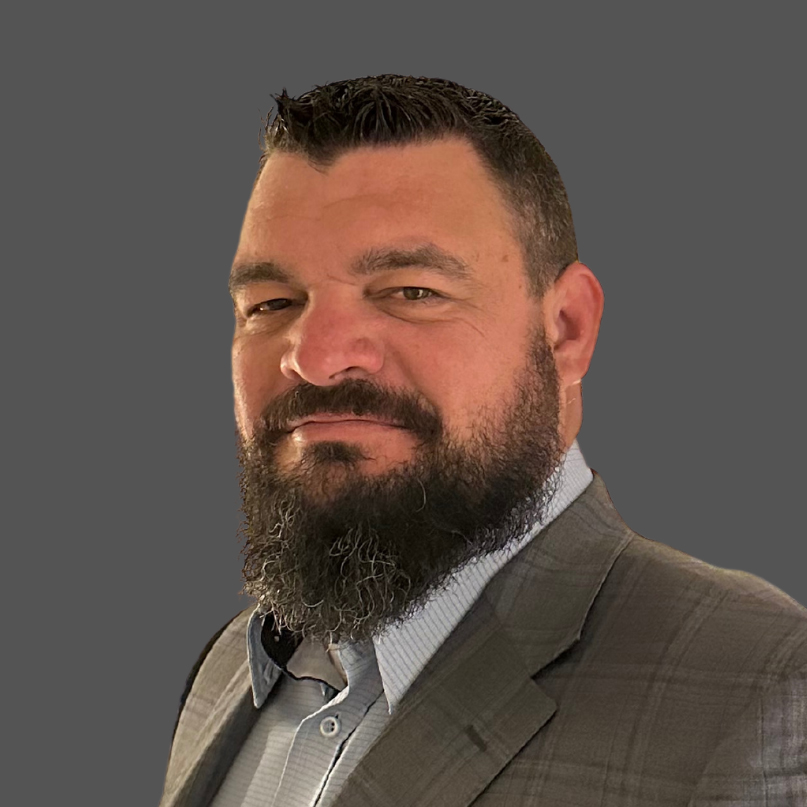
Daniel Radabaugh is a 12-year U.S. Army veteran whose commitment to mental health awareness and suicide prevention has shaped both his personal efforts and his career in the Energy Sector.
He has become a valuable resource in the oil and gas industry, holding leadership roles such as Chief Strategy Officer, Director of Corporate Strategy, and Vice President of Business Development.
We are delighted that Daniel will be speaking in Austin as part of our Wellbeing at Work Summit US this March. We caught up with him to see how he’s feeling in the runup to the event.
Hi Daniel, we are thrilled that you will be joining us at the Wellbeing at Work Summit US in March. Our first and most important question is, how are you doing today?
I’m doing well, and I appreciate the opportunity to be part of this event. It’s an important topic, and I’m glad to contribute!
As a leader based in the region, what are the main challenges you are facing when it comes to employee wellbeing and mental health?
The biggest challenge is uncertainty. In oil and gas, workload and job stability can change quickly with market conditions. Long hours and time away from family add to that strain. As leaders, it’s important to stay present, communicate clearly, and make sure people know they’re supported.
What strategies have you seen developing over the past 6 months, both internally and externally, that are moving the dial on wellbeing in the workplace?
I’ve seen more focus on leadership engagement. Regular conversations, mentorship, and stronger frontline leadership are making a difference. People want clarity, support, and to know someone is invested in their future.
Why is employee wellbeing so important to you personally?
Because everything depends on your people. During my time serving in the Army, I quickly learned that trust and knowing the person next to you makes all the difference. The same applies in oil and gas. When employees feel supported, they perform better, make better decisions, and take real ownership of their work. Strong teams are built on trust.
What impact is AI having in your organization and how are you managing that?
It’s helping us work more efficiently, especially with planning and data. We’ve focused on helping our teams understand it’s a tool to support them, not replace them. Experience and leadership still matter.
Other than AI, are there any challenges that you are seeing for the first time and how are you addressing them?
Attracting and keeping quality employees in oil and gas is a challenge. People want growth and strong leadership. We’re addressing that through mentorship, development, and staying engaged with our teams.
What areas do you think employers should be focused on over the next 12 months?
Leadership development and communication. Strong leaders and clear direction provide stability, especially during uncertain times.
Do you feel that investment in employee wellbeing in the region is increasing or decreasing and is that a direct reflection on HR leaders’ increasing ability to demonstrate effective returns of their strategies to leadership?
Investment is increasing because the results are clear. When employees feel supported, retention and performance improve. Leadership is recognizing the value of that.
Daniel is speaking in Austin as part of our Wellbeing at Work Summit US 2026 which takes place in New York and Austin this March, followed by Chicago and Los Angeles in May. Click the links below to find out more and book your tickets:
March 3 – New York – Click here to find out more and book
March 5 – Austin, TX – Click here to find out more and book
May 5 – Chicago – Click here to find out more and book
May 7 – Los Angeles – Click here to find out more and book