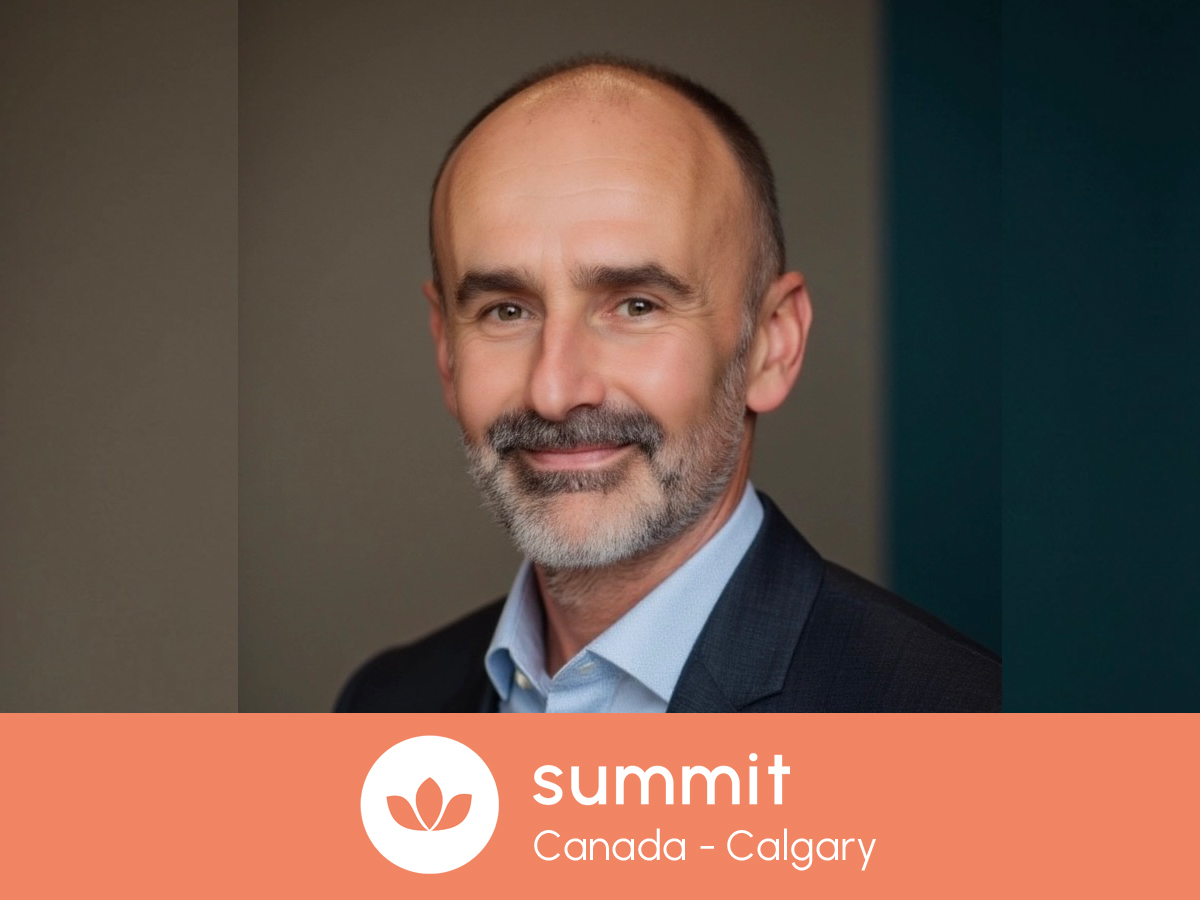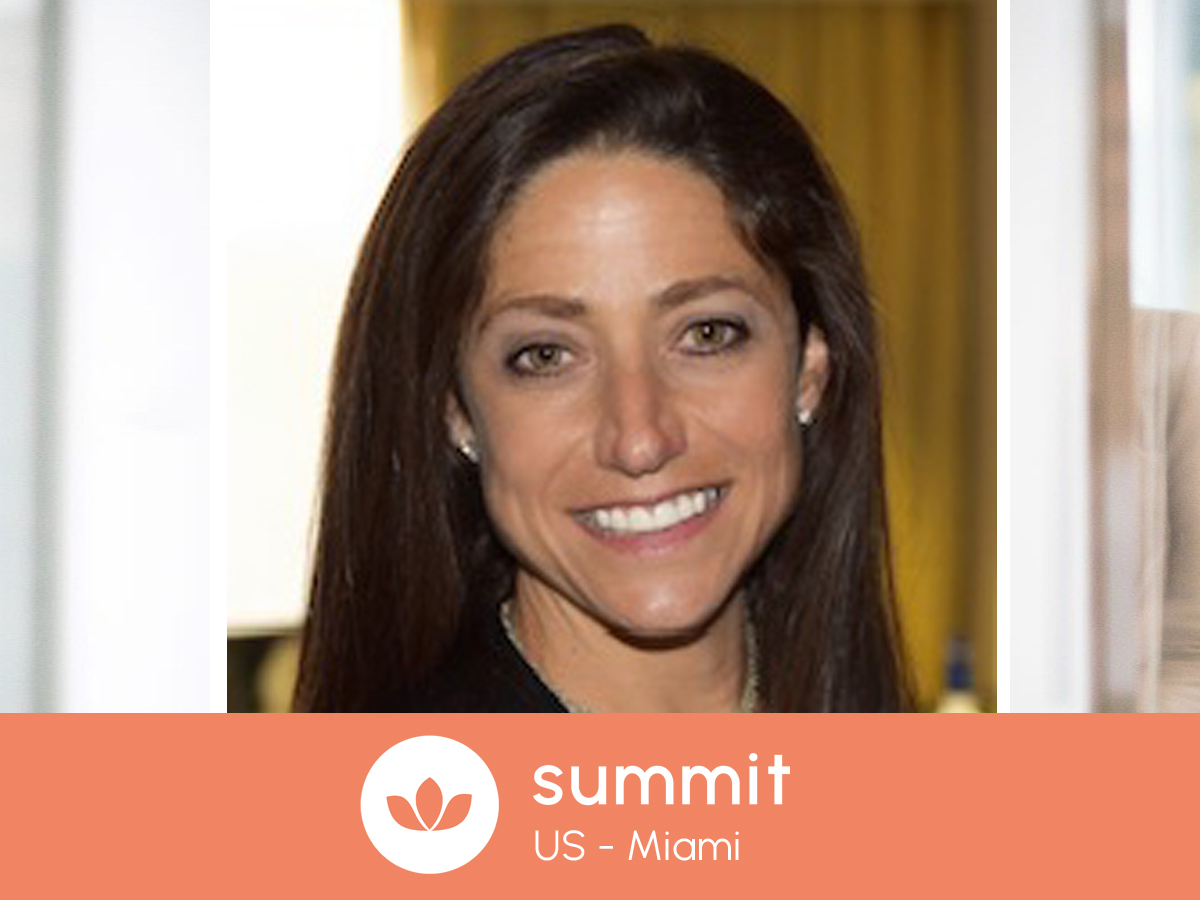
Betsy drives the advancement of mental health by working with organizations and philanthropists to build or expand their capacity to grow evidence-based mental health services. Her exemplary career enables her to facilitate scaling an organizational infrastructure to bring initiatives and public policy into action and to expand their programs. This includes assessment of human and financial resources, design options and business models and culminates in optimal strategies. External strategy includes the exploration of partnerships, influencer support, and revenue sources.
We are delighted that Betsy will be speaking in Austin, TX as part of our Wellbeing at Work Summit US this March. We caught up with her to see how she’s feeling in the runup to the event.
Hi Betsy, we are thrilled that you will be joining us at the Wellbeing at Work Summit US in March. Our first and most important question is, how are you doing today?
I’m doing well—glad to see the snow melting and warmer weather on the horizon. I’m also energized by the work I get to do every day, supporting employers in creating environments where wellbeing is genuinely embedded and people can thrive.
As a leader based in the region, what are the main challenges you are facing when it comes to employee wellbeing and mental health?
We are living in a time of significant uncertainty, which makes mental health more important than ever. Yet many employers continue to struggle with addressing the underlying workplace culture that directly impacts wellbeing, engagement, and productivity. Without tackling culture, wellbeing efforts risk becoming surface-level rather than transformational.
What strategies have you seen developing over the past 6 months, both internally and externally, that are moving the dial on wellbeing in the workplace?
Traditionally, ROI has been the dominant way organizations measure effectiveness. Over the past six months, I’ve seen a meaningful shift toward “Return on Value” (ROV). ROV looks at the bigger picture—indicators such as employee retention, trust, engagement, and non-traditional measures of productivity and profit. This broader lens better reflects the true impact of wellbeing initiatives.
Why is employee wellbeing so important to you personally?
I have dedicated my career to supporting people’s ability to maximize their potential and flourish in ways that are meaningful to them. Wellbeing is the foundation of everything. It is okay to say you are not okay. Workplaces play a critical role—not only in normalizing mental health challenges, but in actively offering support.
What impact is AI having in your organization and how are you managing that?
Historically, leaders were measured by their ability to drive efficiency, scale, and shareholder value. With the rise of artificial intelligence, that reality has changed. Organizations can now optimize processes, predict trends, and manage systems with unprecedented precision.
The true differentiator in this emerging economy—the real scarcity—is no longer computational intelligence, but human intelligence. Empathy, ethical judgment, contextual reasoning, and moral courage are qualities machines cannot replicate and markets cannot automate. Our focus is ensuring AI enhances human capability rather than replacing it.
Other than AI, are there any challenges that you are seeing for the first time and how are you addressing them?
One emerging challenge is the growing disconnect between organizational expectations and employee capacity. Burnout, change fatigue, and emotional exhaustion are showing up in new ways. We are addressing this by helping leaders build psychological safety, strengthen communication, and intentionally design work that is sustainable—not just productive.
What areas do you think employers should be focused on over the next 12 months?
Employers should focus on strengthening trust, engagement, and clarity during uncertainty. Employees want to do the right thing, but they need support, transparency, and recognition. Deliberate strategies that prioritize meaningful engagement, flexibility, and wellbeing will have a measurable impact on loyalty and performance.
Do you feel that investment in employee wellbeing in the region is increasing or decreasing and is that a direct reflection on HR leaders’ increasing ability to demonstrate effective returns of their strategies to leadership?
It varies by industry. In some sectors, cost containment is driving decision-making, which has increased demand for evidence-based programs. Organizations are prioritizing initiatives like Notice, Talk, Act at Work that equip employees with practical skills and demonstrate measurable impact. This reflects HR leaders’ growing ability to connect wellbeing strategies to outcomes leadership cares about.
How has your organization been leading the way?
Our organization leads by focusing on culture first and grounding wellbeing in evidence-based practices. We partner with employers to move beyond awareness toward action—equipping leaders and employees with the skills, language, and confidence to support mental health at work. By measuring Return on Value and prioritizing human intelligence, we help organizations create environments where both people and performance can flourish.
Betsy is speaking in Austin, TX as part of our Wellbeing at Work Summit US 2026 which takes place in New York and Austin this March, followed by Chicago and Los Angeles in May. Click the links below to find out more and book your tickets:
March 3 – New York – Click here to find out more and book
March 5 – Austin, TX – Click here to find out more and book
May 5 – Chicago – Click here to find out more and book
May 7 – Los Angeles – Click here to find out more and book