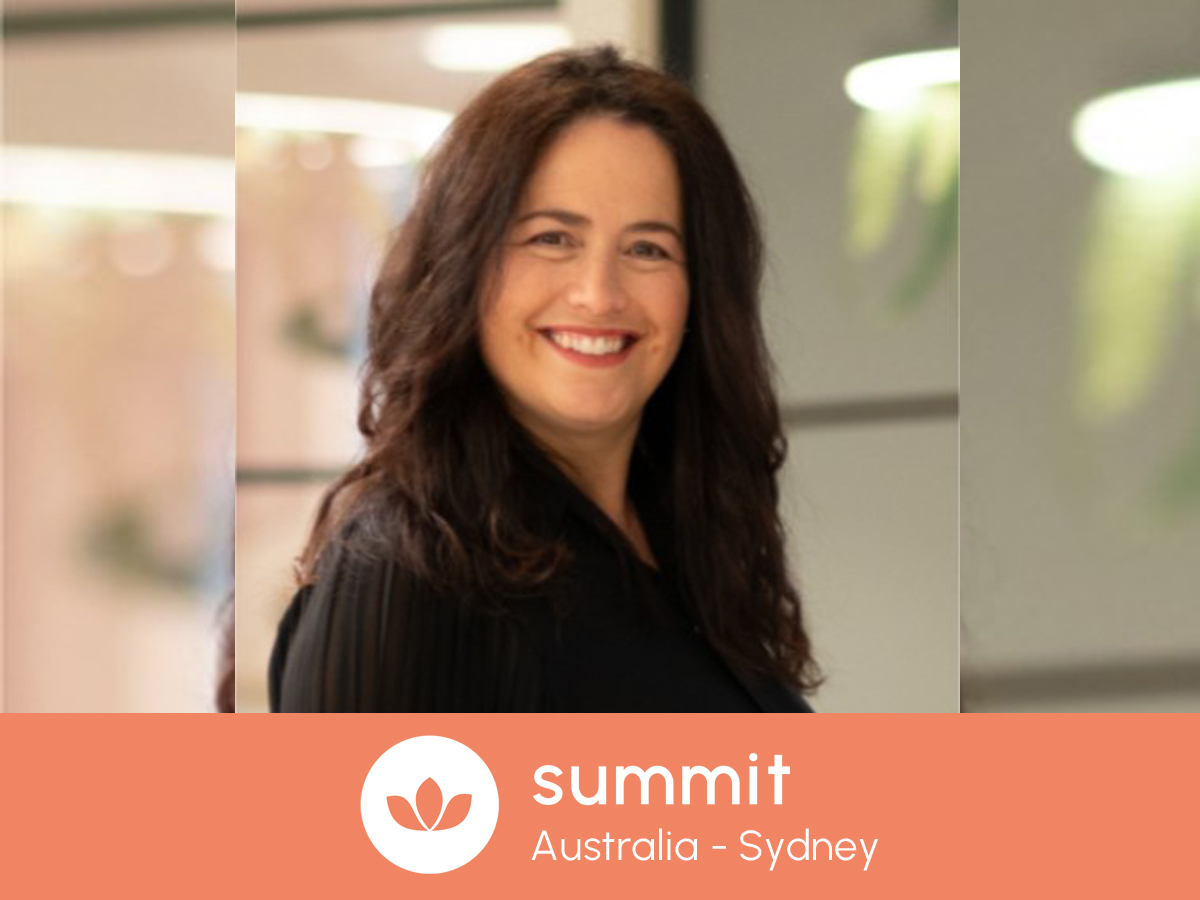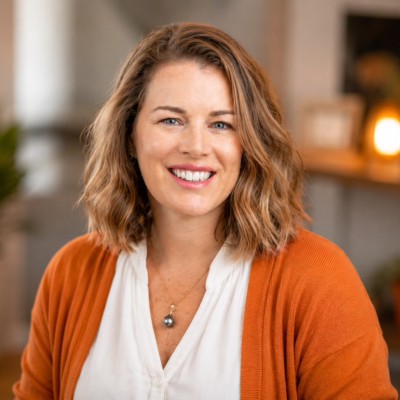
We are thrilled that Nicole will be speaking at our Wellbeing at Work Summit in Sydney next week where she will be hosting our afternoon masterclass: “Neurodiversity at Work: Creating Inclusive and Thriving Workplaces”. This will include practical approaches to neuro-inclusion that support wellbeing, engagement and performance, and will explore:
- What is the hidden cost of exclusion?
- How masking, workplace expectations and psychological safety impact wellbeing.
- Why going beyond diagnosis helps recognising individual strengths, communication styles and working preferences.
- What small changes can have big impacts – practical strategies for creating more neuro-inclusive workplaces.
We’re really looking forward to hear what Nicole has to say at the summit and caught up with her to find out how she’s feeling in the runup to the event:
Hi Nicole, we are thrilled that you are joining us at the Wellbeing at Work Summit Australia in Sydney next week. As a leader based in the region, what are the main challenges you are facing when it comes to employee wellbeing and mental health?
I think one of the biggest challenges is the disconnect between an organisation’s commitment to employee wellbeing and what people actually experience day to day.
We need to stop treating wellbeing as a standalone initiative and start considering it across the entire employee lifecycle, from recruitment and onboarding through to performance, career development and progression.
A significant part of this is leadership capability. We can’t continue to expect managers to lead increasingly diverse workforces effectively without investing in the skills and confidence they need to do so.
What strategies have you seen developing over the past 6 months, both internally and externally, that are moving the dial on wellbeing in the workplace?
One of the most encouraging shifts I’m seeing is organisations moving beyond awareness and towards building practical leadership capability.
Managers need to understand individual communication preferences, working styles, motivations and strengths. I’m particularly passionate about developing what I call “conversational literacy”, giving managers the confidence and skills to have meaningful conversations that build trust, identify barriers and help individuals perform at their best.
Why is employee wellbeing so important to you personally?
Having spent more than 25 years working across education, healthcare and corporate workplace inclusion, I’ve seen firsthand how profoundly our environments influence wellbeing, confidence and an individual’s ability to succeed. Too often, we focus on what individuals need to change rather than questioning whether our systems, expectations and leadership practices are creating unnecessary barriers.
What impact is AI having in your organization and how are you managing that?
AI presents some fantastic opportunities to improve accessibility and remove workplace barriers, particularly for neurodivergent employees.We’re seeing its potential to support executive functioning, communication, information processing and task management, allowing individuals greater autonomy in how they work.
However, implementation needs to be thoughtful. Digital confidence, accessibility needs and individual preferences vary, so organisations need to ensure AI enhances people’s capabilities rather than creating another set of expectations that everyone must adapt to.
Other than AI, are there any challenges that you are seeing for the first time and how are you addressing them?
One significant shift is the growing number of adults recognising their neurodivergence later in life, which is prompting important conversations around identity, disclosure and workplace support. We’re also seeing a greater focus on equitable career development and progression. It’s not enough to recruit diverse talent if our performance assessments, leadership expectations and promotion processes continue to favour particular communication or working styles.
Organisations need to look critically at whether their systems genuinely recognise and reward different strengths.
What areas do you think employers should be focused on over the next 12 months?
I’d love to see organisations focusing on three things.
Firstly, building the capability of managers and leaders. We know that someone’s relationship with their manager can have an enormous impact on their wellbeing and experience at work. Giving managers practical tools to lead diverse teams is incredibly important.
Secondly, moving from awareness to action. We’ve spent a lot of time raising awareness of mental health, diversity and inclusion. Now we need to make sure that awareness is translating into meaningful changes in how work is designed and experienced.
And thirdly, creating workplaces that recognise individual differences. Rather than expecting everyone to work, communicate and process information in the same way, we need to build more flexibility into our systems and practices.
I think if organisations can make progress in those three areas, they’ll see benefits not just for neurodivergent employees, but across their entire workforce.
How has your organisation been leading the way?
At Xceptional Academy, our focus is very much on helping organisations move from understanding neurodiversity to actually creating neuro-inclusive workplaces.
We’ve worked with organisations across a range of industries delivering training, coaching and advisory services.
One of the things we’re particularly passionate about is making neuro-inclusion practical. It’s not about giving people more information and hoping they’ll know what to do with it. It’s about building the confidence and capability of managers and teams to make meaningful changes in everyday workplace practices.
We also recognise that genuine inclusion requires more than individual adjustments. It means looking at the systems, processes and workplace cultures that can unintentionally create barriers.
For me, the most rewarding part of our work is seeing that shift in thinking, when organisations move from asking, “How do we support this individual?” to “How can we design our workplace so that more people can succeed?”
Nicole will be speaking in Sydney as part of our Wellbeing at Work Summit Australia which take place this November in Sydney, Melbourne and Brisbane. Click the links below to find out more and book your tickets:
To find out more about our Sydney summit and book your tickets click here.
To find out more about our Melbourne summit and book your tickets click here.
To find out more about our Brisbane summit and book your tickets click here.