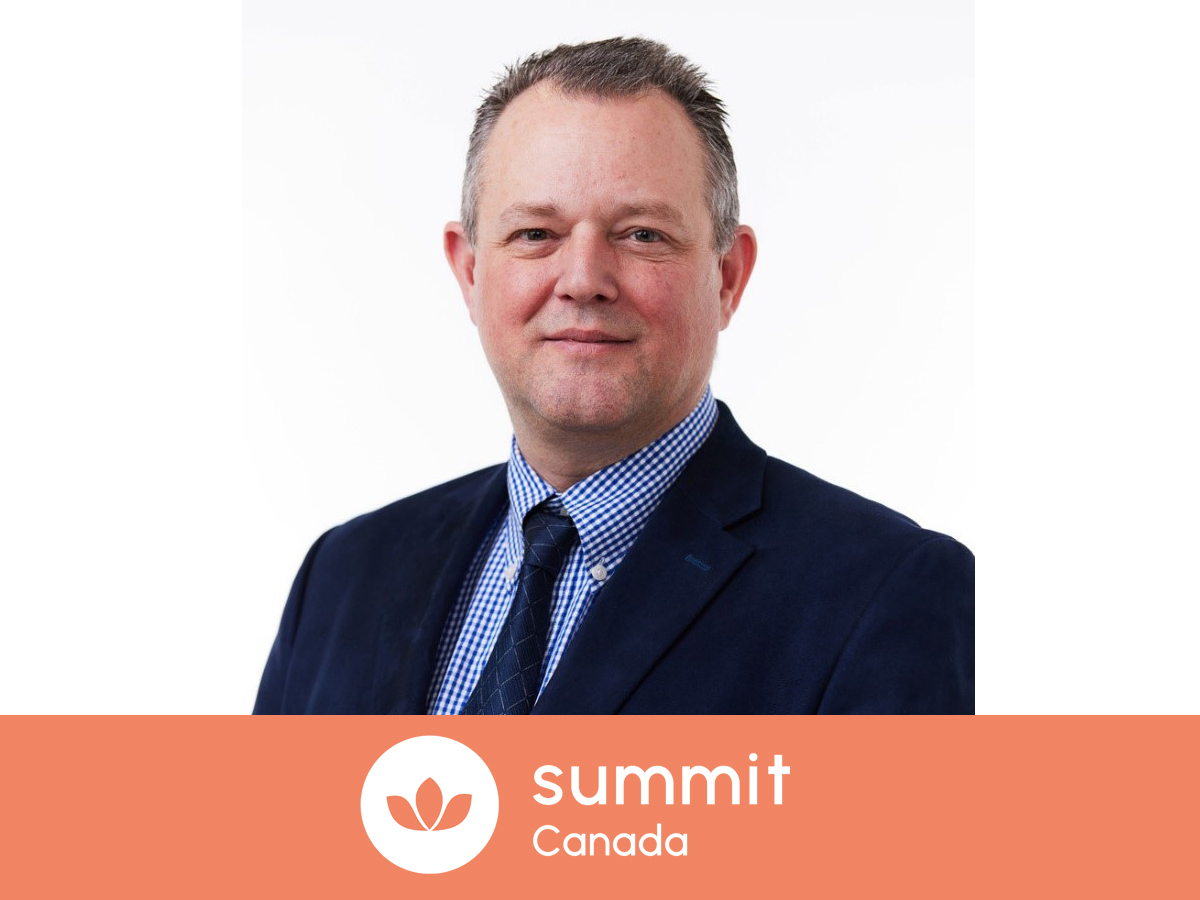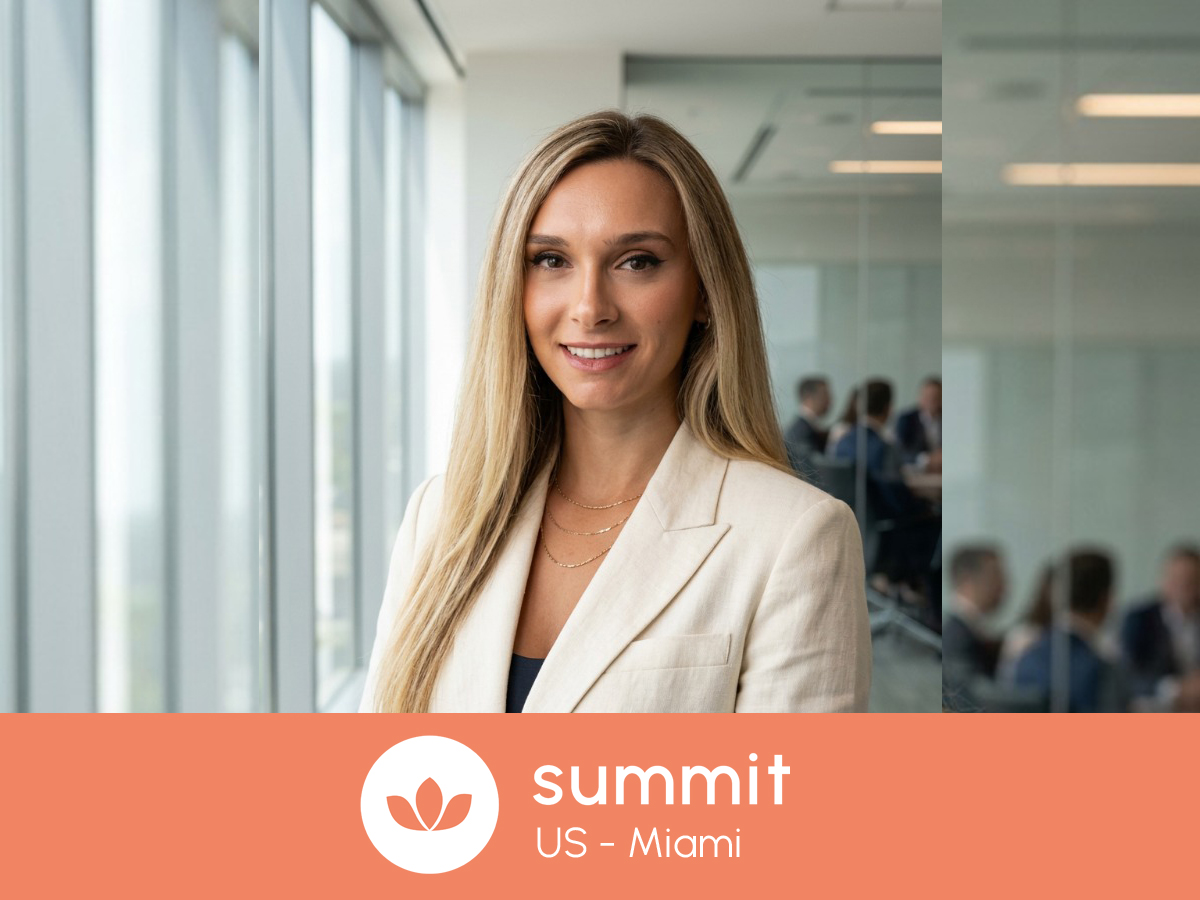
Katie is Head of HR Canada at Wipro and a Chartered Professional in Human Resources (CPHR) with extensive experience in HR leadership, employee experience, workforce transformation, and regulatory compliance. Katie leads the Canadian HR function and is passionate about leveraging AI and digital innovation to improve productivity, enhance employee experience, and transform how HR services are delivered. She has been instrumental in driving AI-enabled HR initiatives, including the implementation of People First and HR Bot solutions, helping modernize HR operations across Canada.
We are delighted that Katie will be joining our afternoon panel in Calgary later this month where they will be discussing “Designing Wellbeing With Equity in Mind“. They will be explore:
How do you deliver wellbeing that truly works across hybrid, multi-generational and neurodiverse workforces?
Why are some wellbeing strategies failing to land with today’s workforce?
Where are the biggest gaps in equitable wellbeing outcomes—and what will it take to close them?
How must wellbeing evolve to respond to the uneven impact of AI, automation, and shifting workloads?
We caught up with Katie to find out how she’s feeling in the run up to the summit:
Hi Katie, we are thrilled that you are joining us at the Wellbeing at Work Summit in Calgary this October. Our first and most important question is, how are you doing today?
I am doing well, thank you. It has been a very full period, but also a rewarding one. We have just completed several major employee, community, and wellbeing initiatives across Canada, so I am feeling energized by what our teams have achieved and reflective about what we have learned.
I also try to answer this question honestly because leaders set the tone. If we want employees to speak openly about their wellbeing, leaders need to demonstrate that it is acceptable to pause, take stock, and acknowledge when things are demanding.
As a leader based in the region, what are the main challenges you are facing when it comes to employee wellbeing and mental health?
The most significant challenge is that the sources of strain are increasingly structural. Workload, constant change, employment uncertainty, financial pressure, technology disruption, and limited connection with managers cannot be solved by simply offering another wellness webinar.
In Canada, our employee feedback shows strong motivation and pride, but it also identifies gaps in leadership connection, recognition, workload clarity, career progression, compensation, and access to practical support. Employees embedded at client locations can also feel disconnected from their employer and colleagues.
The challenge for employers is to recognize when a wellbeing issue is actually an operating-model issue. If the workload, role design, technology, or management environment is creating the problem, asking the employee to become more resilient is not a sufficient response. Wellbeing must be addressed through work design, early intervention, psychological safety, manager capability, and credible organizational action.
What strategies have you seen developing over the past 6 months, both internally and externally, that are moving the dial on wellbeing in the workplace?
The strongest shift is from broad wellness programming to more personalized, preventative, and journey-based support.
Within Wipro Canada, we are organizing wellbeing around the moments when employees actually need help. This includes mental health and family support, disability and return-to-work guidance, financial wellbeing, parenting support, digital physiotherapy, benefits navigation, and support during significant life transitions. Our goal is to reduce the burden on employees to figure out which internal department or vendor owns the answer.
We have also expanded practical programming through Optum, Calm Health, financial-wellness partnerships, manager education, employee listening, Ask Me Anything sessions, and community-based activities that strengthen belonging. Recent initiatives have addressed healthy habits, managing change, men’s mental health, neurodivergence, financial resilience, physical health, and family support.
Externally, the better strategies are also moving upstream. Employers are examining workload, role clarity, recovery time, psychological safety, accommodation access, and whether employees can apply new skills in their daily work. Canadian workplace research similarly identifies burnout prevention, responsible AI adoption, and practical skills development as connected priorities rather than separate programs.
Why is employee wellbeing so important to you personally?
It is important to me because I have seen how quickly a workplace issue can become a human issue. A workload concern can become a health and safety matter. An unresolved disability process can leave someone feeling isolated. Poor communication during organizational change can create anxiety well beyond the workplace.
I also believe wellbeing is inseparable from dignity. Employees should not need to reach a crisis point before they can find support, ask for an accommodation, or have an honest conversation with a leader.
From a business perspective, wellbeing affects trust, retention, judgment, safety, client delivery, and organizational resilience. But personally, I come back to a simpler principle: people should be able to do meaningful work without sacrificing their health to do it.
What impact is AI having in your organization and how are you managing that?
AI is changing both the work itself and how employees experience work. It can reduce repetitive administration, improve access to information, accelerate analysis, support learning, and help employees spend more time on judgment-intensive and higher-value activities.
Within HR, we are using AI to support activities such as process analysis, meeting and evidence review, communication development, employee self-service, and the identification of operational trends. We are also building AI capability through practical Microsoft 365 Copilot sessions, agent-building training, and role-focused learning.
At the same time, we are managing the risks carefully. AI can create anxiety about job security, increase pressure to work faster, reproduce bias, or generate inaccurate conclusions if human judgment is removed. Our approach is that AI should augment people, not become an unaccountable decision-maker. Privacy, transparency, bias monitoring, human oversight, and employee capability must develop alongside adoption.
Current Canadian findings reinforce that balance. Four in ten surveyed workers said AI was affecting how they worked. Positive experiences centred on efficiency and easier work, while negative experiences included mistakes, ethical concerns, and fear of job loss.
Other than AI, are there any challenges that you are seeing for the first time and how are you addressing them?
The challenges are not always entirely new, but they are appearing in new combinations and at greater intensity.
We are seeing employee-relations matters that simultaneously involve mental health, disability, accommodation, workplace safety, client requirements, immigration status, organizational restructuring, and employment-law risk. Traditional processes tend to treat these as separate files. The employee experiences them as one situation.
We are also seeing increased anxiety associated with workforce change, career uncertainty, affordability pressures, and employees questioning whether effort, recognition, career progression, and compensation still connect in a credible way. Canadian employee feedback has made clear that employees value learning and flexibility but are frustrated when training, additional responsibility, and strong performance do not translate into visible opportunity.
We are responding by strengthening early escalation, manager education, documentation, accommodation governance, employee listening, and cross-functional case management. The underlying principle is that complex human situations cannot be managed effectively through isolated functional handoffs.
What areas do you think employers should be focused on over the next 12 months?
Employers should focus on the conditions that make wellbeing sustainable:
- Work design and workload: Identify where processes, unclear roles, excessive administration, unrealistic expectations, or poor technology are generating preventable strain.
- Manager capability: Equip managers to recognize changes in behaviour, respond appropriately, preserve confidentiality, escalate concerns, and have constructive conversations without attempting to diagnose employees.
- Psychological safety and employee voice: Create credible channels where employees can raise concerns and see evidence that the organization acts on what it hears.
- Early and accessible support: Make mental health, accommodation, disability, financial, family, and physical-wellness resources easy to navigate before a situation becomes a crisis.
- Responsible AI and change management: Provide clear guidance, practical training, transparency, human oversight, and space for employees to adapt.
- Measurement: Look beyond event attendance. Employers should examine awareness, access, absence patterns, accommodation outcomes, workload indicators, employee trust, and whether interventions improve the actual experience of work.
The biggest risk is continuing to measure wellbeing by how many programs an employer offers rather than whether employees can access support and whether the workplace itself is becoming healthier.
Do you feel that investment in employee wellbeing in the region is increasing or decreasing and is that a direct reflection on HR leaders’ increasing ability to demonstrate effective returns of their strategies to leadership?
I believe investment is becoming more selective rather than simply increasing or decreasing. Organizations are under pressure to show that wellbeing investments produce meaningful outcomes, particularly in a difficult economic environment.
That scrutiny is reasonable. HR leaders need to connect wellbeing to absence, disability duration, retention, safety, employee trust, productivity, and business continuity. However, we should be careful not to reduce wellbeing to a narrow short-term financial calculation. Some of its value appears through risks avoided, earlier support, stronger decision-making, and employees remaining healthy enough to contribute sustainably.
The stronger business case is not that every wellbeing activity produces an immediate return. It is that organizations need a coherent wellbeing system, with clear objectives and measures, rather than a collection of disconnected benefits and events.
How has your organization been leading the way?
Wipro Canada has been moving from standalone wellbeing activities toward a more integrated, employee-centred model.
Our approach brings together physical, mental, financial, social, and community wellbeing. It includes Optum and Employee Family Assistance Program support, Calm Health, digital physiotherapy, financial-wellness programming, benefits and disability journeys, employee listening, manager education, and direct HR access through Ask Me Anything sessions and People First.
We are also connecting wellbeing to belonging and purpose. The Spirit of Wipro Run, Calgary Corporate Challenge, Wipro Cares volunteering, cancer-research fundraising, blood-donation activity, community donations, and Women in Technology partnerships create opportunities for employees to connect with colleagues and contribute beyond their immediate roles.
Importantly, we are not presenting this as finished work. Employee feedback continues to identify gaps, including leadership distance, career and compensation concerns, internal process friction, and the need for more relevant learning. Leading the way means being prepared to acknowledge those gaps and redesign the employee experience, not simply promote the programs that are working.
Katie will be speaking in Calgary this October as part of our Wellbeing at Work Summit Canada which take place in both Toronto and Calgary. Click the links below to find out more and book your tickets:
Toronto Summit October 20: Find out more and Book Your Toronto Tickets Here
Calgary Summit October 22: Find out more and Book Your Calgary Tickets Here