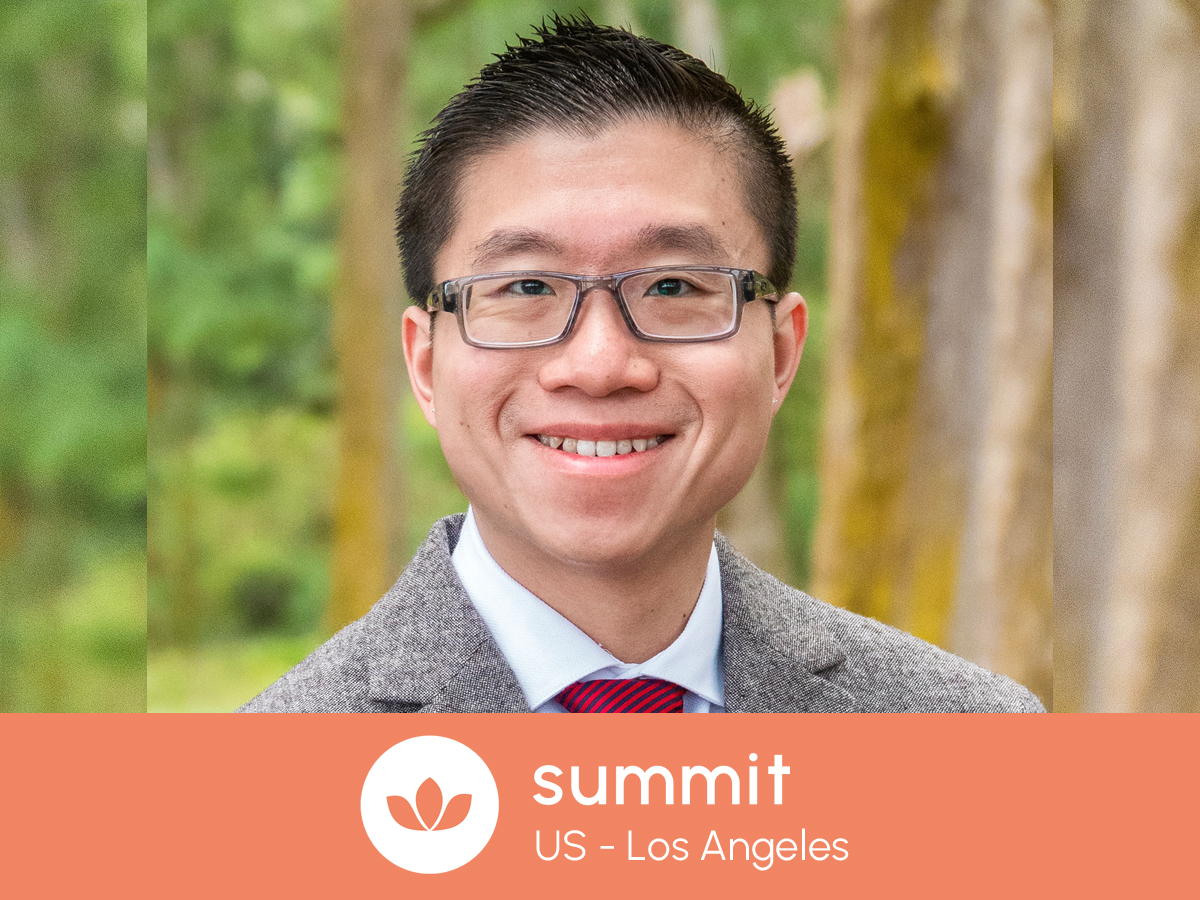
Paulami is a Human Resources leader with over 15 years of progressive experience in the education sector. She currently serves as the Head of Human Resources at The School of Raya, where she plays a strategic role in driving people-centered initiatives that foster trust, performance, and organizational culture. Her expertise spans the entire HR spectrum — from recruitment, talent enablement, and employee engagement to policy design, compliance, and HR operations. She has created HR frameworks, digitized processes, and partnered with leadership teams to build positive, high-performing workplaces. Her professional journey across reputed educational institutions and organizations has honed my belief that employee wellbeing is not a luxury but a lever for productivity, innovation, and retention. She is deeply committed to building environments where individuals feel valued, empowered, and supported to do their best work. She is known for my empathetic leadership, collaborative spirit, and ability to connect people with purpose.
We are delighted that Paulami will be speaking in Bengaluru as part of our Wellbeing at Work Summit Asia this April. We caught up with her to see how she’s feeling in the runup to the event.
Hi Paulami we are thrilled that you will be joining us at the Wellbeing at Work Summit Asia in April. Our first and most important question is, how are you doing today?
Yes, I am thrilled for this too. I am busy with the ongoing recruitment for our coming AY, since we are in the education sector, the time from November until May is really a busy time for all of us in HR and in the pedagogical leadership.
As a leader based in the region, what are the main challenges you are facing when it comes to employee wellbeing and mental health?
From a strategic HR perspective in IB schools, the key challenge around employee wellbeing is ensuring sustainable workload design within a high-performance academic environment. The IB framework requires significant planning, documentation, assessment, and continuous professional development, which can sometimes create structural pressure for teachers. Another challenge is initiative fatigue, as schools often introduce multiple pedagogical innovations, reviews, and programme requirements simultaneously. Without careful prioritisation, this can affect teacher energy and engagement. Additionally, teacher wellbeing is strongly influenced by leadership practices and team culture. Middle leaders play a critical role in managing workload, fostering psychological safety, and ensuring that collaboration remains supportive rather than evaluative. Finally, from a talent perspective, IB-trained educators are globally mobile. Schools therefore need to focus on long-term professional sustainability, clear career pathways, meaningful professional growth, and a culture where teachers feel respected, heard, and supported. Addressing wellbeing in IB schools ultimately requires a systems approach that aligns workload, leadership capability, and organisational culture.
What strategies have you seen developing over the past 6 months, both internally and externally, that are moving the dial on wellbeing in the workplace?
Over the past six months, the most meaningful shift I’ve observed is a move from treating wellbeing as a programme to recognising it as a workplace design question.In IB schools especially, leaders are beginning to look more closely at how work is structured teaching loads, assessment cycles, meeting cultures, and the number of initiatives teachers are expected to manage simultaneously. There is also greater investment in middle leadership capability, because the day-to-day experience of teachers is largely shaped by their immediate leaders. Externally, there is a growing recognition across international school networks that teacher sustainability and retention must be a strategic priority. The conversation is slowly moving away from asking teachers to be more resilient, and toward asking how schools themselves can become more sustainable places to work. That shift in mindset is what will ultimately move the dial on wellbeing in education.
Why is employee wellbeing so important to you personally?
Employee wellbeing matters deeply to me because, in education, people are the institution. The culture that students experience every day is largely shaped by the emotional and professional wellbeing of the adults around them. Over the years, I have seen that when educators feel constantly stretched or unsupported, even the most passionate teachers begin to lose the space to be creative, reflective, and fully present for their students. On the other hand, when schools intentionally create environments of trust, psychological safety, and professional respect, teachers bring their best selves to the classroom. Personally, I see wellbeing not as an additional initiative but as a leadership responsibility. It is about designing systems, expectations, and cultures that allow people to sustain their work with purpose and dignity over time. In many ways, when we care for the wellbeing of educators, we are also protecting the quality of learning and the future of our institutions.
What impact is AI having in your organisation and how are you managing that?
AI is beginning to influence how teachers plan lessons, generate resources, and manage documentation, and when used thoughtfully it can actually reduce some of the repetitive workload educators carry. However, the bigger impact is pedagogical. It is pushing schools, especially IB schools to rethink what we truly value in learning. If AI can generate information easily, then our focus must shift even more toward critical thinking, inquiry, creativity, and ethical judgement. Our approach has been to encourage responsible exploration rather than restriction, while also strengthening conversations around academic integrity and assessment design. In many ways, AI is not replacing educators it is reminding us why the human role in education matters even more.
Other than AI, are there any challenges that you are seeing for the first time and how are you addressing them?
Beyond AI, one of the challenges we are increasingly seeing is educator sustainability. Expectations in schools particularly IB schools have evolved significantly over the years, with greater emphasis on documentation, continuous professional development, differentiated learning, and parent engagement. While these expectations strengthen learning outcomes, they also place significant cumulative demands on teachers. Another emerging challenge is the changing expectations of the workforce itself. Younger educators today are seeking greater balance, purpose, and clarity around career progression. Retaining talent therefore requires schools to think more intentionally about workload design, professional growth pathways, and organisational culture. In response, we are trying to take a more system-level approach. This includes reviewing workload expectations, strengthening middle leadership so teams are supported more effectively, and creating clearer structures for collaboration and professional learning so they feel meaningful rather than burdensome. Ultimately, the focus is on ensuring that schools remain high-performing environments without compromising the long-term sustainability of the people who make them work.
What areas do you think employers should be focused on over the next 12 months?
First is work design and sustainability. Schools will need to look carefully at how work is structured, teaching loads, administrative expectations, and the number of concurrent initiatives so that educators can sustain their performance without burnout. Second is leadership capability, especially at the middle leadership level. Department heads and programme coordinators play a critical role in shaping the everyday experience of teachers, so investing in their ability to lead with clarity, empathy, and strong communication will be essential. The third area is talent retention and professional growth. Educators today are looking for environments where they can continue learning, feel valued, and see a pathway for growth. Schools that are intentional about career development and professional agency will be better positioned to retain strong talent.
Do you feel that investment in employee wellbeing in the region is increasing or decreasing and is that a direct reflection on HR leaders’ increasing ability to demonstrate effective returns of their strategies to leadership?
I do believe investment in employee wellbeing in the region is gradually increasing. What has changed is the framing. Wellbeing is no longer being presented as a welfare initiative, it is increasingly being linked to engagement, productivity, and long-term organisational sustainability. HR leaders today are also using better data and employee insights to demonstrate that when wellbeing improves, so do retention and performance. Wellbeing today is less about perks and more about designing workplaces where people can perform and sustain their careers over time
How has your organisation been leading the way?
In our organisation, we are trying to approach wellbeing systemically rather than as a standalone initiative. Much of our effort has gone into looking at the structure of work itself whether that is teaching loads, meeting cultures, or the pace at which initiatives are introduced during the academic year. We have also focused on creating spaces for professional voice, ensuring that teachers feel heard and able to raise concerns safely. Regular feedback loops and reflective conversations help us understand where adjustments may be needed. Another area has been supporting middle leadership, because the day-to-day experience of teachers is largely shaped by their immediate leaders. Strengthening leadership capability helps create more supportive and sustainable team environments. Ultimately, our aim has been to build a culture where high professional expectations coexist with trust, collaboration, and respect for the wellbeing of educators. We believe that wellbeing is not an add-on to school culture, it is something that must be designed into the way the organisation functions every day.
Paulami is speaking in Bengaluru as part of our Wellbeing at Work Summit Asia 2026 which takes place in Hong Kong, Singapore and Bengaluru this April. Click the links below to find out more and book your tickets:
April 23 2026 – Hong Kong. Click here to find out more and book your tickets
April 28 & 29 2026 – Singapore. Click here to find out more and book your tickets
April 20 2026 – Bengaluru. Click here to find out more and book your tickets