FLASH SALE: for the next 24 hours, you can book your seat to join us in LA on Thursday May 7 completely free of charge. Simply visit our LA Website and use the code LA100 at the checkout.
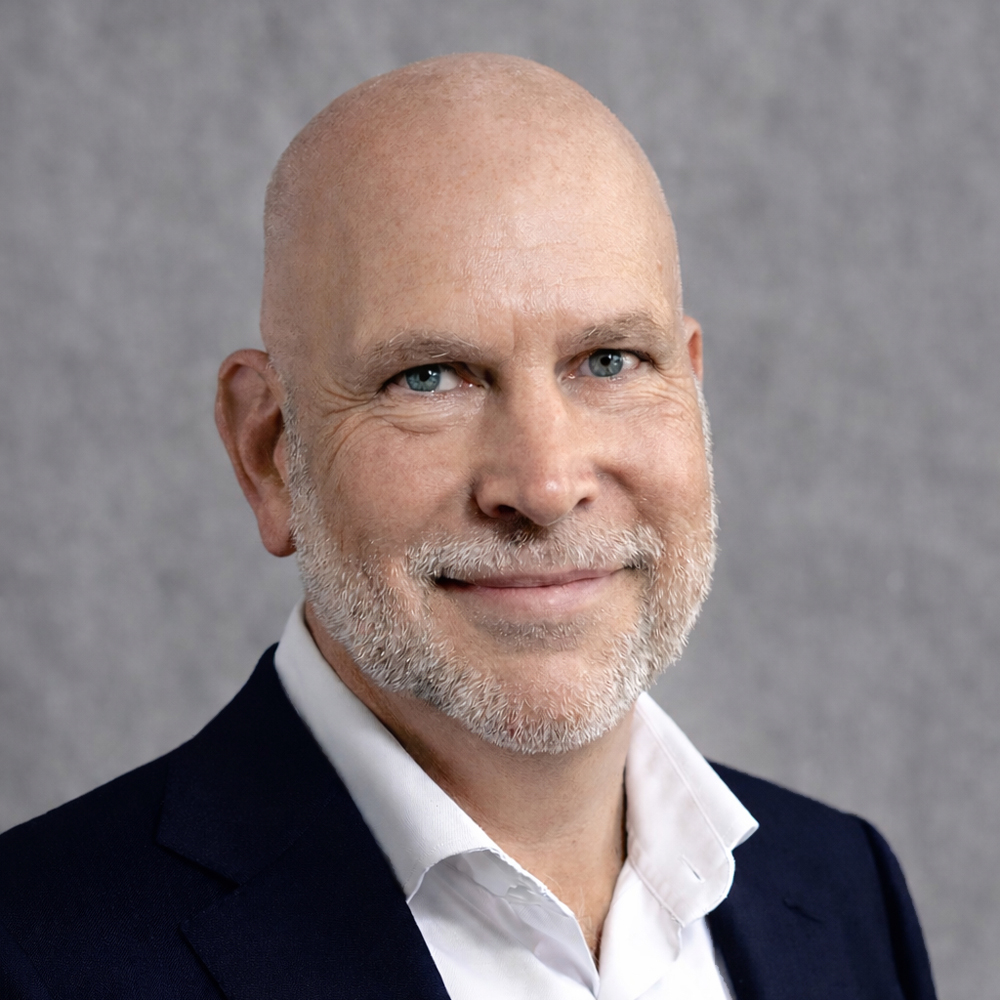
We are delighted to be partnering with Psyray for our US Summit and are thrilled to announce that Rudy van der Linden, their Managing Director is speaking in both Chicago and Los Angeles this week.
We caught up with him to see how he’s feeling in the runup to the event.
Hi Rudy we are thrilled that you are joining us at the Wellbeing at Work Summit US this week. Our first and most important question is, how are you doing today?
I’m doing very well, thank you. I’m energized by the work we are doing and genuinely looking forward to joining the summit. It is an important moment for leaders to have a more serious, practical conversation about wellbeing at work, and I’m excited to contribute to that dialogue.
As a leader based in the region, what are the main challenges you are facing when it comes to employee wellbeing and mental health?
One of the biggest challenges is that mental wellbeing is now widely recognized as a business issue, but many organizations still struggle to manage it in a practical way. Leaders understand the importance, yet they often lack a clear, usable way to measure mental wellbeing early and act on it before problems escalate.
Mental overload is affecting a growing number of people, across levels and industries. At the same time, employers are trying to balance performance, retention, culture, and productivity in a period of constant change. That makes employee wellbeing both more important and more difficult to address well. In my view, better mental wellbeing starts with better measurement and better insight.
What strategies have you seen developing over the past 6 months, both internally and externally, that are moving the dial on wellbeing in the workplace?
What I see is a shift away from wellbeing as a set of isolated initiatives toward wellbeing as a strategic capability. Employers are becoming more interested in real insight rather than broad assumptions. They want to know what is actually happening in their workforce, where risks are building, and how to respond in a way that is relevant and credible.
At Psyray, that is exactly where we have focused our effort. We have developed easy-to-use technology that helps employers measure mental wellbeing and generate meaningful insights for both the individual employee and the organization. For the employee, the feedback is personal and detailed. For the employer, the insight is aggregated and anonymous, so it can support strategy, policy, and targeted action without compromising trust.
Why is employee wellbeing so important to you personally?
Because every organization ultimately rises or falls on the quality, energy, and resilience of its people. When people are well, they think better, collaborate better, and contribute more sustainably. When they are not, the consequences are human, organizational, and financial.
I also believe we need to move beyond treating wellbeing as a “soft” topic. It is not peripheral to business performance. It is part of business performance. That makes it important not only from a human perspective, but also from a leadership and strategic perspective.
What impact is AI having in your organization and how are you managing that?
AI is already having a major impact in our organization. We use it in the continued development of our software platform and in the way we translate measurement outcomes into tailored reports and practical insights for clients.
Used well, AI allows us to scale quality, personalize insight, and work much more efficiently. At the same time, we are very deliberate about where we do and do not use it. We have a clear view on the role AI should play, where human judgment remains essential, and how to apply the technology responsibly. For us, AI is a powerful enabler, but not a substitute for thoughtful leadership, scientific rigor, or human understanding.
Other than AI, are there any challenges that you are seeing for the first time and how are you addressing them?
As a growing company, one of the key challenges is finding people who not only have the right capabilities, but who also truly fit the culture we are building. Skill matters, of course, but cultural fit matters just as much.
We work in an area that requires trust, curiosity, discipline, and a strong sense of shared purpose. In my experience, if people cannot genuinely work well together and enjoy working together, it becomes very difficult to build something meaningful over time. So we pay close attention to both competence and character.
What areas do you think employers should be focused on over the next 12 months?
I would highlight three priorities.
First, mental wellbeing. Mental overload is increasing, and its impact on performance, absence, retention, and leadership quality is significant. It is also becoming even more important for younger generations entering or moving through the workforce. Employers need to treat this as a structural issue, not an occasional HR theme.
Second, the implications of AI. Every organization should be asking where AI can strengthen the business, where it may create risk, and what it means for jobs, leadership, and culture. Like any major technology shift, it can become a real advantage when approached thoughtfully, or a serious threat when it is not.
Third, community and connection. In turbulent times, organizations should think beyond the narrow boundaries of the business itself. Strong companies build meaningful connections with the people and communities around them. That creates trust, relevance, and resilience. Leadership today should be about more than managing the P&L. It should also be about making a positive contribution.
Do you feel that investment in employee wellbeing in the region is increasing or decreasing and is that a direct reflection on HR leaders’ increasing ability to demonstrate effective returns of their strategies to leadership?
I believe investment is increasing, and that is encouraging. More HR leaders understand that wellbeing, and especially mental wellbeing, has direct implications for organizational health and business outcomes. It affects absence, engagement, productivity, retention, and culture.
I also think HR leaders are becoming stronger in making that case to executive leadership. The conversation is maturing. It is no longer only about intention; it is increasingly about outcomes. That said, credibility matters. Employees quickly sense the difference between genuine commitment and symbolic action. Investing in wellbeing can be a strong signal that you truly care about your people, but only if the effort is real, consistent, and supported by action.
How has your organization been leading the way?
At Psyray, we are helping organizations bring more clarity and precision to mental wellbeing at work. We have developed easy-to-use technology that measures mental wellbeing in a practical, accessible way.
There is no need for long conversations or extensive questionnaires. A person puts on the headset, completes a short scan, and within minutes receives a Wellbeing Index @ Work score, including a breakdown across seven key aspects of mental wellbeing. That creates valuable insight for the individual and, at an aggregated and anonymous level, meaningful intelligence for the employer.
What makes this powerful is that it helps turn wellbeing from a vague ambition into something leaders can understand, track, and act on. In my view, that is exactly where the field needs to go.
Rudy is speaking in Chicago and Los Angeles as part of our Wellbeing at Work Summit US 2026 which takes place in Chicago and Los Angeles this May. Click the links below to find out more and book your tickets:
FLASH SALE: for the next 24 hours, you can book your seat to join us in LA on Thursday May 7 completely free of charge. Simply visit our LA Website and use the code LA100 at the checkout.