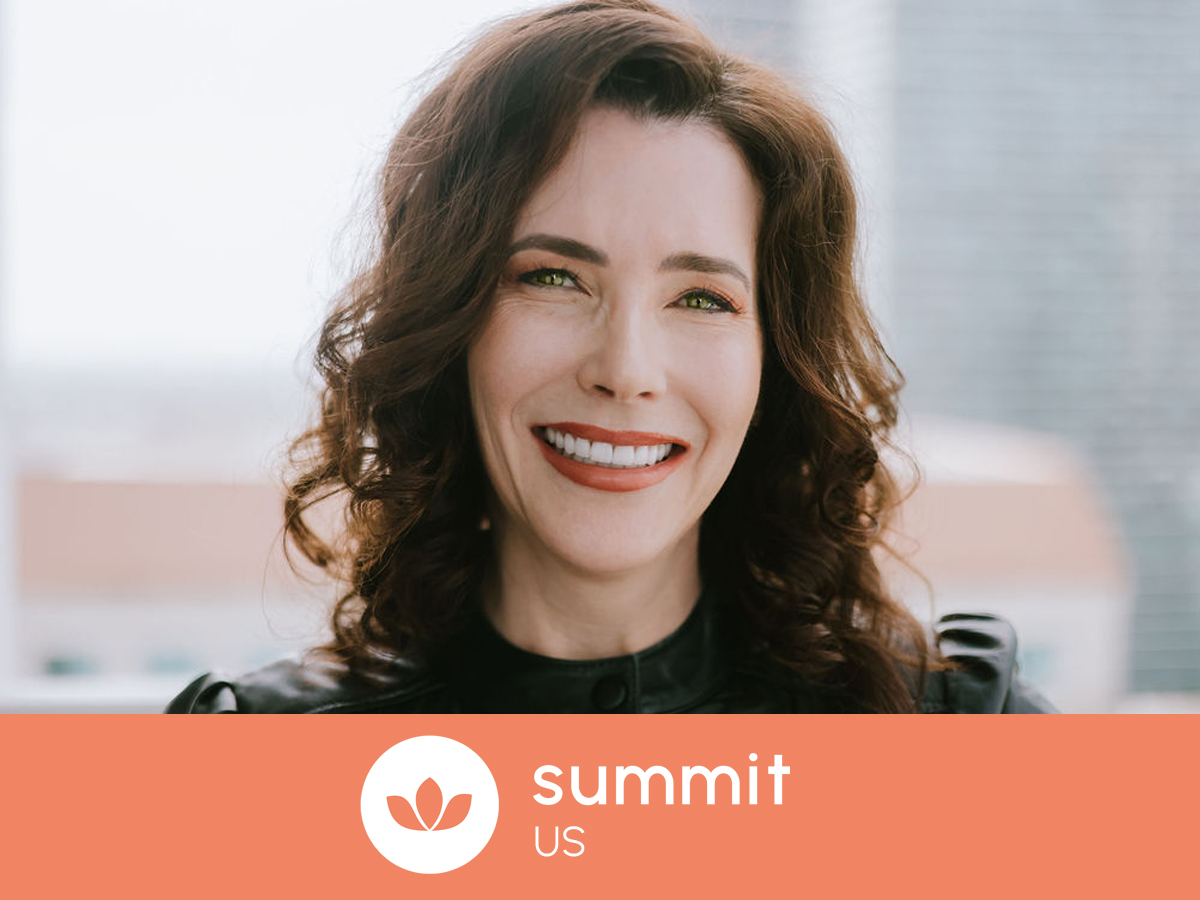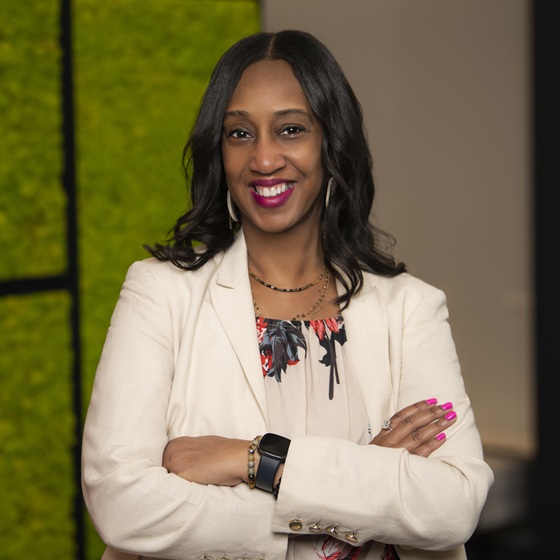
Victoria is a passionate people leader with over 15 years of experience in the human resources space, specializing in Diversity, Equity & Inclusion (DE&I), Leadership Development, and Human Resources Management. Her work is grounded in one core principle: centering the human experience to foster authentic, inclusive relationships. As Vice President of Global People & Culture at Advanced Group, Victoria leads a dynamic global team overseeing Benefits, Payroll, HR, DEI, Social Impact, and
Learning & Development across North America and beyond. She plays a strategic role in shaping a culture where people thrive and purpose drives performance.
We are delighted that Victoria will be speaking in Chicago as part of our Wellbeing at Work Summit US next week. We caught up with her to see how she’s feeling in the runup to the event.
Hi Victoria we are thrilled that you will be joining us at the Wellbeing at Work Summit US in May. Our first and most important question is, how are you doing today?
I’m doing great — and I say that intentionally. As leaders, we often default to saying “busy” or “stressed,” but wellbeing starts with self-awareness. I’m learning to be more intentional about protecting my energy and being thoughtful about how I show up. It’s something I work on every day.
As a leader based in the region, what are the main challenges you are facing when it comes to employee wellbeing and mental health?
One of the biggest challenges I see from literally everyone I speak with is the constant pressure on employees and leaders to do more with less while navigating ongoing change.
What strategies have you seen developing over the past 6 months, both internally and externally, that are moving the dial on wellbeing in the workplace?
Over the past six months, I’ve seen more organizations move from perks to intentional culture design.
That includes:
- Training leaders on psychological safety
- Embedding wellbeing into performance conversations
- Increasing flexibility in how work gets done
- Using data and pulse feedback to guide decisions
Externally, I’m seeing more collaboration across industries and organizations to share best practices, which is encouraging.
Why is employee wellbeing so important to you personally?
For me, wellbeing is deeply personal. As a People & Culture leader, I understand how workplace experiences can impact not just performance, but identity, confidence, and long-term health. I believe when organizations truly care for the human behind the role, people don’t just work better — they live better. That’s the kind of workplace impact I want to be a part of.
What impact is AI having in your organization and how are you managing that?
AI is changing how work gets done — and that can create both excitement and anxiety.
In our organization, we are focusing on:
- Reinforcing that human judgment, creativity, and connection remain critical
- Transparency about how AI will be used
- Creating training and upskilling employees to work alongside technology
Other than AI, are there any challenges that you are seeing for the first time and how are you addressing them?
It’s not that leader wellbeing challenges are happening for the first time — they’ve always been there. What feels different now is that I’m seeing organizations begin to address them more openly and intentionally, without minimizing the impact or making leaders feel that acknowledging stress could threaten their credibility or position.
What areas do you think employers should be focused on over the next 12 months?
Sustainable performance vs. short-term output and Inclusive cultures where people feel psychologically safe to contribute.
Do you feel that investment in employee wellbeing in the region is increasing or decreasing and is that a direct reflection on HR leaders’ increasing ability to demonstrate effective returns of their strategies to leadership?
I believe investment in wellbeing is becoming more strategic.
Leaders are asking smarter questions about outcomes, not just activity. HR is getting better at demonstrating connections between wellbeing, engagement, retention, and productivity. The opportunity now is to keep wellbeing a priority even when business pressures increase.
How has your organization been leading the way?
One of the ways we’ve been intentional about leading in this space is through our Well-being Committee, which focuses on supporting the whole employee experience — financially, mentally, and physically. The committee partners across the business to offer education, resources, and initiatives that help employees build sustainable habits and feel supported both at work and in their personal lives.
Victoria is speaking in Chicago as part of our Wellbeing at Work Summit US 2026 which takes place in Chicago and Los Angeles this May. Click the links below to find out more and book your tickets:
May 5 2026 – Chicago. Click here to find out more and book your tickets
May 7 2026 – Los Angeles. Click here to find out more and book your tickets