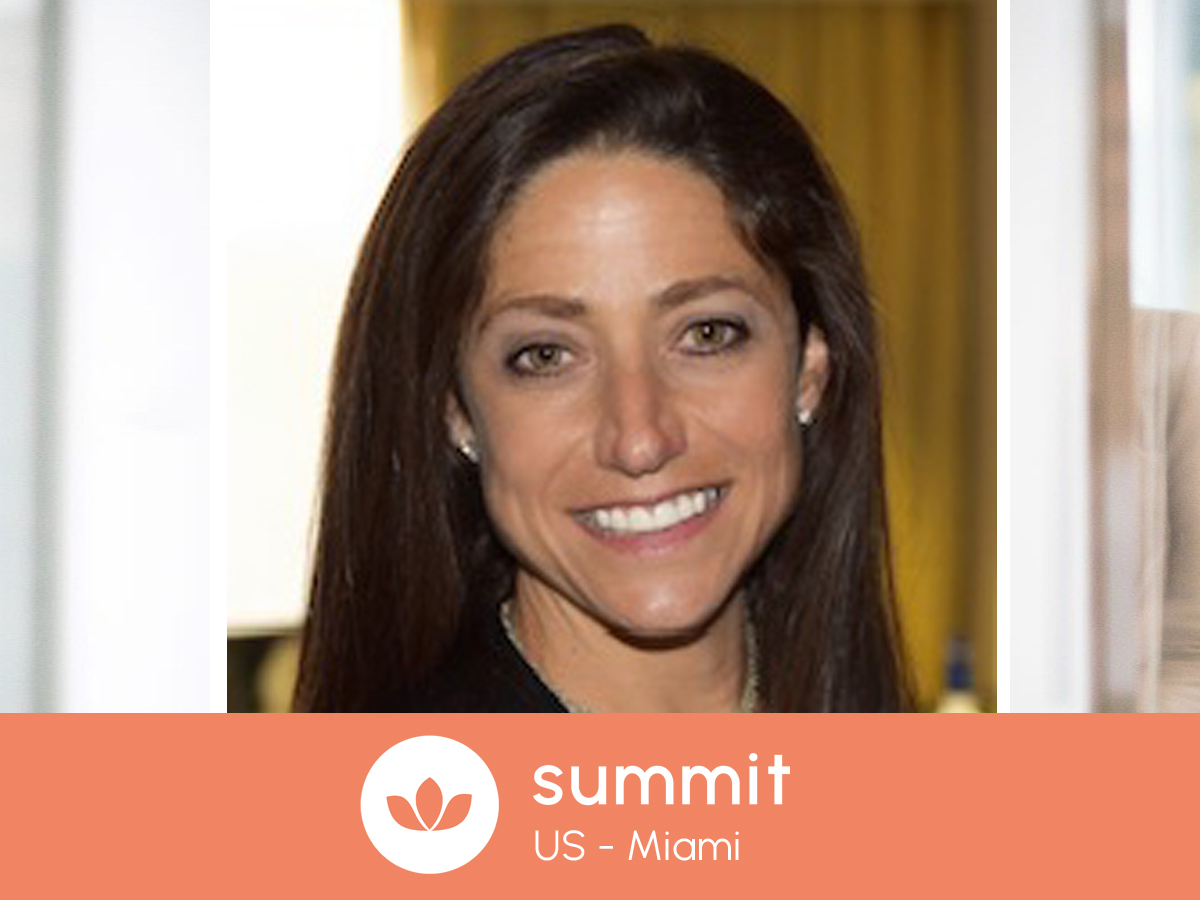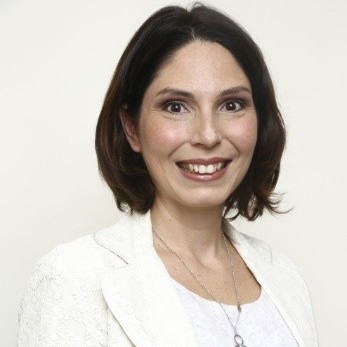
After +15 years experience working in medical devices companies, Carolina decided to embrace health tech transformation putting it at the disposal of employees health. She is now part of the Global Preventive Health team at AXA, managing global programs with the aim to democratize preventive health at the workpla
We are delighted to be partnering with AXA Health Global in Zurich where Carolina and her colleague Raquel Torres Gonzálezare joining us to run a workshop which will help you design a Cost Efficient 360 Health Strategy.
We caught up with Carolina to see how she’s feeling in the run up to the summit:
Hi Carolina we are thrilled that you are joining us at the Wellbeing at Work Summit in Zurich this week. Our first and most important question is, how are you doing today?
I am very well thank you, thrilled and energized as Wellbeing at Work is a key matter for AXA Health, in line with our vision “Protect what matters”.
As a leader based in the region, what are the main challenges you are facing when it comes to employee wellbeing and mental health?
The main challenges that the employers report are related to data and engagement. This consists in the lack of visibility on the “health management” needs within the organisation. And this transforms into low adoption of the current healthcare solutions as they are not always perceived as relevant by the employees.
What strategies have you seen developing over the past 6 months, both internally and externally, that are moving the dial on wellbeing in the workplace?
Our strategy in AXA Health, with Health 360, is to empower caring employers to foster a health management culture at the age of intelligence.
For this, we propose an organisational “Health Scan” of the current health management behaviours, and, based on the insight, we recommend a tailored Employee Benefits plan: in which health conditions to invest, for which target, with which type of program.
We then offer a portfolio of programs, from “self-empowerment” solutions to “check-up” and “cancer screening”, and “work with conditions” solutions, both in mental health and chronic diseases. And to guarantee 360 supports, we include “engagement solutions”, to drive adoption, and “data solutions” to simulate the organisational impact.
Why is employee wellbeing so important to you personally?
1 out of 2 employees suffer of a health-related condition which reflects into 15 to 20% wage equivalent loss per year considering the “direct” impact (absenteeism and presenteeism) and “indirect” impact (overall lack of engagement and turnover). For this, employees’ health cannot be considered anymore as an optional investment, or just a cost centre to manage. Proactive health management is a necessary performance indicator to ensure overall workforce satisfaction and stability.
What impact is AI having in your organization and how are you managing that?
AI is a key driver for our health management programs as it ensures engagement, personalisation of care and early detection. Of course, it will be secured and supervised by healthcare professionals.
We apply generative AI to help employees reflecting on their health goals and engage in their own health management plans. We select innovative partners that properly manage AI to provide personalised care based on the risks and detect risk and diseases at earlier stage to ensure better health outcome and quality of care.
Other than AI, are there any challenges that you are seeing for the first time and how are you addressing them?
The main challenges for the employers will be to select the health management programs that are most relevant for their organisation.
They will also need to leverage all levels of the companies, including leadership team and managers, to engage employees into their adoption.
What areas do you think employers should be focused on over the next 12 months?
In terms of pathologies, the areas that most impact companies are mental health , musculoskeletal diseases and cancer. The employers will need to understand where to put the needle between keeping employees healthy, managing potential risks , and supporting those that already suffer with the condition to live and work better.
Employers will also need to disseminate the “health management” culture , embarking the leadership team and developing “Health Champions”.
Carolina will be Co-Hosting at Workshop in Zurich as part of our Wellbeing at Work Summit Europe 2026 which takes place in Zurich, Amsterdam and Madrid this month. Click the links below to find out more and book your tickets: