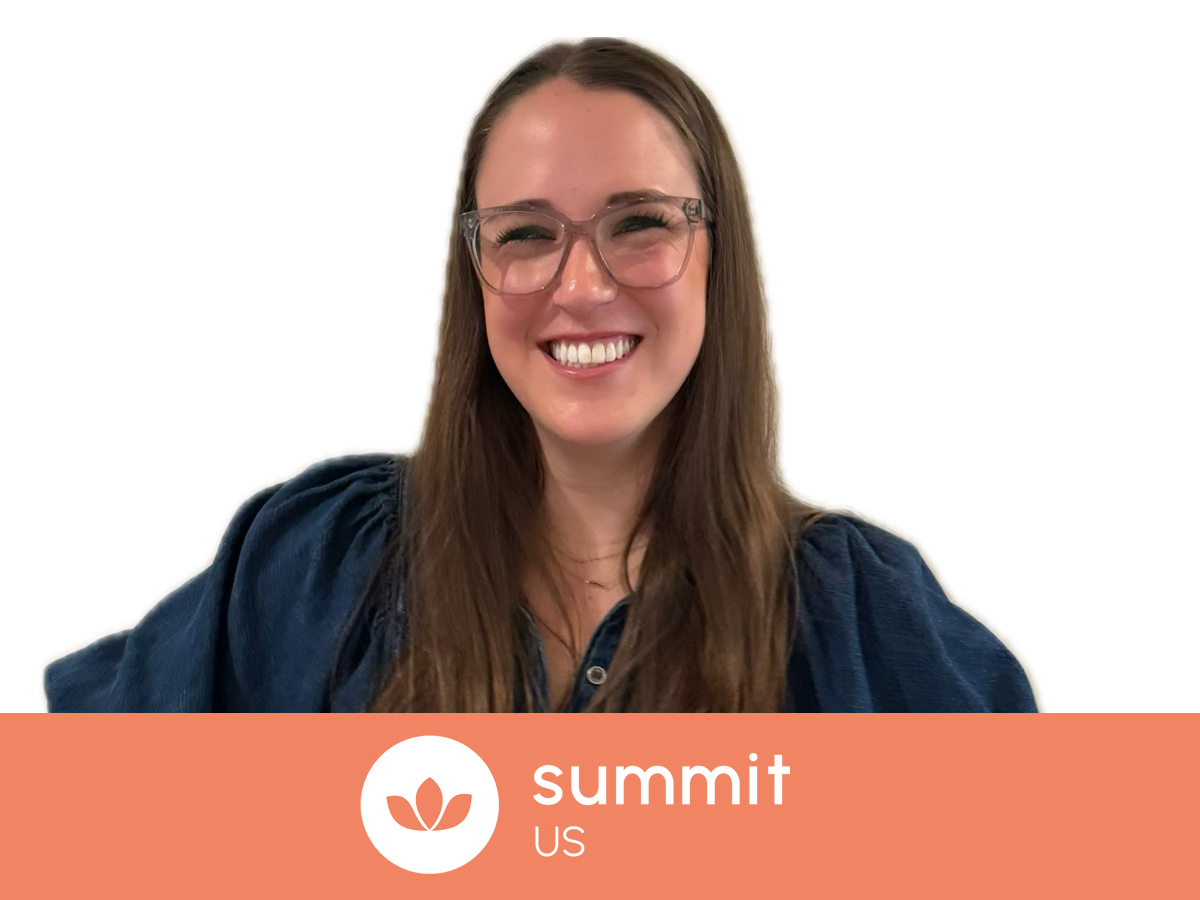
Originally from Upstate New York, Rebecca has lived in Muscat since 2013 and brings more than 20 years of international experience in nonprofit, business, and communications leadership. Since joining OABC in 2017, Rebecca has helped grow the organization into Oman’s most active business networking platform, more than doubling its membership and events. Promoted to CEO in 2023, she has expanded OABC’s trade and investment services, launched new initiatives such as the Export Compass and Gateway Oman programs, and strengthened partnerships with both the private sector and government entities.
We are delighted that Rebecca will be speaking in Muscat as part of our Wellbeing at Work Summit Middle East in January. We caught up with her to see how she’s feeling in the runup to the event.
Hi Rebecca, we are thrilled that you will be joining us at the Wellbeing at Work Summit Middle East in January. Our first and most important question is, how are you doing today?
Today I’m in a really good place – I’m feeling energised and grateful.
As a leader based in the region, what are the main challenges you are facing when it comes to employee wellbeing and mental health?
I lead a small team with a very big mission. There’s genuinely no end to the work we could be doing, and when you care deeply about impact, it can be hard to switch off.
My biggest challenge is modelling healthy boundaries myself—showing my team that rest, balance, and sustainability matter just as much as results. If leaders don’t practice this, it’s very hard to encourage it authentically within a team.
What strategies have you seen developing over the past 6 months, both internally and externally, that are moving the dial on wellbeing in the workplace?
I’ve seen a noticeable shift in the Oman business community. More organisations are investing in practical support—on-site gyms, childcare options, and flexible working arrangements that recognise employees as whole people, not just job titles.
Equally important, conversations around mental health have become more open since COVID. That openness helps normalise mental wellbeing as a shared, ongoing need rather than a taboo or exception—and that’s a powerful step forward.
Why is employee wellbeing so important to you personally?
I’ve experienced workplaces from every angle: nonprofit and for-profit, employee and manager. Over the past eight years as a leader, I’ve seen firsthand the difference wellbeing makes.
When people feel supported, trusted, and cared for, they don’t just perform better—they stay longer, collaborate more, and bring their best selves to work. When wellbeing is neglected, burnout shows up quickly, and everyone pays the price.
What impact is AI having in your organization and how are you managing that?
We use AI daily, and it’s incredibly helpful—it allows us to work faster, think more creatively, and stretch limited resources.That said, there’s a real wellbeing risk if efficiency simply leads to more work. AI can draft proposals, but it can’t implement them or manage relationships. We’re conscious that growth needs to be strategic and human-centred, with the right level of resourcing to support people, not overwhelm them.
Other than AI, are there any challenges that you are seeing for the first time and how are you addressing them?
One growing challenge is emotional and cognitive overload. People are navigating constant change—technological, economic, and personal—often without space to process it.
Addressing this starts with honest conversations, clearer priorities, and creating environments where people feel safe saying, “This is too much,” before it becomes burnout.
What areas do you think employers should be focused on over the next 12 months?
Clarity. Clear goals, clear priorities, and a culture that empowers people to own their projects without constantly shifting expectations.
People can work hard—and even long hours—when they know what they’re working toward. What truly causes burnout is moving goalposts and lack of direction. Employers should also invest seriously in AI literacy and training. It’s unavoidable, and employees need guidance—not just access—to use it well.
Do you feel that investment in employee wellbeing in the region is increasing or decreasing and is that a direct reflection on HR leaders’ increasing ability to demonstrate effective returns of their strategies to leadership?
Investment in wellbeing across the region is definitely increasing—partly because there was very little focus in the past. Today, we’re seeing more events, stronger corporate partnerships, and insurance providers actively supporting wellbeing initiatives.
At the same time, HR leaders are getting better at using data to show the link between wellbeing, retention, engagement, and performance. That evidence is helping wellbeing move from a “nice-to-have” to a strategic priority.
How has your organization been leading the way?
We lead by creating space for connection and honest conversation. Through our HR Community, we bring together HR leaders from over 300 member companies in a welcoming, thoughtful environment.
Sometimes what people need most isn’t another policy—it’s a trusted peer, mentor, or sounding board outside their own organisation. By fostering those relationships, we help HR leaders feel less isolated and more empowered to drive meaningful change within their companies.
Rebecca will be speaking in Muscat during our Wellbeing at Work Summit Middle East 2026 which takes place in Cairo, Riyadh, Muscat and Dubai in January. Click the links below to find out more and book your tickets:
20 January 2026 – Cairo – Click here to find out more and book
22 January 2026 – Riyadh – Click here to find out more and book
27 January 2026 – Muscat – Click here to find out more and book
29 January 2026 – Dubai – Click here to find out more and book