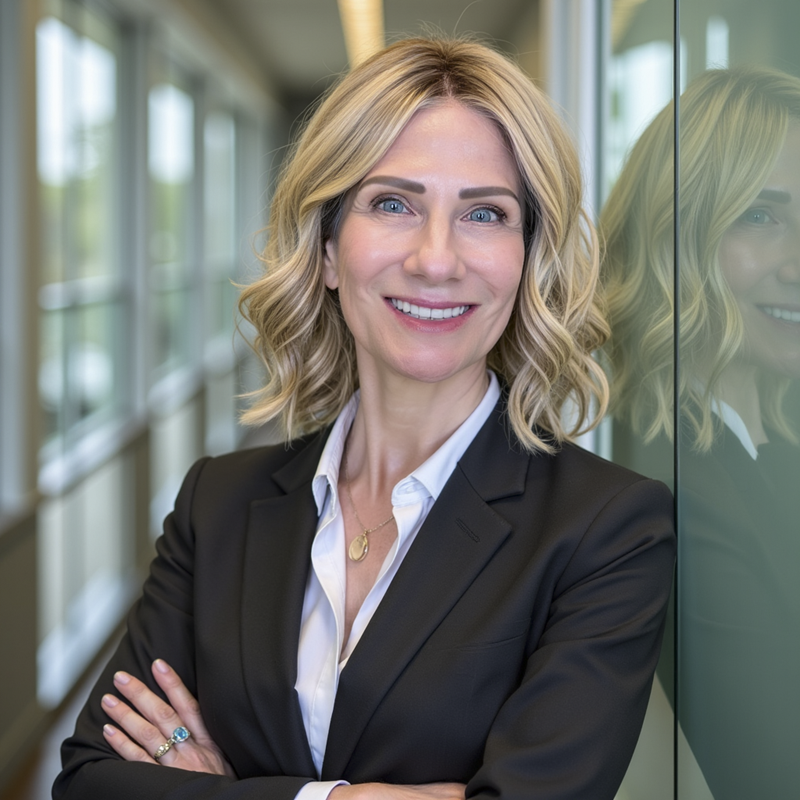
Noelle is a trusted neurodiversity advisor with over 20 years’ experience consulting for Fortune 500 companies, governments, and non-profits. Drawing on both professional expertise and her own perspective as an autistic and ADHD professional, she helps organizations achieve measurable, lasting progress in neuro-inclusion by approaching it strategically, aligning it to business objectives, and ensuring staff and line managers are well trained and supported. She frequently speaks at events like TEDx and serves as strategic advisor for the Asia Neurodiversity Business Alliance (ANBA), working alongside companies like HSBC, Morgan Stanley, and Standard Chartered Bank. She has an MBA and advanced study in Strategy at Oxford, and in Neuroscience and Psychology at King’s College London. After moving to Hong Kong four years ago, she planned to retire very early and spend her time composing classical music for orchestra, but instead has been happily distracted by the incredible opportunities for neuro-inclusion in APAC.
We are delighted that Theresa will be speaking in Hong Kong as part of our Wellbeing at Work Summit Asia this April. We caught up with her to see how she’s feeling in the runup to the event.
Hi Noelle, we are thrilled that you will be joining us at the Wellbeing at Work Summit Asia in April. Our first and most important question is, how are you doing today?
I’m feeling positive and grateful to be living and working in Hong Kong (for the past five years). It’s an exciting time for neurodiversity and I’ve never been busier, which also has its downsides, so I’m having to take extra care to maintain balance in my life. Recently, I’ve been very intentional about reconnecting with my non-work passions like art and music composition, which has made a real difference to my own wellbeing.
As a leader based in the region, what are the main challenges you are facing when it comes to employee wellbeing and mental health?
Across the region, I see two main challenges for my area of focus, which is neurodiversity. First, stigma around neurodivergence (like autism, ADHD and dyslexia) is still strong, so many neurodivergent people fear discrimination, hide their struggles and do not feel able to ask for the adjustments they need to thrive at work. Second, leaders, managers and HR often feel unsure how to start these conversations or what “good” support looks like. Given that roughly 1 in 5 people are neurodivergent, many employees are silently struggling, and organisations are missing out on their skills and unique strengths.
What strategies have you seen developing over the past 6 months, both internally and externally, that are moving the dial on wellbeing in the workplace?
Neurodiversity is still a relatively new topic, so most organisations are at an early stage. The ones making real progress treat it strategically: they set clear goals, and link neuro-inclusion to benefits for neurodivergent individuals, the wider workforce and the business. A strategic approach does not need to be complicated; it simply means being clear on the purpose of, for example, a neurodiversity awareness talk, the outcomes you want, the next steps, and how it all fits into the bigger picture.
Why is employee wellbeing so important to you personally?
For me, this is deeply personal as I was diagnosed late in life with autism and ADHD, my children are also neurodivergent, and I have sadly lost neurodivergent friends to suicide. Employee wellbeing isn’t a “nice to have”; it’s about human dignity, psychological safety, and unlocking the creativity and problem-solving we say we want from our teams.
What impact is AI having in your organization and how are you managing that?
AI is having a very real impact on how we work, so we are being intentional about how we use it. For example, we do a lot of training, both e-learning and in person, and we see that when AI is used for learning it can easily reproduce outdated information, stereotypes and misinformation in course content. Similarly, in our advisory work with corporates, we see that when clients use AI for processes like recruitment, those systems can mirror the same biases and barriers that humans have. This is why using AI responsibly is so important to us and we have added additional checkpoints ensuring that subject matter experts are always involved to check accuracy, context and nuance.
Other than AI, are there any challenges that you are seeing for the first time and how are you addressing them?
As awareness of neurodiversity increases and more neurodivergent employees seek workplace adjustments, we are seeing a new kind of challenge. They may not know what adjustments they need, which can be confusing for managers who assume every neurodivergent employee will know exactly what they require. The key is collaboration; each neurodivergent employee and manager works together to identify and refine the right adjustments, and we support this by helping managers have these conversations and follow clear, practical steps and best practices.
What areas do you think employers should be focused on over the next 12 months?
Make wellbeing truly strategic by linking it to the business’s goals and objectives, so that it is clear how wellbeing contributes to the organisation’s overall success.
Do you feel that investment in employee wellbeing in the region is increasing or decreasing and is that a direct reflection on HR leaders’ increasing ability to demonstrate effective returns of their strategies to leadership?
I’m seeing increased investment in neurodiversity, from basic awareness sessions to manager training and strategic planning. However, these numbers could be higher if there was more understanding on how to build the business case for neurodiversity. Many business leaders are surprised to learn that supporting neurodivergent employees often brings clear business benefits, because the changes made for them usually improve things for all employees and strengthen the business overall.
How has your organisation been leading the way?
We help organisations build neuroinclusive, psychologically safe workplaces where diverse brains can thrive. We do this through a mix of in-person training and e-learning focused on neurodiversity, and advisory work to help organisations translate inclusion into everyday behaviours and systems. As a result, we are seeing improved understanding and psychological safety, more confident managers, and employees who report feeling more seen and supported. Ultimately, leading the way for us means helping business leaders recognise that wellbeing is a core driver of resilience, innovation and long-term performance; it is not only the right thing to do, it is also a business advantage.
Noelle is speaking in Hong Kong as part of our Wellbeing at Work Summit Asia 2026 which takes place in Hong Kong, Singapore and Bengaluru this April. Click the links below to find out more and book your tickets:
April 23 2026 – Hong Kong. Click here to find out more and book your tickets
April 28 & 29 2026 – Singapore. Click here to find out more and book your tickets
April 20 2026 – Bengaluru. Click here to find out more and book your tickets