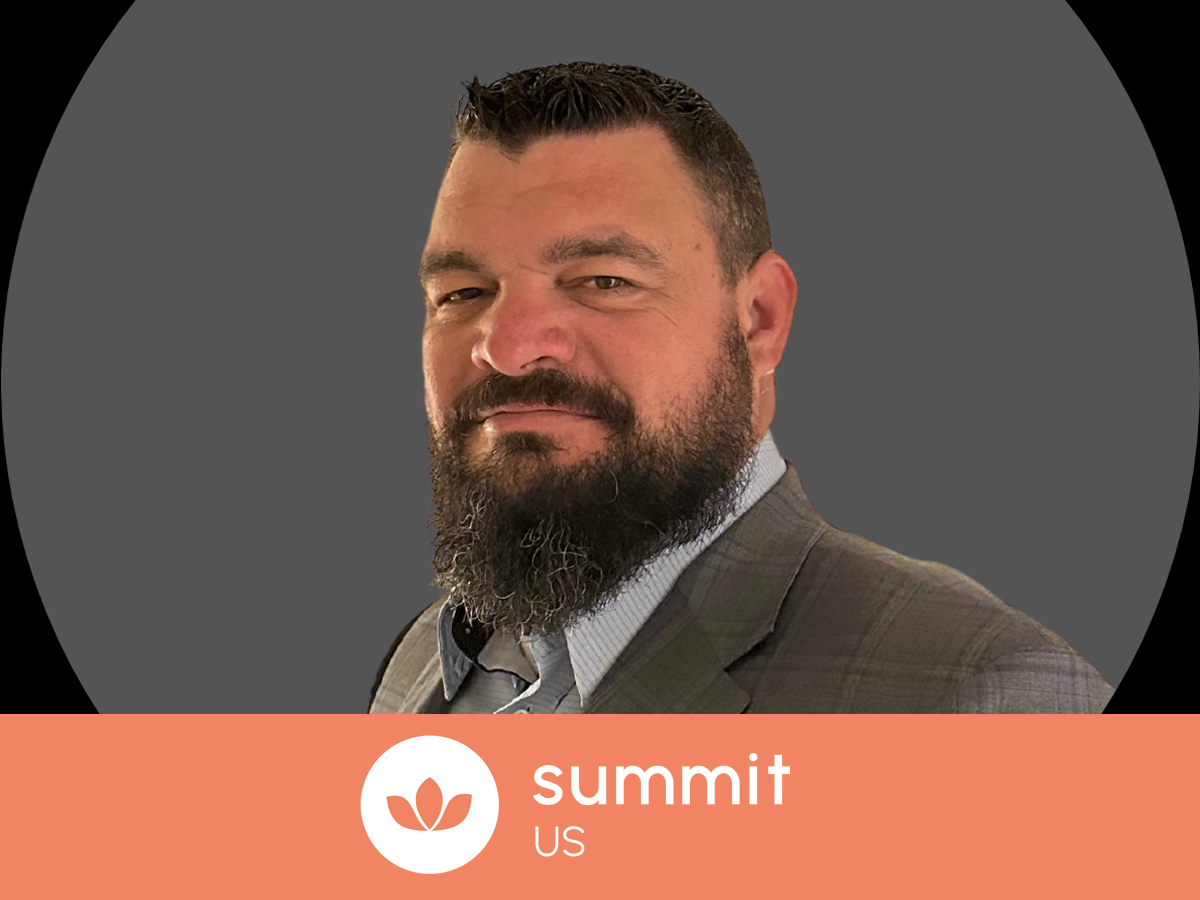
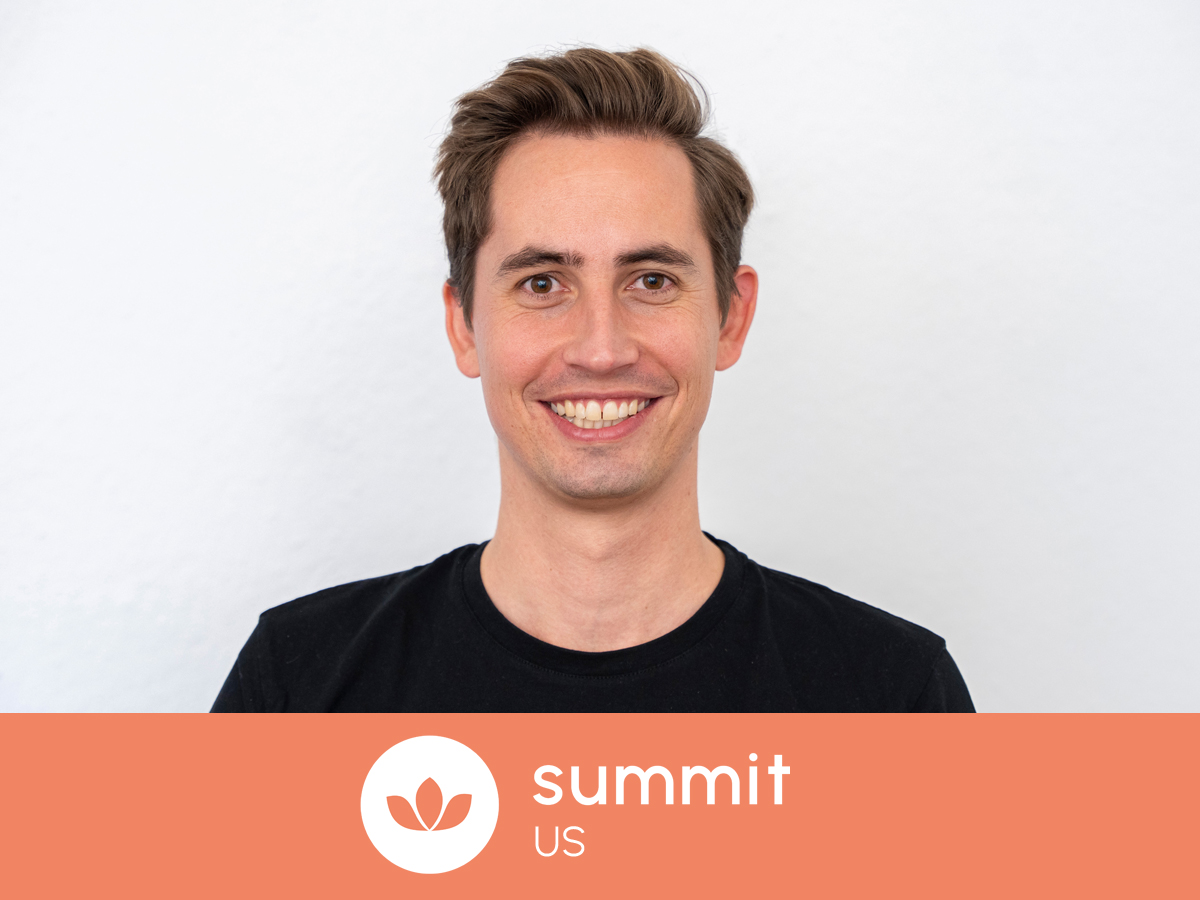
Manal leads HR strategy, transformation, and people initiatives in alignment with business goals and regulatory standards. With over 18 years of experience across financial services and tourism, she has held senior HR leadership roles at Alizz Islamic Bank and Omran, focusing on organizational development, employee engagement, and governance. Manal holds an MBA and multiple CIPD qualifications and is passionate about building positive workplace cultures that drive performance and wellbeing.
We are delighted that Manal will be speaking in Muscat as part of our Wellbeing at Work Summit Middle East in January. We caught up with her to see how she’s feeling in the runup to the event.
Hi Manal, we are thrilled that you will be joining us at the Wellbeing at Work Summit Middle East in January. Our first and most important question is, how are you doing today?
Thank you for asking — I’m doing very well and deeply honoured to be part of this Summit. At National Finance, wellbeing is becoming a core pillar of how we lead and support our people, so being invited to this platform is truly meaningful. Preparing for this event has given me renewed energy to share our journey in Oman and how we are building a more human-centred workplace across the financial sector.
As a leader based in the region, what are the main challenges you are facing when it comes to employee wellbeing and mental health?
One of our biggest challenges in Oman is shifting from individual programmes to organisation-wide integration. Many employees struggle silently due to cultural hesitations, stigma, or fear of judgment. At National Finance, our priority is embedding wellbeing into leadership behaviour, policy, and day-to-day operations — making it a normal, accepted part of our culture rather than a separate initiative.
What strategies have you seen developing over the past 6 months, both internally and externally, that are moving the dial on wellbeing in the workplace?
In the recent months, I’ve seen a strong shift towards leadership-driven prevention. In National Finance, we have focused on equipping managers with the mindset and skills to create psychologically safe teams. Regionally, organisations are moving beyond awareness sessions into structured leadership capability building, where empathy, communication, and psychological safety are treated as measurable competencies — not soft skills
Why is employee wellbeing so important to you personally?
It is personal to me because I have experienced loss and emotional triggers that changed the way I see people and leadership. Losing my best friend and my father taught me that healing is not linear, and that workplaces can either support or hinder a person’s recovery. This shaped the foundation of my HR philosophy: every employee carries a story, and leadership must honour that.
What impact is AI having in your organization and how are you managing that?
At National Finance, AI is helping us enhance employee experience, automate workflows, improve HR service delivery, and identify wellbeing trends earlier. However, we are very mindful that AI cannot replace genuine human connection. Our approach is simple: AI supports decisions, but people build trust. We use technology to empower leaders, not replace them.
Other than AI, are there any challenges that you are seeing for the first time and how are you addressing them?
A growing challenge is leader fatigue, especially during transformation. Many leaders feel responsible for supporting their teams while navigating rapid change themselves. To support them, we are introducing trauma-informed leadership practices — helping managers stay grounded, recognise emotional overload, and lead with clarity, compassion, and resilience.
What areas do you think employers should be focused on over the next 12 months?
Three key priorities stand out for our region and industry:
- Embedding psychological safety in ESG and sustainability strategies.
- Strengthening leadership communication and empathy capabilities
- Measuring wellbeing impact using metrics like retention, engagement, trust, reduced absenteeism and productivity — not only annual surveys
These priorities help organisations move from wellbeing as an initiative to wellbeing as a business strategy.
Do you feel that investment in employee wellbeing in the region is increasing or decreasing and is that a direct reflection on HR leaders’ increasing ability to demonstrate effective returns of their strategies to leadership?
Investment is definitely increasing — but with sharper focus. HR leaders today are more data-driven, using metrics to show how wellbeing supports productivity, attendance, retention, customer service, and even risk reduction. In National Finance, demonstrating clear links between wellbeing and business outcomes has helped us secure leadership support and integrate wellbeing into our broader transformation plans.
How has your organization been leading the way?
National Finance is undergoing a major cultural and digital transformation, and wellbeing has become a fundamental enabler of this journey. We are building a culture centred on trust, psychological safety, empowerment, and capability development.
Our HR transformation — from policy redesign, performance management, and leadership development to digital HR systems — places people at the heart of business strategy.
We are not only improving processes; we are creating a workplace where people feel valued, heard, and supported, which ultimately strengthens our service to customers and our reputation in the market.
Manal will be speaking in Muscat during our Wellbeing at Work Summit Middle East 2026 which takes place in Cairo, Riyad, Muscat and Dubai in January. Click the links below to find out more and book your tickets:
20 January 2026 – Cairo – Click here to find out more and book
22 January 2026 – Riyadh – Click here to find out more and book
27 January 2026 – Muscat – Click here to find out more and book
29 January 2026 – Dubai – Click here to find out more and book