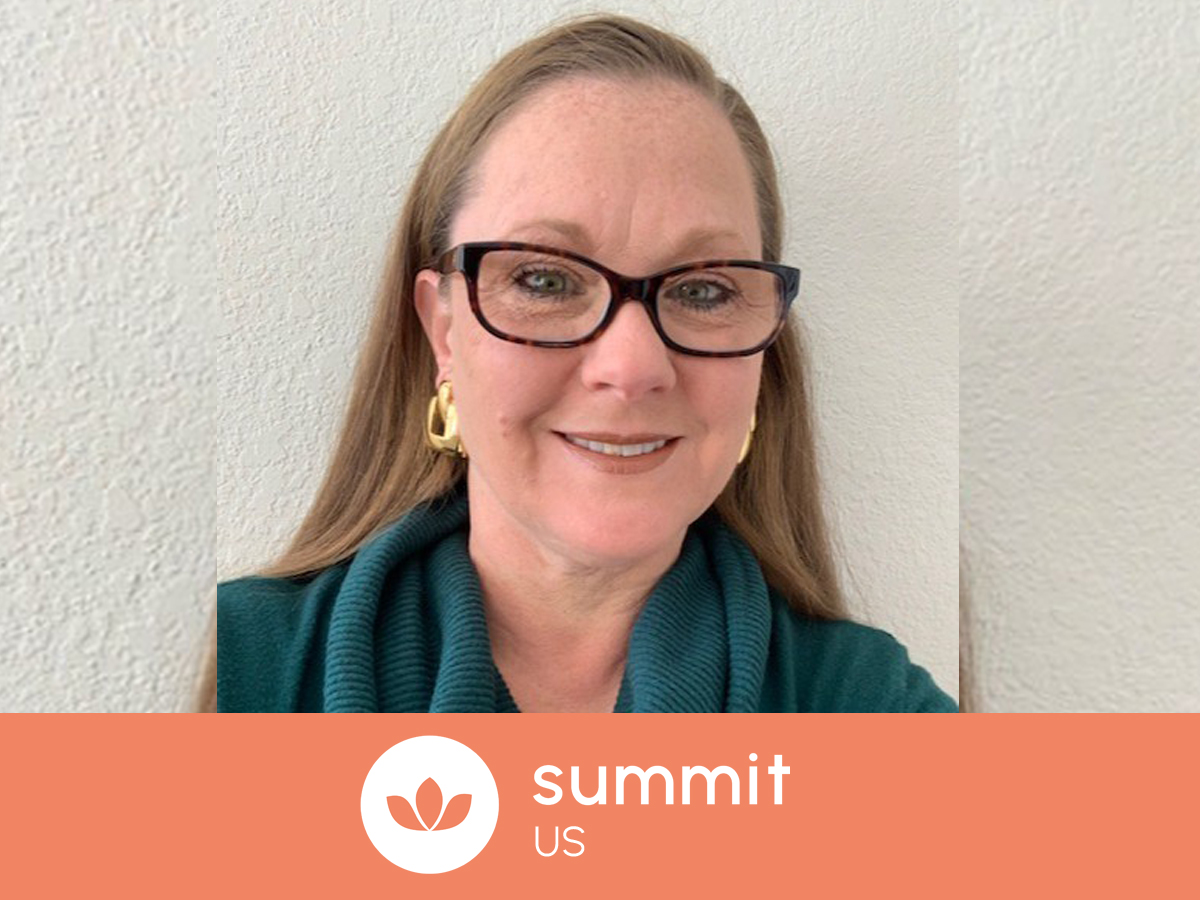
An innovation-oriented leader, Karen has decades of experience in Health Solutions. She was an architect of Alight’s Total Wellbeing strategy which optimizes an employer’s HR and Benefits ecosystem by delivering an AI-driven personal wellbeing experience for employees. She was a pioneer in exchange solutions building the Aon Hewitt Active and Retiree Health Exchanges. Karen has lead Alight’s significant solution expansion including Consumer-Driven Accounts, COBRA/Direct Billing, Retiree Administration, Health Navigation, and transforming the benefits enrollment experience. She has also held senior roles in Health and Welfare Benefits Administration including Practice Leader and Internal Operations Leader.
We are delighted that Karen will be speaking in New York as part of our Wellbeing at Work Summit US this March. We caught up with her to see how she’s feeling in the runup to the event.
Hi Karen, we are thrilled that you will be joining us at the Wellbeing at Work Summit US in March. Our first and most important question is, how are you doing today?
I truly appreciate the question as both personally and professionally I believe in the importance of holistic wellbeing. I’m doing well and am energized by the opportunity to lead a panel discussion on wellbeing.
As a leader based in the region, what are the main challenges you are facing when it comes to employee wellbeing and mental health?
One of the biggest challenges is that wellbeing has become more interconnected and complex, while support often remains fragmented. Financial stress, workload, and life demands all impact mental health, and employees need clearer guidance and flexibility, not just more programs, to feel genuinely supported and balanced.
What strategies have you seen developing over the past 6 months, both internally and externally, that are moving the dial on wellbeing in the workplace?
Employers are pivoting away from layering on additional programs and focusing on getting employees to engage in all the great offerings they already have through a variety of approaches to engagement with personalization as the lead approach. 90% of employees tell us they want personalized support and 87% want a “one-stop shop” for all health and wellbeing benefits.
Why is employee wellbeing so important to you personally?
I have seen the positive impact diet, nutrition, fitness, and self-care has on my wellbeing and that of my close family and friends. Professionally, health and wellbeing is core to my life’s work of building solutions that support employers improving the total wellbeing of their people. This includes my current role leading Alight’s Health and Navigation solutions.
What impact is AI having in your organization and how are you managing that?
AI is enabling us to transform the health and benefits experience for our clients and their people. That means our employees are on the forefront of learning the value of AI, how it will enable change in our organization, and how it will profoundly change the experience for our client’s people. AI allows us to move away from impersonal benefits silos to a truly personal experience focused on meets employee needs in a holistic way.
Other than AI, are there any challenges that you are seeing for the first time and how are you addressing them?
Across Alight and our clients, we see employees struggling with change fatigue that has been going on since COVID. This includes return to office pressures, organizational changes including staff reductions, and new ways of working. Focusing on holistic employee wellbeing is a key element in supporting them through all the change including giving them a personal path to the resources they need to meet the needs of themselves and their families.
What areas do you think employers should be focused on over the next 12 months?
There are a few key areas that are top of mind for me:
Segment and personalize communication:
Tailor benefits messages based on traditional demographics, like generation, in addition to factors like work location and benefits literacy level. Combine succinct AI-generated digital alerts with periodic high-touch check-ins to keep information relevant and actionable.
Supercharge wellbeing adoption: Close the gap between program access and usage by pairing mobile-first platforms with human-centered support, such as coaching and concierge services. Incentivize participation with small rewards and social recognition
Use flexibility as a competitive edge: Consider allowing workers to allocate their benefits dollars to what they value most. Evolve beyond binary “remote vs. onsite” debates. Offer choices like phased return-to-office, four-day work weeks or “core hours” scheduling and equip managers with data-driven guides to balance team cohesion and individual autonomy.
Embrace AI with transparency: Provide training, clear policies and career-development pathways that integrate AI tools while reducing job-security fears. Position AI as a tool to free employees from rote tasks so they can focus on high-impact, creative work.
Help people choose the right benefits: Have AI analyze employee data to provide tailored benefits recommendations at the right time. Pair employees with navigators who can offer guidance and support. Develop micro-learning content to optimize benefits usage.
Do you feel that investment in employee wellbeing in the region is increasing or decreasing and is that a direct reflection on HR leaders’ increasing ability to demonstrate effective returns of their strategies to leadership?
Due to rising HR and Benefits costs, budgets are extremely tight. As a results, employers are pivoting away from layering on additional programs and focusing on vendors with multiple capabilities to meet the needs of employees and their families. Further, employers are focusing on getting employees to engage in all the great offerings they already have through a variety of approaches to engagement with personalization as the lead approach.
How has your organization been leading the way?
We focus on embedding wellbeing into how we lead and operate, not treating it as a separate initiative. By holding leaders accountable, designing flexible experiences, and continuously listening to the people we serve, we’re able to evolve our approach as needs change and support people in more meaningful, human ways.
Karen is speaking in New York as part of our Wellbeing at Work Summit US 2026 which takes place in New York and Austin this March, followed by Chicago and Los Angeles in May. Click the links below to find out more and book your tickets:
March 3 – New York – Click here to find out more and book
March 5 – Austin, TX – Click here to find out more and book
May 5 – Chicago – Click here to find out more and book
May 7 – Los Angeles – Click here to find out more and book