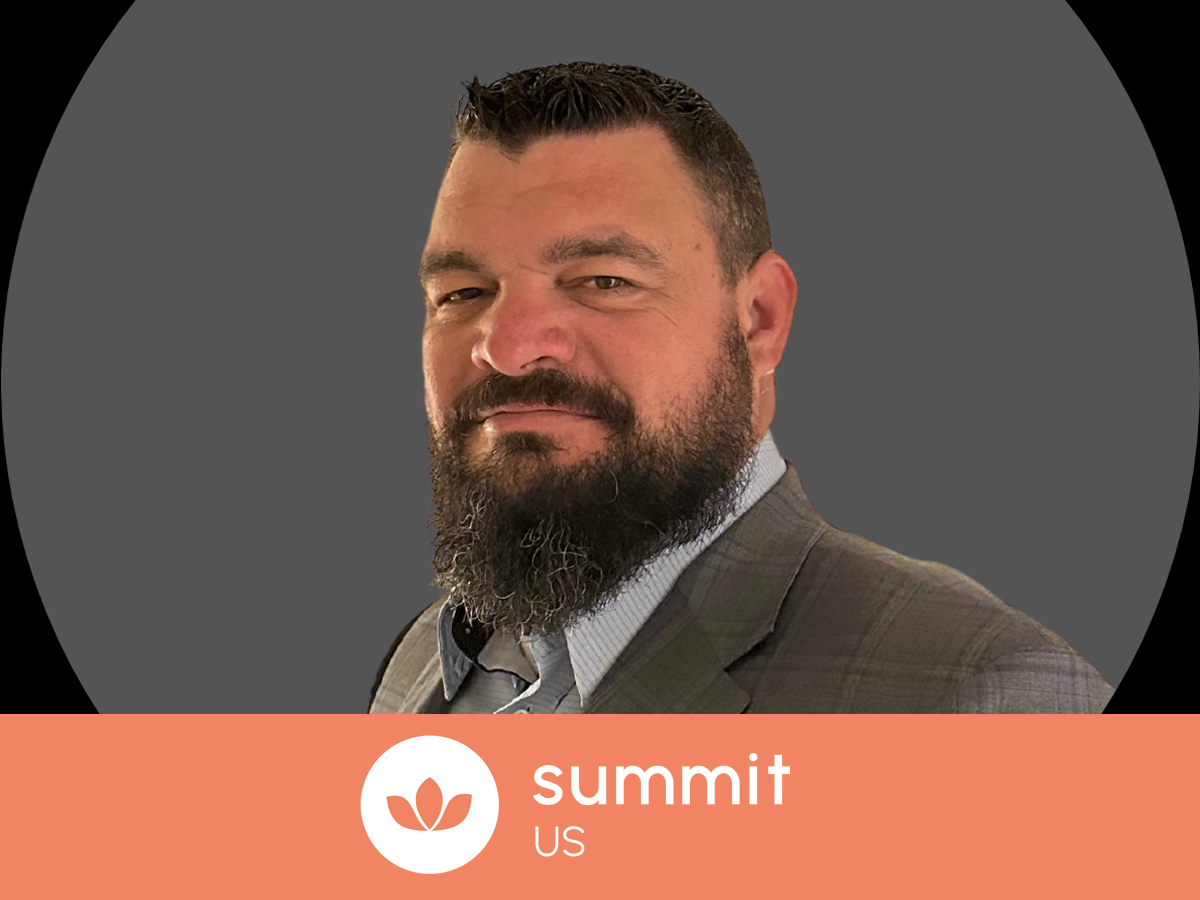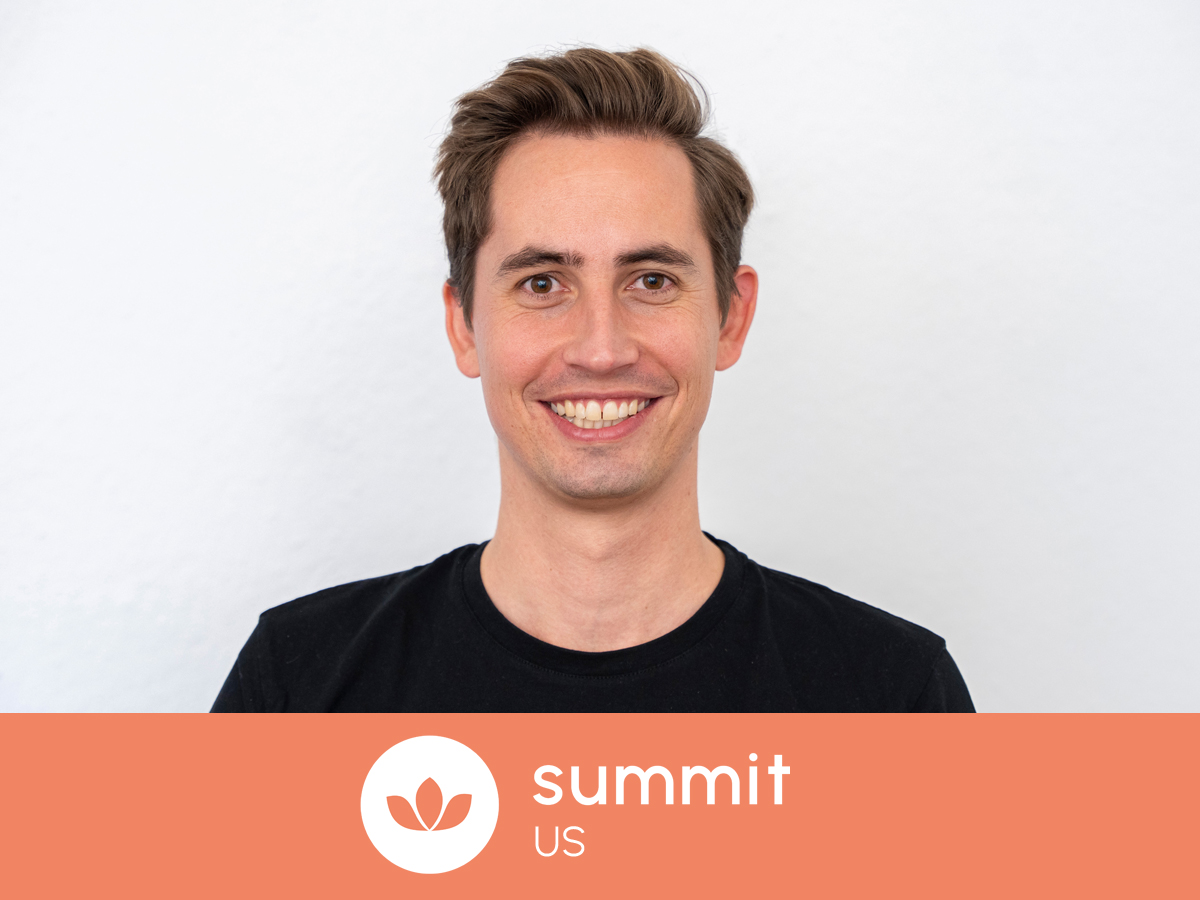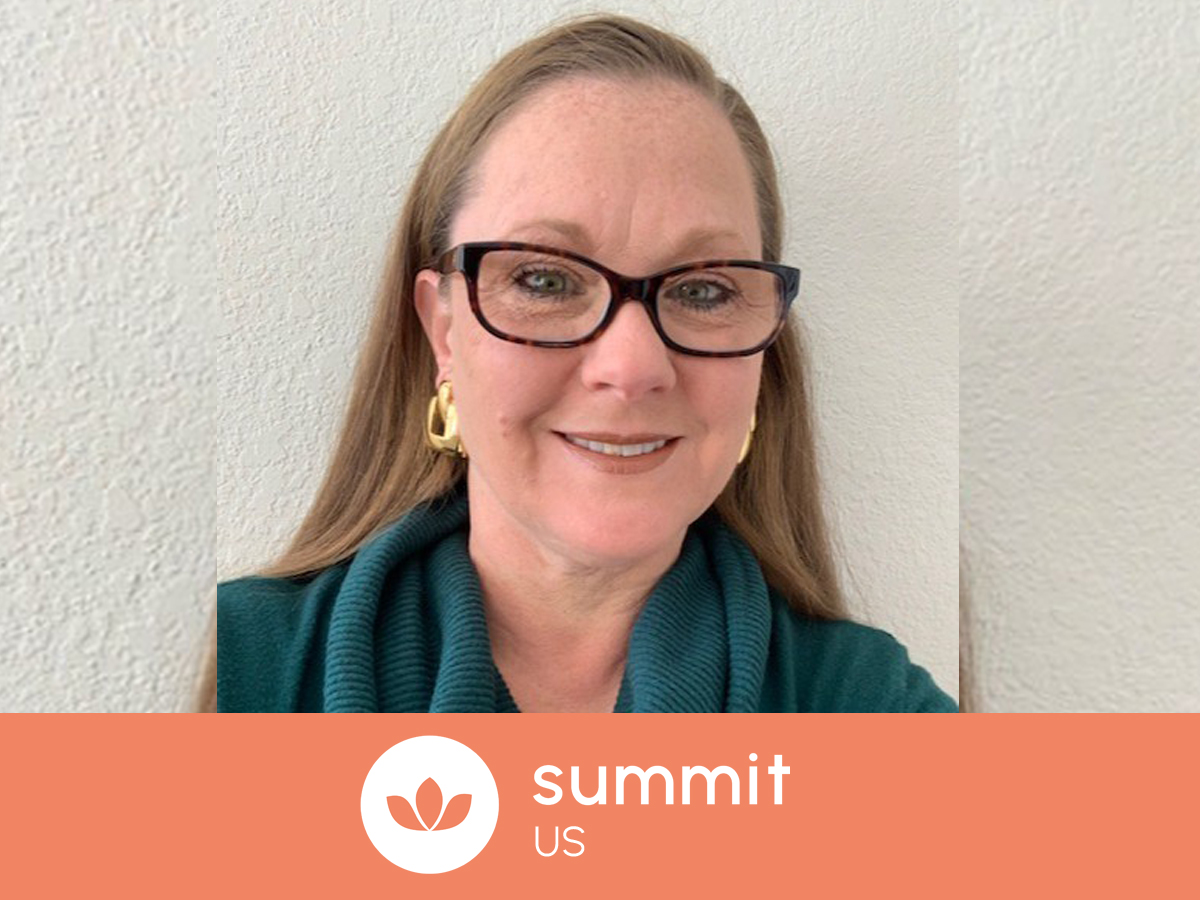
Jean Edwards is an experienced Environmental Health and Safety (EHS) leader with a background in employee safety, health, and well-being in industrial manufacturing environments. Since joining Siemens in 2016, she has driven initiatives that elevate EHS management systems, strengthen holistic risk mitigation, and embed strategic programs that reinforce regulatory compliance, accelerate continuous improvement, and cultivate a resilient, people-centered culture.
We are delighted that Jean will be speaking in Austin as part of our Wellbeing at Work Summit US this March. We caught up with her to see how she’s feeling in the runup to the event.
Hi Jean, we are thrilled that you will be joining us at the Wellbeing at Work Summit US in March. Our first and most important question is, how are you doing today?
I’m doing well, thanks for asking. It’s a busy season, but I’m feeling excited and grateful, and I’m trying to model the basics we often talk about — setting boundaries, taking real breaks, and staying connected to my coworkers.
As a leader based in the region, what are the main challenges you are facing when it comes to employee wellbeing and mental health?
The biggest challenge isn’t a lack of wellbeing programs — it’s making wellbeing real in the day-to-day work. Sustained change, high work intensity, and “always-on” expectations are creating cumulative fatigue and cognitive overload. From an EHS perspective, this means psychosocial risks are increasing and must be addressed with the same rigor as physical safety risks.
What strategies have you seen developing over the past 6 months, both internally and externally, that are moving the dial on wellbeing in the workplace?
I’m seeing progress as organizations shift from viewing wellbeing as a benefit to viewing it as a system. Manager enablement, psychological safety, whole-person wellbeing models, and more intentional measurement are helping translate wellbeing from intent into everyday behaviors and outcomes.
Why is employee wellbeing so important to you personally?
Wellbeing and safety are inseparable. When people are disengaged, risks increase — from incidents and physical injuries to long-term health impacts — but when people feel supported, they’re more likely to speak up and look out for one another. Personally, I believe EHS leaders have a responsibility not only to prevent harm, but to help create conditions where people can do their jobs safely and sustainably — mentally, physically, and emotionally.
What impact is AI having in your organization and how are you managing that?
AI presents meaningful opportunities, such as reducing administrative burdens and improving access to information, but it also introduces risks, such as work intensification, anxiety, and trust concerns. We’re managing this through clear governance, transparent change management, and a human-centered approach that ensures AI augments work rather than adds pressure.
Other than AI, are there any challenges that you are seeing for the first time and how are you addressing them?
One increasingly challenging issue is loneliness and disconnection, even in highly collaborative environments. We’re addressing this by being more intentional about team connection, leader check-ins, and creating spaces where people feel a genuine sense of belonging.
What areas do you think employers should be focused on over the next 12 months?
Employers should focus on strengthening psychological safety and inclusion, ensuring people feel trusted, respected, and able to speak up. Equally important is building resilience into systems of work — not just through individual training, but by designing flexibility and sustainability into how work gets done.
Do you feel that investment in employee wellbeing in the region is increasing or decreasing and is that a direct reflection on HR leaders’ increasing ability to demonstrate effective returns of their strategies to leadership?
I’d say investment is increasing, but it’s also becoming more selective and outcome-driven. Organizations are moving from “more programs” to “better programs with measurable impact.” The shift I’m most encouraged by is that wellbeing is increasingly being framed as a risk-management and performance-enabling tool, rather than a perk.
How has your organization been leading the way?
We’ve made work wellbeing visible and measurable, not aspirational. By integrating a Work Well-being Score into our culture surveys, we’ve created transparency and accountability that enable leaders to identify risks, identify work wellbeing drivers, track progress, and take meaningful, preventive action. This approach ensures work-related wellbeing is managed with the same rigor as other core business outcomes.
Jean is speaking in Austin as part of our Wellbeing at Work Summit US 2026 which takes place in New York and Austin this March, followed by Chicago and Los Angeles in May. Click the links below to find out more and book your tickets:
March 3 – New York – Click here to find out more and book
March 5 – Austin, TX – Click here to find out more and book
May 5 – Chicago – Click here to find out more and book
May 7 – Los Angeles – Click here to find out more and book