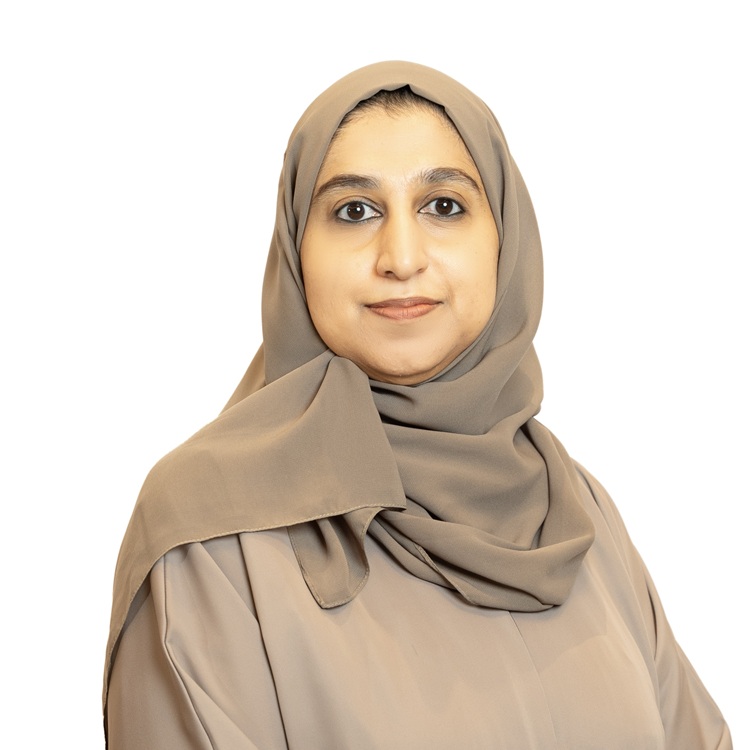
Ibtihal is a strategic leader with 22+ years of experience transforming organizational visions into measurable results. As a senior HR professional currently driving transformation in organizations she works with, she specializes in organizational change, talent development, and data-driven decision making. Her expertise combines strategic workforce planning with people analytics to deliver sustainable growth and innovation. She excels at building high-performing teams while balancing organizational objectives with stakeholder needs in rapidly evolving business environments.
We are delighted that Ibtihal will be speaking in Muscat as part of our Wellbeing at Work Summit Middle East in January. We caught up with her to see how she’s feeling in the runup to the event.
Hi Ibtihal, we are thrilled that you will be joining us at the Wellbeing at Work Summit Middle East in January. Our first and most important question is, how are you doing today?
I’m doing well, thank you for asking. It is an exciting opportunity to contribute to this important conversation about workplace wellbeing in our region. It has become extremely important to address the challenges that organizations are facing today related to wellbeing at work.
As a leader based in the region, what are the main challenges you are facing when it comes to employee wellbeing and mental health?
I think it is important to acknowledge that conversations around wellbeing at work is becoming common in organizations. However, in many organization is stuck in the “awareness” Stage. Organizations are still navigating how to address challenges in wellbeing and integrate them into policy. Another challenge that is facing organizations is the pace of organisational change and employees often feel like they are trying to catch up. What is making it complex is that many leaders still view wellbeing is as an “HR project” rather than a shared leadership responsibility. Until leaders own it, the impact stays limited.
What strategies have you seen developing over the past 6 months, both internally and externally, that are moving the dial on wellbeing in the workplace?
It is important not only to focus on challenges but what organizations are doing to address these challenges, here are some initatives that I thinking enhancing the presence of wellbeing in organizations:
- Using data to understand: organizations are using employee sentiment, pulse surveys, and analytics to identify pressure points instead of relying on assumptions.
- Manager capability building: training leaders in emotional intellegence and wellbeing helps enhance their awarness and capability to address wellbeing challenges.
- Policies around flexible work, psychological safety, and inclusion to ensure different aspects of wellbeing is addresses
Why is employee wellbeing so important to you personally?
As a leader, I have seen how enhancing wellbeing impact performance. When people feel supported, they take better decisions, collaborate more effectively, and enjoy coming to work. And honestly, wellbeing affects the culture far more than any policy. A healthy workplace can lift people; an unhealthy one can break them. I’ve seen both so I choose to push for the first.
What impact is AI having in your organization and how are you managing that?
AI is speeding things up and allow employees to explore areas they once thought it is hard to explore. However, it is also increasing anxiety whether people feel behind if they are not up to the level or through the ambiguity of how they can utilize AI in their daily activity. We manage it by being transparent, investing in upskilling, and showing employees that AI is a tool, not a threat. We’re also training HR teams to use AI responsibly.
Other than AI, are there any challenges that you are seeing for the first time and how are you addressing them?
I think Change Fatigue with its various implications is the most prevalent challenge we are facing today. They’ve been through a big transformation with little time to pause.
To address it, various initiatives were introduced to ensure employees are fully supported:
- Flexible Work: this addresses the various approaches employees can be productive and present. We recently updated our flexible work policy to be more employee friendly and support their needs.
- Skills Development: various talent management project were focused on understanding skills needed and how can we develop them
- Communication: We ensure that the language used is transparant and focus on their need. Continuious communication and employee engagment initatives is focused on raising their spirits and creating a healthy work culture.
What areas do you think employers should be focused on over the next 12 months?
Psychological safety: employees must feel safe to speak openly without fear.
Manager training: 70% of wellbeing issues link back to poor leadership behaviours.
Workload design: ensure workload is addresses and managed.
Skills and adaptability: helping people feel ready for the future reduces anxiety.Continuous feedback mechanisms: real time listening with clear action plans.
Do you feel that investment in employee wellbeing in the region is increasing or decreasing and is that a direct reflection on HR leaders’ increasing ability to demonstrate effective returns of their strategies to leadership?
Investment is increasing, driven by real results seen in how wellbeing is linked with productivity. HR leaders are becoming more aware and working in linking wellbeing metrics to business outcomes such as reduced turnover, improved productivity, engagement results. This will showcase the impact of wellbeing investment and will allow executive leaders to be on board.
How has your organization been leading the way?
We have started in measuring employee satisfaction, wellbeing and happiness in my organization. Following that, an action plan to address the gaps was developed and we engaged leaders to address them.
This helps with leaders be part of the solution and raise their engagement in supporting organizational change & productivity.
Ibtihal will be speaking in Muscat during our Wellbeing at Work Summit Middle East 2026 which takes place in Cairo, Riyad, Muscat and Dubai in January. Click the links below to find out more and book your tickets:
20 January 2026 – Cairo – Click here to find out more and book
22 January 2026 – Riyadh – Click here to find out more and book
27 January 2026 – Muscat – Click here to find out more and book
29 January 2026 – Dubai – Click here to find out more and book