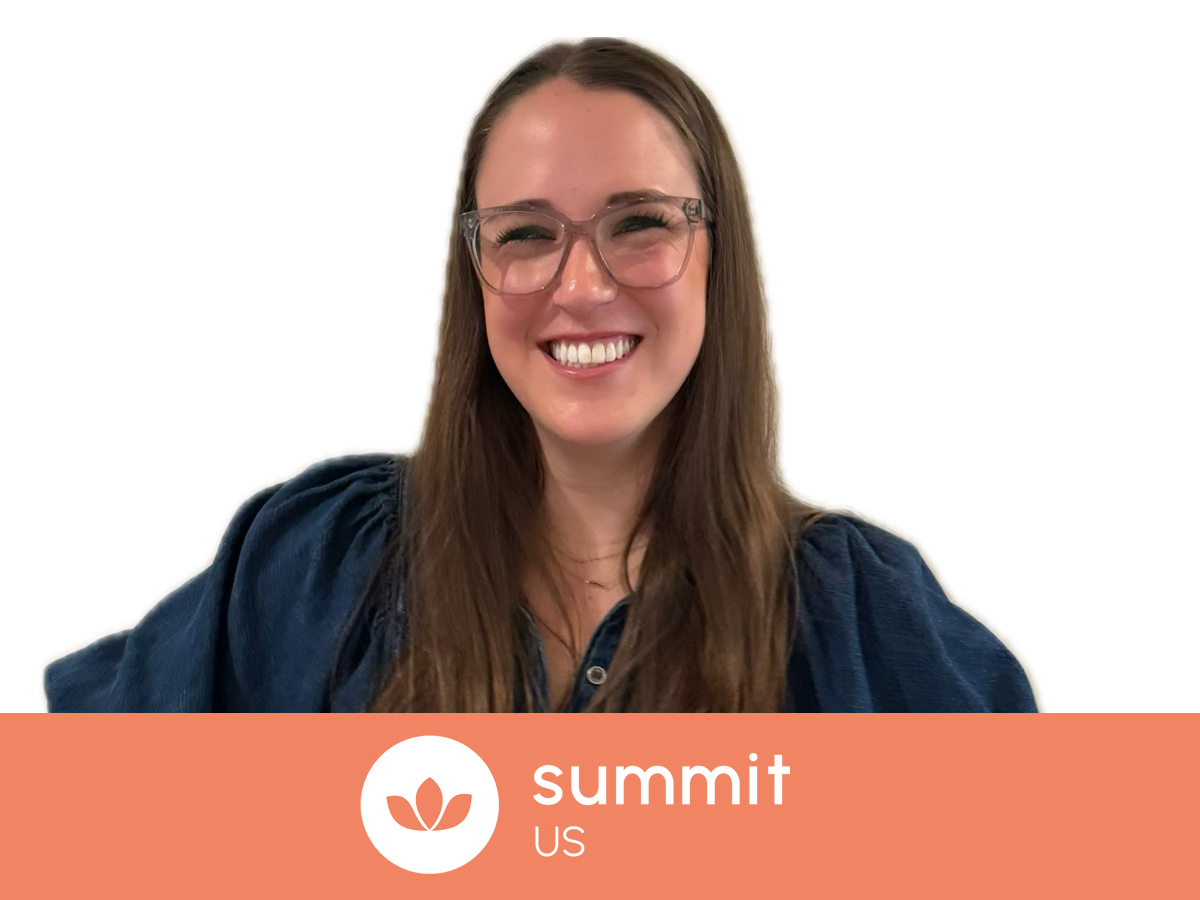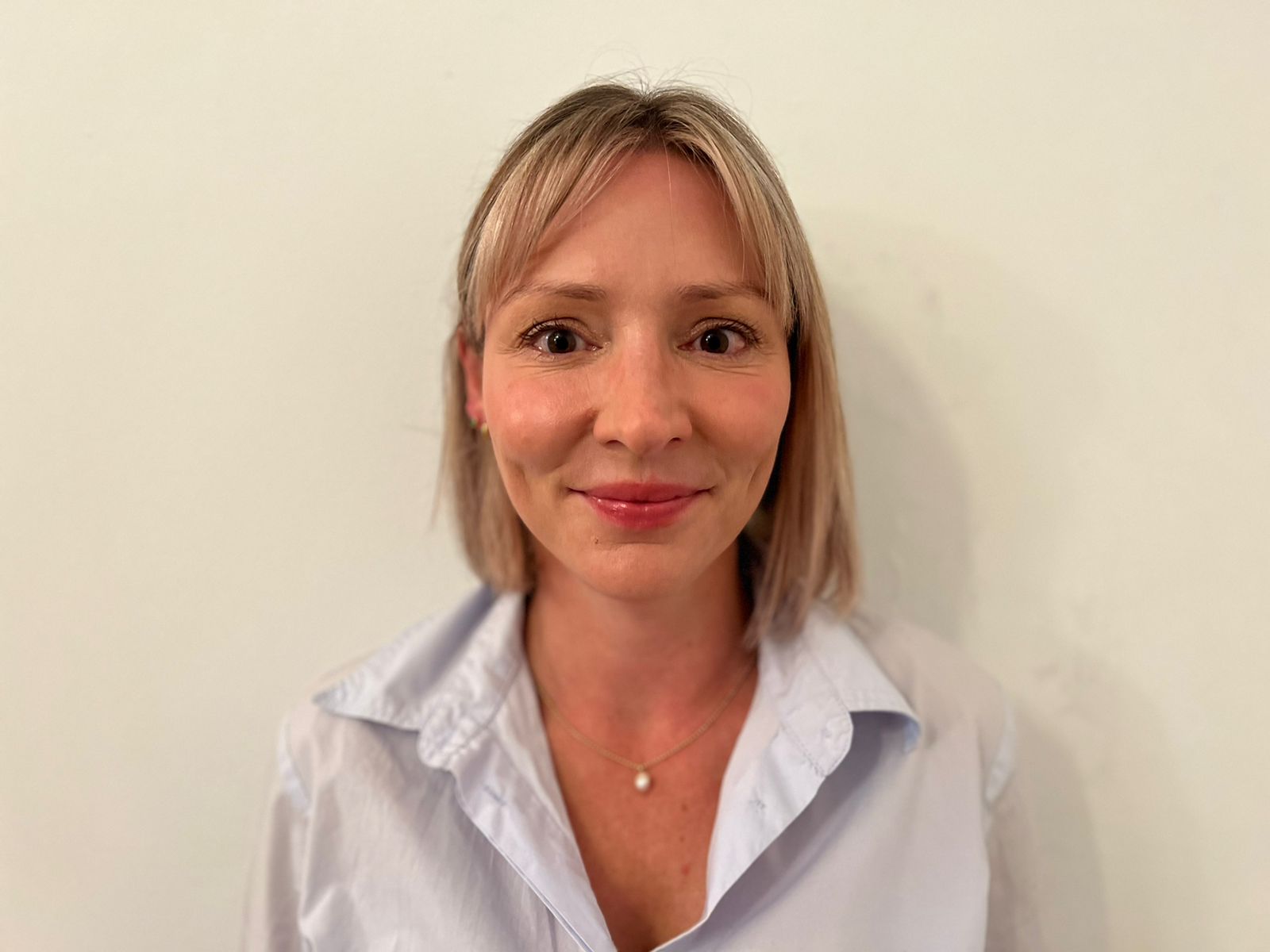
Hannah is an experienced Employee Benefits and General Insurance specialist with a wealth of experience in the global insurance and broking industry across Oman and the GCC. With extensive experience in strategic benefit solutions, Hannah has long partnered with leading employers to enhance workforce wellbeing through tailored risk management and benefit programmes.
Hannah focuses on driving value for organisations by aligning insurance solutions with modern workplace needs, helping companies navigate market trends whilst supporting healthier, more resilient workforces.
We are delighted that Hannah will be speaking in Muscat this week as part of our Wellbeing at Work Summit Middle East. We caught up with her to see how she’s been feeling in the runup to the event.
Hi Hannah, we are thrilled that you will be joining us at the Wellbeing at Work Summit Middle East in January. Our first and most important question is, how are you doing today?
Whilst it is late January which (being British) can feel a little flat after December; I’m in sunny Oman so very happy!
As a leader based in the region, what are the main challenges you are facing when it comes to employee wellbeing and mental health?
There is still an element of cultural stigma around mental health which remains a sensitive topic —many employees are reluctant to discuss personal struggles openly due to fear of judgment or negative career impact which can make early intervention and support difficult. In addition, the diversity of workforce in Oman can make it difficult to tailor wellbeing programmes in culturally sensitive ways
What strategies have you seen developing over the past 6 months, both internally and externally, that are moving the dial on wellbeing in the workplace?
It would be fair to say that mental health isn’t discussed quite as freely in the workplace in the Middle East, but this is starting to change. In Marsh we are assisting our key partners implement dedicated and holistic corporate wellbeing programmes. These are moving far beyond the traditional annual wellbeing hospital check and encompassing healthy eating, a focus on movement and workplace mental health services such as EAP.
Why is employee wellbeing so important to you personally?
Wellbeing is such a hot topic globally now, through social media and education never before have individuals been so well informed around wellbeing and mental health. Its imperative that companies are supporting this shift and recognising that employees have the tools and support to encourage health conversations on wellbeing to avoid burn out, long term absenteeism and employee churn. On a personal level as a qualified yoga instructor its something very close to my heart and I have seen the shifts on both an individual and group level when a focus on wellbeing and health is espoused.
What impact is AI having in your organization and how are you managing that?
Whilst there are massive benefits to be leveraged through AI, in terms of employees automation managing workloads as well as workforces having immediate access to a wealth of wellbeing information and programmes; employers and employees need to be cognizant of the wider ramifications of how too much exposure to tech can play a negative role and ensure boundaries are set around AI / Tech and personal connections are encouraged
Other than AI, are there any challenges that you are seeing for the first time and how are you addressing them?
Whilst it may not be considered ‘new’ external stress bleeding into work has certainly been exacerbated by recent technological advances. Global instability, economic pressure, climate concerns, and social issues are showing up emotionally at work more than ever before and employees are carrying more — even if they don’t talk about it. Companies are addressing it:
- Normalising conversations about external stressors
- Training managers to respond with empathy, not solutions
- Expanding wellbeing support beyond “work-related” issues
- Reinforcing flexibility and compassion in how work is done
What areas do you think employers should be focused on over the next 12 months?
Companies should start focusing less on chasing trends and more on stabilising, humanising and future proofing work. Leadership capability and psychological safety is still the biggest driver of wellbeing engagement and retention so developing emotionally intelligent and inclusive leaders is key to achieving this. It’s also important companies coach and help leaders hold better conversations (feedback, wellbeing, uncertainty)
Do you feel that investment in employee wellbeing in the region is increasing or decreasing and is that a direct reflection on HR leaders’ increasing ability to demonstrate effective returns of their strategies to leadership?
Data and reporting which we have from regional business and HR commentators indicates that organisations across Oman and the wider GCC are planning to increase budgets for employee wellbeing, especially going into 2026. This trend is being driven by companies linking wellbeing more directly to business outcomes like productivity, engagement, and retention, not just wellness as a perk.
However, investment is still sporadic and uneven, and not all organisations are equally successful at securing funding — often because the measurement of ROI or VOI isn’t yet embedded; HR leaders who can demonstrate measurable returns — through data, analytics, and strategic alignment — are the ones most effective at increasing investment and sustaining it.
How has your organization been leading the way?
Much of the wellbeing and employee support thinking at Marsh globally comes through the Mercer Marsh Benefits (MMB) business, which Marsh Oman draws on locally. Marsh’s wellbeing frameworks emphasise physical, mental, social, and financial wellbeing as equally important pillars — and recommend that programmes be designed holistically based on data and employee needs. The company maintains an analytics based approach given the wealth of global insights we can leverage from Marsh/Mercer Marsh Benefits to encourage organisations to use data and listening mechanisms to shape wellbeing strategies that are relevant to specific workforce segments, rather than one-size-fits-all offerings.
Hannah is speaking in Muscat this week as part of our Wellbeing at Work Summit Middle East 2026 which takes place in Cairo, Riyadh, Muscat and Dubai in January. Click the links below to find out more and book your tickets:
20 January 2026 – Cairo – Click here to find out more
22 January 2026 – Riyadh – Click here to find out more
27 January 2026 – Muscat – Click here to find out more and book
29 January 2026 – Dubai – Click here to find out more and book