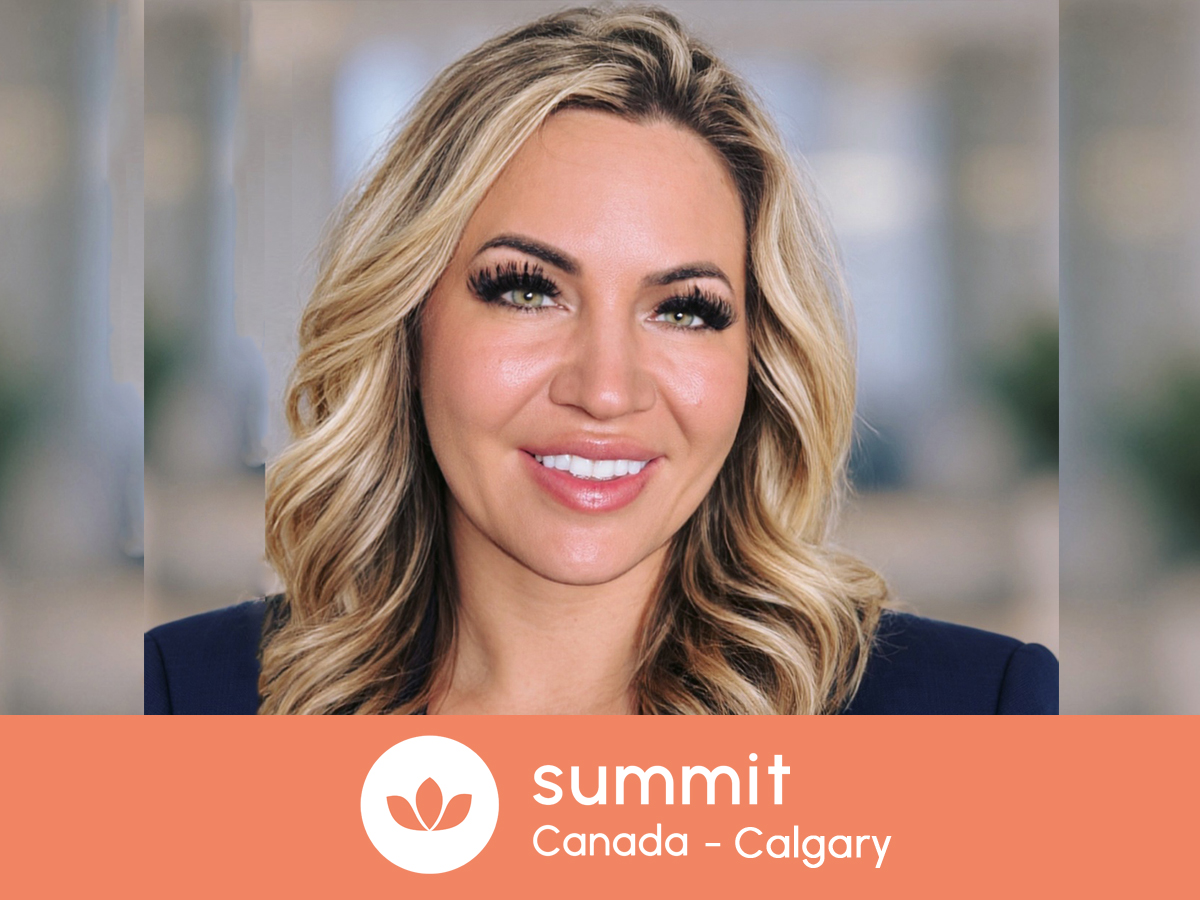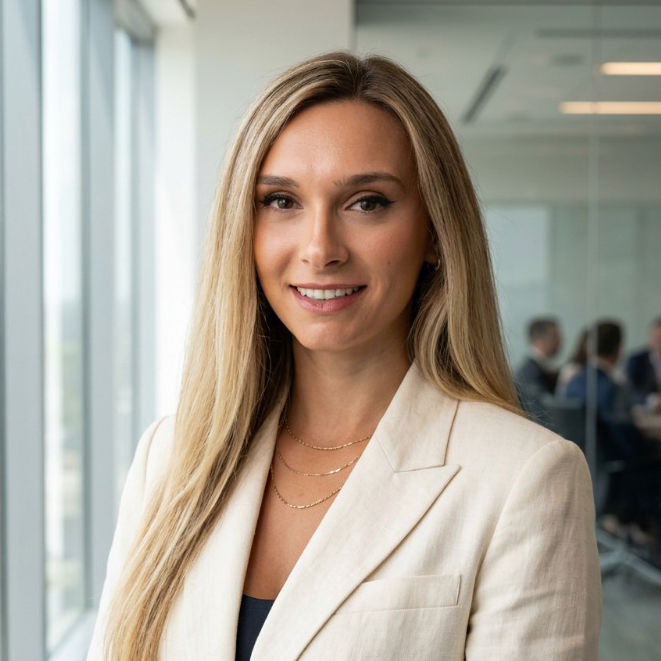
Ester is a senior Human Resources professional with global experience leading people strategy, organizational transformation, and workforce performance in complex, highly regulated industries. As Head of Human Resources for the U.S. operations of a global (re)insurance organization, she partners with executive leadership to drive business growth through talent, culture, and organizational effectiveness. With expertise spanning organizational development, employee engagement, total rewards, compliance, diversity and inclusion, and M&A integration, Ester is recognized for building high-performing, resilient organizations that align people strategy with business objectives.
We are delighted that Ester will be joining our Miami Leadership Panel – “Driving Performance in a Changing World: From Wellbeing to Workforce Advantage” where they will be exploring:
- What leadership behaviours and cultural signals sustain wellbeing and performance in hybrid, AI-enabled workplaces?
- How can wellbeing be embedded as a seamless, data-informed experience across the entire employee lifecycle?
- How do organisations shift from wellbeing provision to building workforce capability, adaptability, and growth?
- How can wellbeing be leveraged as a strategic driver of resilience, retention, and innovation in times of rapid change?
We caught up with her to find out how she’s feeling in the runup to the summit:
Hi Ester, we are thrilled that you are joining us at the Wellbeing at Work Summit in Miami this October. Our first and most important question is, how are you doing today?
Thank you so much for having me. I’m doing really well, and honestly a little energized. October is always a full month for us in HR: we’ve just come through World Mental Health Week, which our team planned together across the US and our international offices, and we’re already deep into year-end planning. It’s busy, but it’s the good kind of busy, because so much of the work right now is about how our people actually feel at work. And like everyone, I try to practice what I preach. My non-negotiable is my run; it’s where I reset and think most clearly.
As a leader based in the region, what are the main challenges you are facing when it comes to employee wellbeing and mental health?
Our biggest challenge is connection. We’re a remote-first organization, with colleagues spread across 22 US states and a parent company in London, plus teams in Dubai, Singapore and Rotterdam and many other locations. Flexibility is a huge benefit, but it also means people can feel isolated, and time zones can quietly stretch the working day. It’s harder to notice when someone is struggling when you don’t see them in the office.
The second challenge is utilization. Most organizations, ours included, already offer valuable resources such as an Employee Assistance Program, but many employees either don’t know what’s available or feel hesitant to use it. Closing that gap between having support and using it is where a lot of my energy goes.
Finally, operating across so many states means managing a constantly shifting landscape of leave and benefits requirements. Keeping support consistent and fair for every employee, regardless of where they live, takes real intention.
What strategies have you seen developing over the past 6 months, both internally and externally, that are moving the dial on wellbeing in the workplace?
The strategy I’ve seen make the biggest difference is peer support. We have a network of Mental Health Navigators, colleagues trained to listen and signpost, and this year we started publishing in-person and virtual “office hours” for them around key awareness days, with time slots for both US and international colleagues. It makes support visible and human.
The second is giving employees a voice. Rather than deciding for our people, we ask them what matters most. Throughout the year, our team members help choose the workshop topics, learning themes and engagement activities in our wellbeing calendar. When people help shape the support they’re offered, they’re far more likely to take part in it and get real value from it.
Third, getting more out of what we already have. Last year we paid an external provider for a wellbeing session; this year we partnered with our PEO’s EAP provider to deliver sessions at no additional cost, on topics like stress management, grief and life transitions, and work-life balance for remote teams. Externally, I see more employers doing the same: fewer new vendors, better activation of existing benefits.
Why is employee wellbeing so important to you personally?
Because I’ve seen what happens when people feel supported, and what happens when they don’t. In HR, you’re often with people during the most significant moments of their lives: a new baby, a health scare, a loss in the family, a job change. How an organization shows up in those moments stays with people for a very long time.
It’s also personal in a broader sense. I co-lead our US Charity Committee in partnership with Race Against Dementia, and that work has reminded me that wellbeing isn’t just about the individual at their desk. It’s about their families, the people they care for, and the pressures they carry outside of work. If we want people to bring their best selves to work, we have to care about the whole person.
What impact is AI having in your organization and how are you managing that?
AI is becoming part of how we do business. We’re building it into the technology behind our underwriting and broker processes. Within HR, where a small team supports a workforce spread across many states, AI has added real capacity. We use it to research state-by-state requirements and analyze our reporting data, which frees up time for the work that needs a human touch. We’re also exploring how it can help us build dashboards and track our key people KPIs more efficiently.
How we manage it matters as much as what we use it for. Our principle is simple: AI supports the work, but people make the decisions. Anything involving an individual employee, whether that’s a sensitive employee relations matter, a health-related conversation, or a performance issue, stays firmly in human hands, and confidentiality comes first.
There’s also a wellbeing angle that I think is often overlooked. Change creates uncertainty, and some employees feel anxious about what AI means for their roles. Being transparent, offering learning opportunities, and framing AI as a tool that removes friction rather than replacing judgement goes a long way.
Other than AI, are there any challenges that you are seeing for the first time and how are you addressing them?
Caregiving is one I’m seeing more of than ever before. More of our employees are supporting aging parents, sometimes while also raising young children, and often from a distance. It’s a quiet pressure that doesn’t always show up in traditional wellbeing programs. We’re addressing it by making sure people know about the eldercare and family support built into our EAP, by normalizing flexibility, and through our partnership with Race Against Dementia, which has opened up conversations that people didn’t always feel comfortable having at work.
The other is financial wellbeing. Cost of living, particularly in markets like Miami, is weighing on people. We’ve responded with a close review of our 401(k) plan, clearer benefits education so employees understand the full value of what they have, and reviewing policies through a fairness lens.
What areas do you think employers should be focused on over the next 12 months?
First, activation over accumulation. Before adding new programs, make sure employees know about, understand and trust the resources you already offer. Clear, repeated, human communication is the most underrated wellbeing strategy there is.
Second, managers. Managers are the front line of wellbeing, especially in remote teams. Equipping them to notice early signs of stress, have supportive conversations, and know where to refer people will do more than almost any new benefit.
third, measurement. Leaders will keep investing in what they can see working. Employers should build simple ways to track participation, sentiment and outcomes, and connect them to retention and engagement.
Fourth, change management. Organizations are changing faster than ever, through new technology like AI, restructuring, growth and new ways of working. Change is one of the biggest drivers of stress at work. When people don’t understand what’s changing, why it matters or how it affects them, uncertainty fills the gap, and that is often when good people start looking elsewhere. Handling change well means communicating early and honestly, involving employees in the process, giving managers the tools to guide their teams through it, and providing the training people need to adapt with confidence. Done well, change management protects wellbeing, builds trust and keeps talent. Done poorly, it can undo years of investment in engagement.
Do you feel that investment in employee wellbeing in the region is increasing or decreasing and is that a direct reflection on HR leaders’ increasing ability to demonstrate effective returns of their strategies to leadership?
From what I’m seeing, investment is holding steady or growing, but it’s becoming much more deliberate. Leadership teams are asking sharper questions about value, and the organizations getting support are the ones that can answer them.
So yes, I think it’s partly a reflection of HR leaders getting better at demonstrating returns, though we still have work to do as a profession. The shift I’ve noticed is moving from “we launched a program” to “here is what changed”: utilization data, post-enrollment and pulse survey results, retention trends, and showing when we’ve delivered more for less. Wellbeing earns its seat at the table when it’s reported with the same rigor as any other business priority.
How has your organization been leading the way?
I’d say we lead through people first, then programs. Our Mental Health Navigator network puts trained, trusted colleagues at the heart of our wellbeing support, and we build our awareness campaigns, collaboratively across our global teams so every colleague, wherever they are, has access to the same care and resources.
We also try to make wellbeing part of how we run the business, not a side initiative. That shows up in employee-led choices about the support we offer, in fairer policies, in clear career frameworks so people can see their future with us, and in giving back through our US Charity Committee and our partnership with Race Against Dementia.
We’re a specialty insurance business, so we understand risk better than most. For me, investing in our people’s wellbeing is one of the smartest ways any organization can manage it.
Ester will be speaking in Miami this October as part of our Wellbeing at Work Summit US. Click the link below to find out more and book your tickets:
https://wellbeingatwork.world/summit/wellbeing-at-work-summit-us-2026-miami/