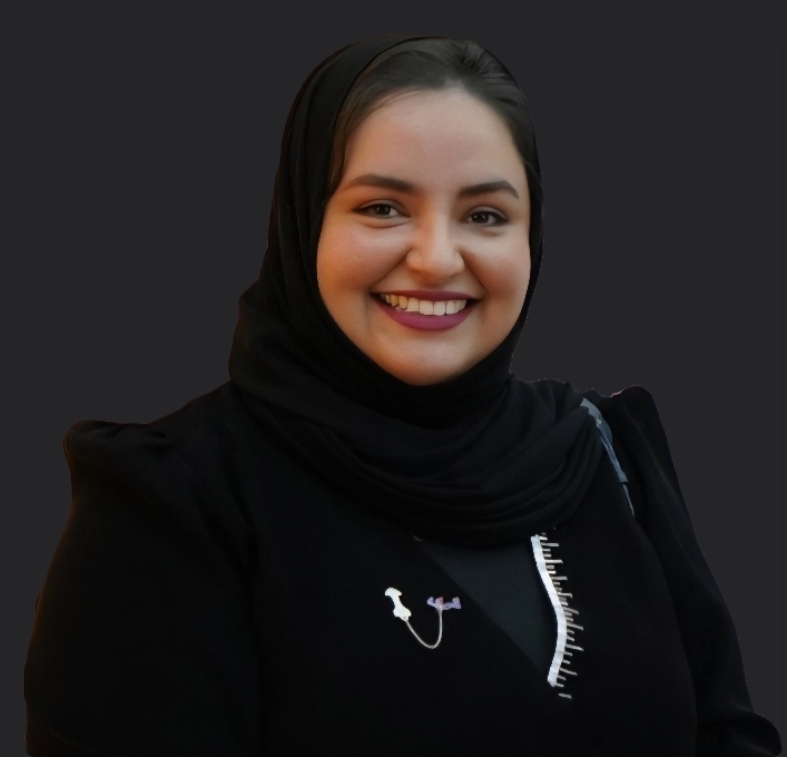
We are delighted that Dr. Reem will be speaking in Muscat as part of our Wellbeing at Work Summit Middle East in January. We caught up with her to see how she’s feeling in the runup to the event.
Hi Dr. Reem, we are thrilled that you will be joining us at the Wellbeing at Work Summit Middle East in January. Our first and most important question is, how are you doing today?
I am doing well, having had adequate rest, and am completing my work while organizing my schedule for the upcoming weeks.
As a leader based in the region, what are the main challenges you are facing when it comes to employee wellbeing and mental health?
The main challenge is; to establish a clear understanding of how prioritizing employee holistic well-being directly contributes to elevated operational efficiency, robust productivity metrics, and the foundational stability required for enduring business sustainability.
What strategies have you seen developing over the past 6 months, both internally and externally, that are moving the dial on wellbeing in the workplace?
The landscape of workplace well-being is undergoing a strategic transformation, moving from discretionary programming toward core business imperatives.
Legislatively, well-being is evolving into a matter of corporate governance as pushes for the Right to Disconnect and mandated psychosocial risk assessments force companies to view mental health as a compliance imperative.
Concurrently, the delivery of support is shifting through AI-Driven Support, replacing generic apps with highly personalized, data-driven platforms that leverage aggregated, anonymous employee data to offer tailored recommendations for sleep, nutrition, and fitness. This is complemented by the rise of Digital Therapeutics providing evidence-based interventions like CBT via mobile apps. Operationally, the model is shifting toward Manager-Led Well-being, where line managers receive intensive training in psychological safety and burnout recognition, making them the primary source of proactive support—a critical move given the profound impact of the manager-employee relationship. Finally, effective strategy demands integrating well-being with Diversity, Equity, and Inclusion (DEI) recognizing that support is not one-size-fits-all and utilizing well-being data to pinpoint and address unique stressors and experience gaps across diverse employee demographics.
Why is employee wellbeing so important to you personally?
Our people are everything. When we care for the well-being and balance of our teams, we are investing in the very heart of our productivity. It is this human investment that doesn’t just drive success today, but builds resilient, healthy communities that can sustain our shared future.
What impact is AI having in your organization and how are you managing that?
Prioritizing AI-Driven Support allows us to transition from standard apps to data-driven platforms that provide hyper-personalized well-being guidance using anonymous employee data. This technological integration enables the deployment of mental health solutions demonstrating clinical impact on par with human consultation, ensuring precise and effective support across the organization.
Other than AI, are there any challenges that you are seeing for the first time and how are you addressing them?
Promoting well-being at the workplace to my community is not an easy task; however, I am utilizing my talent as an Author to write Arabic articles promoting well-being in a wider range of Oman’s public newspapers.
What areas do you think employers should be focused on over the next 12 months?
Manager-Led Mental Well-being, where line managers receive intensive training in psychological safety and burnout recognition, making them the primary source of proactive support in the organization.
Do you feel that investment in employee wellbeing in the region is increasing or decreasing and is that a direct reflection on HR leaders’ increasing ability to demonstrate effective returns of their strategies to leadership?
While investment is rising in the Middle East and HR leaders are engaged, the critical drive for promoting workplace well-being, particularly from the perspective as an Occupational Physician, originates with the academically trained Occupational Health and Safety (OHS) departments.
How has your organization been leading the way?
We have successfully initiated a robust collaboration with pioneering well-being experts from the UK, Europe, and Canada. This strategic partnership is focused on experience and tool sharing to significantly enhance the region’s understanding and legislative framework governing well-being at work.
Dr. Reem will be speaking in Muscat during our Wellbeing at Work Summit Middle East 2026 which takes place in Cairo, Riyad, Muscat and Dubai in January. Click the links below to find out more and book your tickets:
20 January 2026 – Cairo – Click here to find out more and book
22 January 2026 – Riyadh – Click here to find out more and book
27 January 2026 – Muscat – Click here to find out more and book
29 January 2026 – Dubai – Click here to find out more and book