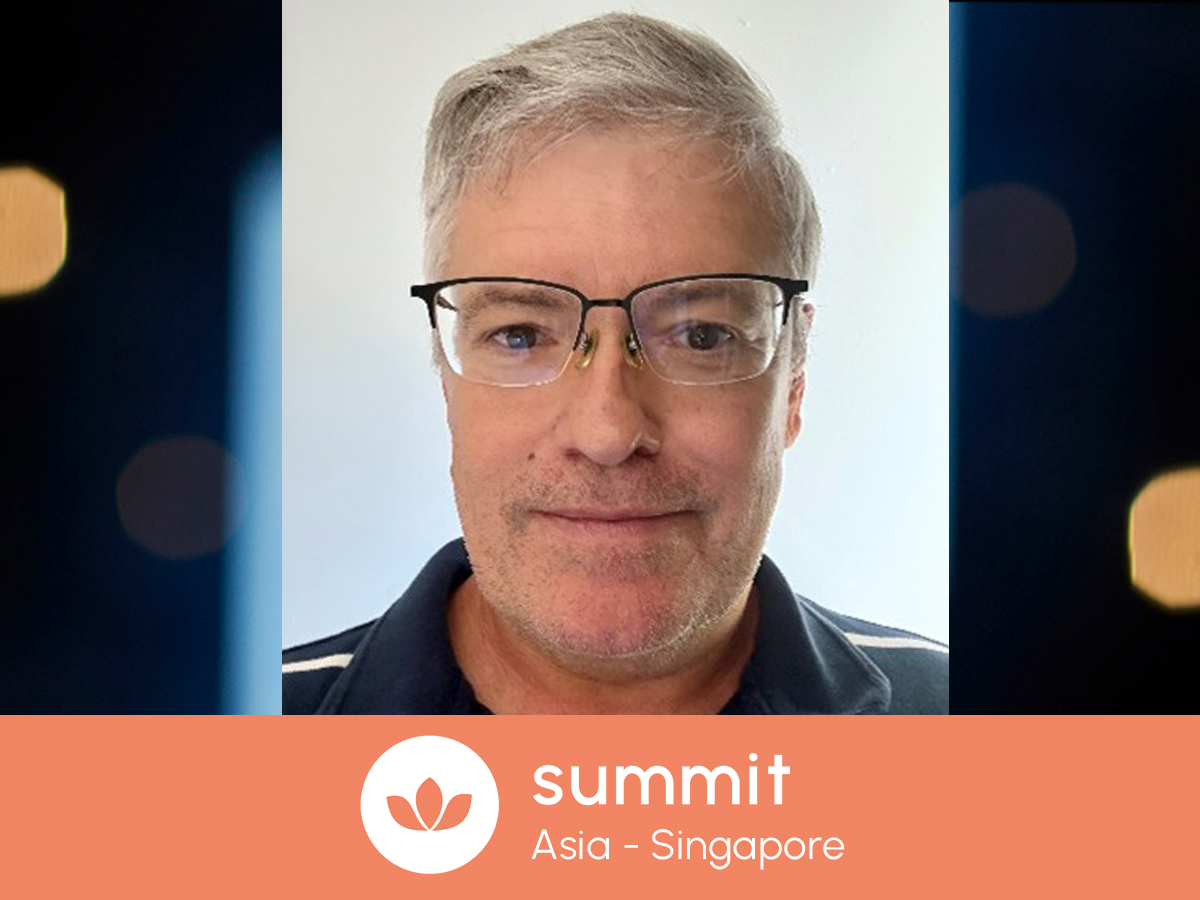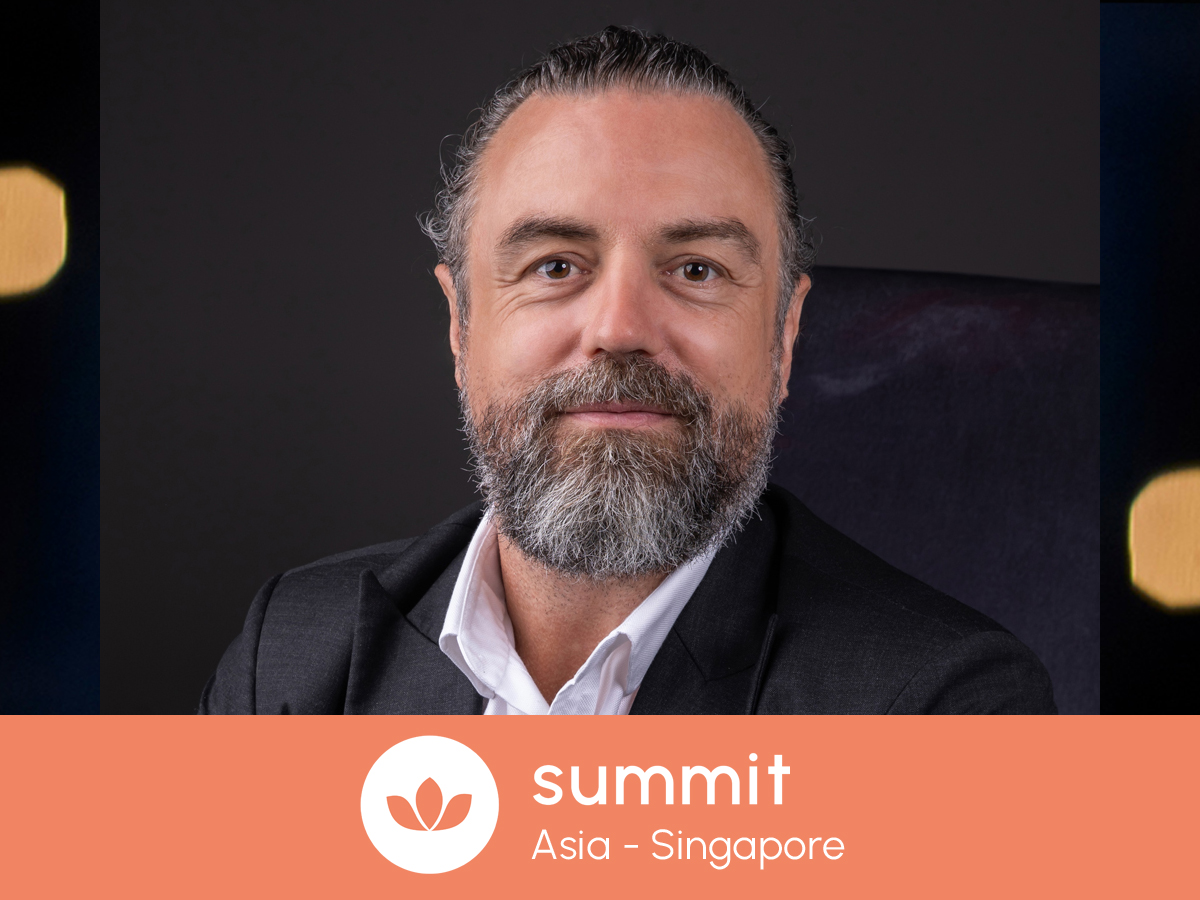
We are delighted that Christy will be speaking in Singapore as part of our Wellbeing at Work Summit Asia this April. We caught up with her to see how she’s feeling in the runup to the event.
Hi Christy we are thrilled that you will be joining us at the Wellbeing at Work Summit Asia in April. Our first and most important question is, how are you doing today?
I’m doing well, thank you. It has been an exciting time for me professionally as I currently lead People & Culture transformation across multiple markets in Asia.
In my role, I work closely with leadership teams across Singapore, Malaysia, China, and Hong Kong to align people strategies with business growth. At the same time, wellbeing has become an increasingly important topic in leadership conversations, and I’m glad to see more organisations recognising that sustainable performance must start with healthy and engaged employees.
As a leader based in the region, what are the main challenges you are facing when it comes to employee wellbeing and mental health?
One of the biggest challenges is balancing high performance expectations with sustainable work practices. Many organisations in Asia are still navigating fast business growth, which can sometimes create pressure on employees.
Another challenge I often see is cultural differences across markets. Having worked across Asia, the UK, and the US, I’ve seen that wellbeing cannot be approached with a one-size-fits-all strategy. Leaders need to understand local expectations, communication styles, and support systems to create initiatives that genuinely resonate with employees.
What strategies have you seen developing over the past 6 months, both internally and externally, that are moving the dial on wellbeing in the workplace?
Many companies are embedding wellbeing into leadership development programmes, performance management conversations and organizational culture initiatives.
In my current organisation, we have focused on building a stronger culture of accountability, ownership, and open communication, which creates a healthier working environment where employees feel more supported and empowered.
Why is employee wellbeing so important to you personally?
For me, this belief comes from my experience working across many industries including hospitality, technology, and real estate investment.
In these sectors, I have seen firsthand that when employees feel supported and valued, they naturally deliver better service, stronger collaboration, and higher performance.
As HR leaders, our role is not just to manage policies. It is to create an environment where people feel supported, valued, and trusted, they bring their best energy and ideas to work. For me, wellbeing isn’t just about programmes. It’s about building a culture where people feel they belong and can grow.
What impact is AI having in your organisation and how are you managing that?
AI is increasingly influencing how organisations operate, particularly in areas like data analysis, workflow automation, and decision support.
From a people perspective, the most important thing is helping employees understand how technology enhances their work rather than replaces it.
In many organisations, the conversation has shifted toward skills transformation and adaptability. Leaders must create opportunities for employees to develop new capabilities so they feel confident navigating technological change
Other than AI, are there any challenges that you are seeing for the first time and how are you addressing them?
One challenge I see emerging is what I call “change fatigue.”
Over the past few years, employees have gone through rapid changes in the workplace with digital transformation, new work models, and evolving expectations from employers.
As leaders, we must be more intentional in creating clear communication, trust, and psychological safety, so employees feel supported through these transitions.
What areas do you think employers should be focused on over the next 12 months?
I believe there are three priorities:
First, leadership capability – Managers have the greatest influence on employees’ daily wellbeing.
Second, sustainable performance systems – Organisations must design performance frameworks that drive results while maintaining employee engagement.
Third, culture and belonging – Employees today want to feel connected to the organisation’s purpose and values.
Do you feel that investment in employee wellbeing in the region is increasing or decreasing and is that a direct reflection on HR leaders’ increasing ability to demonstrate effective returns of their strategies to leadership?
Yes, I do believe investment is increasing, but organisations are becoming more strategic about it.
Senior leadership teams now want to understand how wellbeing initiatives contribute to employee engagement, retention, and organisational performance.
As HR leaders, we need to demonstrate that wellbeing is not just a benefit programme which is a key driver of long-term business success.
How has your organisation been leading the way?
In my current organisation, we are working to embed wellbeing into our broader people and culture transformation.
We have been focusing on building a strong performance culture while also encouraging open communication and trust between leaders and employees.
By aligning leadership behaviours, performance expectations, and organisational values, we aim to create a workplace where people feel supported to perform at their best.
Christy is speaking in Singapore as part of our Wellbeing at Work Summit Asia 2026 which takes place in Hong Kong, Singapore and Bengaluru this April. Click the links below to find out more and book your tickets:
April 23 2026 – Hong Kong. Click here to find out more and book your tickets
April 28 & 29 2026 – Singapore. Click here to find out more and book your tickets
April 20 2026 – Bengaluru. Click here to find out more and book your tickets