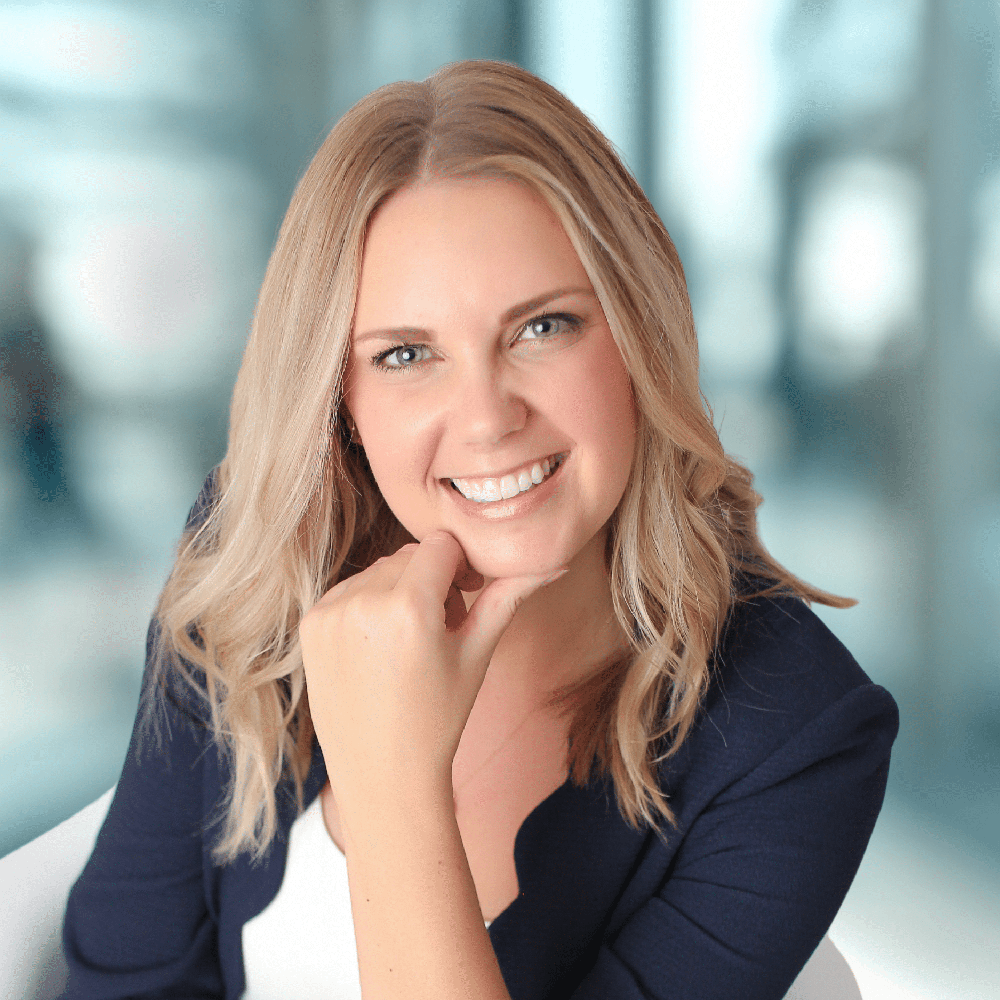
Leah is Vice President, Human Resources at Tundra Oil & Gas, where she leads people strategy, culture, and communications. With over two decades of HR leadership experience across industries such as aviation and energy, Leah has built a reputation for guiding organizations through growth and transformation while strengthening trust, performance, and leadership capability. Leah believes that organizations perform at their best when people feel heard, trusted, and equipped to succeed. She is particularly passionate about rethinking wellbeing through an equity lens and designing approaches that reflect the realities of hybrid work, workforce diversity, and through organizational change. We are delighted that Leah will be joining our afternoon panel in Calgary later this month where they will be discussing “Designing Wellbeing With Equity in Mind“. They will be explore:
How do you deliver wellbeing that truly works across hybrid, multi-generational and neurodiverse workforces?
Why are some wellbeing strategies failing to land with today’s workforce?
Where are the biggest gaps in equitable wellbeing outcomes—and what will it take to close them?
How must wellbeing evolve to respond to the uneven impact of AI, automation, and shifting workloads?
We took the opportunity to catch up with Leah to find out how she’s feeling in the run up to the summit:
Hi Leah, we are thrilled that you are joining us at the Wellbeing at Work Summit in Calgary this October. Our first and most important question is, how are you doing today?
I’m doing great. I get to have a conversation about a topic that is increasingly important in the workplace and one I’m genuinely passionate about. So, it’s a pretty good day.
As a leader based in the region, what are the main challenges you are facing when it comes to employee wellbeing and mental health?
We’ve come a long way, but continuing to destigmatize mental illness remains important. We also need to create workplace environments where people can maintain healthy boundaries, manage competing demands and prevent burnout.
For us, accessibility is another important consideration. A significant portion of our employees work in rural communities, so we need to make sure employees and their families can access meaningful mental health resources regardless of where they live or work.
What strategies have you seen developing over the past 6 months, both internally and externally, that are moving the dial on wellbeing in the workplace?
One encouraging shift I’m seeing is a broader definition of wellbeing. It’s not just about what happens when someone is struggling. It’s about how we support people through different stages of life and work.
For example, we’re seeing more men take parental leave and genuinely step away from work to prioritize their families. We’re also seeing more thoughtful approaches to supporting birth parents through recovery, leave and reintegration into the workplace.
And in mental health, continuing to expand both the benefits and the range of providers available increases accessibility and gives employees and their families more choice in getting the support that works for them.
Why is employee wellbeing so important to you personally?
I don’t believe wellbeing and high performance are competing priorities. In fact, I think the opposite is true. When people feel psychologically safe, supported and able to be themselves at work, they’re better positioned to perform, contribute and create value. To me, wellbeing is fundamental to both a positive employee experience and sustained business performance. Ultimately, a healthy workforce contributes to a healthy balance sheet.
What impact is AI having in your organization and how are you managing that?
We’re approaching AI with a sense of curiosity and opportunity. We like to think of it as giving employees a really capable junior assistant. It can help with some of the foundational work so employees can spend more of their time on the areas that require judgment, relationships, creativity and critical thinking.
For me, the opportunity is not simply to use AI to do more. It’s to use it thoughtfully so people can spend their time on the work where they add the most value.
Other than AI, are there any challenges that you are seeing for the first time and how are you addressing them?
I wouldn’t actually characterize AI primarily as a challenge. I see it as an important tool for improving effectiveness.
A challenge I am paying closer attention to is cumulative change fatigue. Employees are navigating changing expectations, new technology, economic uncertainty and a faster overall pace of work. Often, it’s not one major event that creates strain. It’s the accumulation of many things over time. That puts an even greater responsibility on leaders to create clarity, prioritize effectively, communicate openly and recognize when the organization needs to absorb change before adding more.
What areas do you think employers should be focused on over the next 12 months?
I think we should pay attention to three things:
First, leadership capability. We need to equip leaders to recognize when people are struggling, create psychologically safe environments and have meaningful conversations about wellbeing.
Second, sustainable performance. We should be asking ourselves whether we’re designing work in a way that allows people to perform at a high level without continuously operating at an unsustainable pace.
And third, accessibility and personalization. Employees have different needs depending on their life stage, family circumstances, location and individual experience. The more flexibility and choice we can provide in how people access support, the more meaningful our wellbeing strategies will become.
Ultimately, I think the next evolution of workplace wellbeing is moving from programs around the edges of work to thinking about how work itself is designed and led.
Do you feel that investment in employee wellbeing in the region is increasing or decreasing and is that a direct reflection on HR leaders’ increasing ability to demonstrate effective returns of their strategies to leadership?
I believe it’s increasing, and HR advocacy has certainly played a role. But I don’t think wellbeing is owned by HR alone. I’m fortunate to work with executives and leaders who also advocate for employee wellbeing because they see the connection to engagement, performance and organizational health.
The more we can connect wellbeing strategies to business outcomes, rather than positioning them simply as employee programs, the more sustainable that investment becomes.
How has your organization been leading the way?
We’ve taken a comprehensive approach that combines meaningful benefits, accessible resources, education and leadership.
For years, we’ve provided employees and their dependants with a $5,000 annual mental wellbeing benefit. We offer quarterly mental resiliency webinars tailored specifically to our workforce, covering timely issues such as change fatigue, burnout and how to support others.
Accessibility is particularly important to us because many of our employees work in rural communities, so we’ve expanded our approved mental health providers to help employees and their families find support where they live.
We also intentionally connect wellbeing with safety. We talk about it as part of our safety program and have brought in exceptional speakers to help reinforce the importance of mental health and wellbeing.
But perhaps most importantly, we try to walk the talk. Programs and benefits matter, but culture is created in everyday interactions. We expect our leaders to create an environment where people can raise concerns, ask for help and work together to find solutions.
Leah will be speaking in Calgary this October as part of our Wellbeing at Work Summit Canada which take place in both Toronto and Calgary. Click the links below to find out more and book your tickets:
Toronto Summit October 20: Find out more and Book Your Toronto Tickets Here
Calgary Summit October 22: Find out more and Book Your Calgary Tickets Here