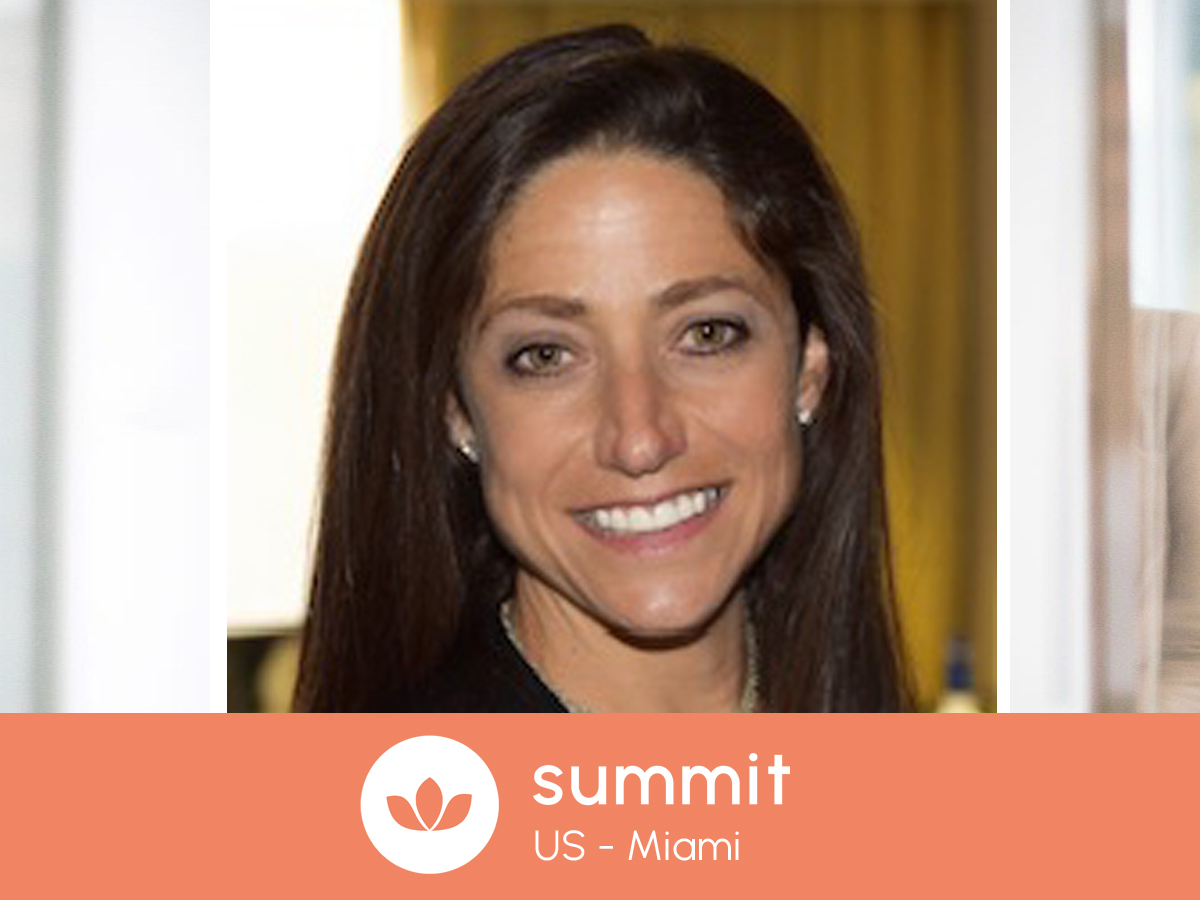
Dr Kathy Chow holds a medical degree from the Chinese University of Hong Kong and she is a family physician by training. She is a Fellow of the Royal Australian College of General Practitioners and the Hong Kong College of Family Physician.
Based in Hong Kong, Dr Chow is Bupa Global’s Head of Clinical Operations, with a specialised focus on APAC. Her team composed of highly experienced clinical case managers and care coordinators located in Hong Kong, China, and Singapore. The team plays a vital role in supporting BG’s members, particularly during complex or high-stress moments in their healthcare journey.
We are delighted that Kathy will be speaking in Hong Kong as part of our Wellbeing at Work Summit Asia this April. We caught up with her to see how she’s feeling in the runup to the event.
Hi Kathy we are thrilled that you will be joining us at the Wellbeing at Work Summit Asia in April. Our first and most important question is, how are you doing today?
I’m feeling energised and honoured with the opportunity to collaborate with such a forward-thinking and like-minded community on workplace wellbeing. It’s wonderful to be part of these important conversations.
As a leader based in the region, what are the main challenges you are facing when it comes to employee wellbeing and mental health?
The region’s workforce notoriously has high burnout and stress rates driven by the intense workplace culture: long hours and high-stress environments particularly in competitive markets like Singapore, Hong Kong, and Japan, which exacerbate mental health issues.
At the same time mental health issues remains a taboo here, making open dialogue challenging; the stigma associated also inhibits employees from seeking professional help.
From the organisation perspective, there result in high turnover rate, productivity loss, lower engagement and increased healthcare expenses.
What strategies have you seen developing over the past 6 months, both internally and externally, that are moving the dial on wellbeing in the workplace?
There’s a fantastic momentum towards holistic wellbeing, with organisations broadening their support to include mental, financial and physical health.
Increasing adoption of single digital platform for telemedicine, EAP, preventive screening and wellness tools, which integrates health, mental wellbeing and employee benefits into one cohesive experience. This helps employees to easily find the support they need under one stop shop.
The introduction of wellbeing ambassadors in more and more organisation also plays a key role in motivating colleagues to prioritize their health and providing a safe space for open conversations, helping to build a supportive and thriving workplace culture.
Why is employee wellbeing so important to you personally?
Employee wellbeing truly matters to me because as a people manager, I’ve seen first-hand how it can transform lives, both inside and outside of work.
We spend a significant part of our lives at work, and I believe every individual should feel safe, valued and empowered in their workplace. When people are happy and healthy, they’re more engaged, productive and bring their best selves to whatever they do.
For me, it’s about nurturing an environment where everyone can be themselves and flourish—this is the foundation for long-term success, both for individuals and organisations.
AI is starting to have a meaningful impact on how we think about productivity, decision-making, and the way work is structured. It helps streamline routine tasks and enabling teams to focus more on higher-value work.
I lead a regional team consists primarily of clinicians; the team presence spans across key markets like Hong Kong, Singapore and Beijing, our key focus is to support members with complex healthcare needs on their treatment journey, like issuing pre-authorisation, liaising with providers.
In recent years, Bupa Global has poured in significant system enhancement allowing more automation in the case triage and care coordination process.
This offers the possibility to free our clinicians from various administrative tasks and give them back time on member engagement, an exciting step forward in delivering truly personalised care and making a meaningful difference to our customers’ wellbeing.
Other than AI, are there any challenges that you are seeing for the first time and how are you addressing them?
Employees’ expectations around wellbeing continue to evolve.
People now look for more than just traditional benefits – they want holistic support.
Issues like obesity, diabetes, sleep disorders and musculoskeletal concerns are among the top health claims, and the real challenge is encouraging long-term lifestyle change.
We’re focusing on education, engagement and sustained support, moving away from quick fixes towards lasting wellbeing improvements that move the needle.
What areas do you think employers should be focused on over the next 12 months?
From my day-to-day work, I can see that healthcare is becoming more proactive and continuous; there is a sharper focus on early intervention and managing conditions before they escalate. Our data indicates that customers are engaging with us earlier and more often
To align with this dynamic shift in mindset, employees should aim to provide continuous support rather than only intervening when problems arise. Addressing high claim areas such as nutrition, promoting physical activity, offering flexible benefits that encourage a healthy lifestyle, and ensuring access to preventative health services are vital.
Managing workloads, training leadership in empathy, reducing unnecessary meetings, and setting clear boundaries for hybrid working are all crucial steps.
By integrating support for both physical and mental wellbeing in their strategies over the next 12 months, employers can build a resilient, motivated, and engaged workforce.
Do you feel that investment in employee wellbeing in the region is increasing or decreasing and is that a direct reflection on HR leaders’ increasing ability to demonstrate effective returns of their strategies to leadership?
Investment in wellbeing is absolutely on the rise. Recent surveys show that 50% of companies in the region are allocating 4% or more of their benefits budget to wellbeing programmes, an 27% increase since 2020.
Rather than simply increasing budgets, companies are reallocating existing spend towards more effective, high-value initiatives, e.g. comprehensive caregiver leave and women’s health.
These are clear signs that wellbeing is now a strategic priority, and business leaders are playing a vital role in demonstrating the tangible returns these investments deliver.
How has your organisation been leading the way?
At Bupa Global, we position ourselves as a true healthcare partner for our customers around the world, championing holistic wellbeing. Our health plans offer extensive cover, including mental health support and preventive care management.
Employees benefit from convenient, digital access to care through services such as EAPs and Global Virtual Care, enabling support anytime, anywhere. We also provide tailored support through dedicated wellbeing engagement specialists, ensuring the programmes are impactful and relevant for corporates and large SMEs. We’re passionate about setting the standard for comprehensive wellbeing in the workplace.
Kathy is speaking in Hong Kong as part of our Wellbeing at Work Summit Asia 2026 which takes place in Hong Kong, Singapore and Bengaluru this April. Click the links below to find out more and book your tickets:
April 23 2026 – Hong Kong. Click here to find out more and book your tickets
April 28 & 29 2026 – Singapore. Click here to find out more and book your tickets
April 20 2026 – Bengaluru. Click here to find out more and book your tickets