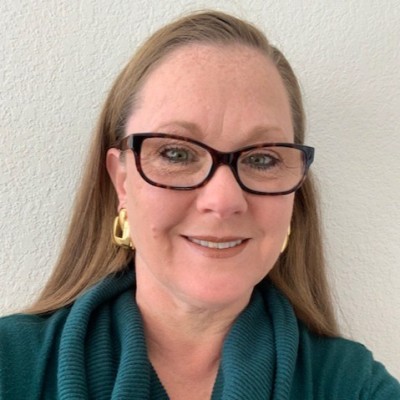
Wendy Macias is a seasoned global benefits executive with extensive experience leading complex, large-scale employee benefits programs across the Americas and worldwide. She currently serves as Director of Global Benefits at Dropbox, where she oversees strategy, design, governance, and delivery of benefits that support a globally distributed, Virtual First workforce.
At Dropbox, Wendy has played a key role in evolving benefits to meet the needs of a distributed workforce, focusing on the full spectrum of employee needs, including physical health, mental and emotional wellbeing, financial security, work flexibility, and individual life circumstances. Her work has received external recognition, including Dropbox being named a WellBeyond Award winner for Global Wellbeing, where she represented the company and shared its thoughtful, people-centered approach to benefit design.
Prior to Dropbox, Wendy held senior benefits leadership roles at VMware, Agilent Technologies, and Varian, where she led large, multi-country benefits programs across the Americas and internationally.
Known for her integrity, strategic leadership, and collaborative approach, Wendy is deeply committed to building benefits programs that are sustainable, well-governed, and aligned with the evolving needs of employees and the business.
We are delighted that Wendy will be speaking in New York as part of our Wellbeing at Work Summit US this March. We caught up with her to see how she’s feeling in the runup to the event.
Hi Wendy, we are thrilled that you will be joining us at the Wellbeing at Work Summit US in March. Our first and most important question is, how are you doing today?
I am doing well, thank you for asking. Like many leaders, I am balancing a full agenda, but I feel energized by the work we’re doing at Dropbox and optimistic about the progress we are making in how organizations think about wellbeing. One of our company core values is to Make Work Human, and wellbeing is at the center of it.
As a leader based in the region, what are the main challenges you are facing when it comes to employee wellbeing and mental health?
One of the biggest challenges is addressing burnout in a sustained way, not just during moments of crisis. Employees are navigating ongoing uncertainty and heavy workloads. As a Virtual First company, which means we’re primarily remote, boundaries can blur more easily between work and personal life, and we have to be intentional in how we structure our time and protect our focus. Leaders are also under these same pressures, and that stress can cascade into teams if not addressed proactively.
What strategies have you seen developing over the past 6 months, both internally and externally, that are moving the dial on wellbeing in the workplace?
I have seen a shift from one-size-fits-all programs to more personalized, flexible approaches. From a way-of-working standpoint, we firmly believe that no one working model fits every organization, and true success comes from finding what works best for you. We operate as a Virtual First company, which is not remote-only or hybrid, but a blend of the best of all worlds. This works best for us and creates the most work-life balance, while still fostering an innovative and supportive culture for our employees, all while delivering for customers. Organizations are also investing more in manager capability, practical workload management, and mental health resources that are easier to access and provide even more support to employees.
Why is employee wellbeing so important to you personally?
I have seen firsthand how wellbeing directly impacts performance, engagement, and retention. More importantly, it affects people’s lives beyond work. When organizations take wellbeing seriously, it sends a message that employees are valued as people first, not just contributors to the bottom line.
What impact is AI having in your organization and how are you managing that?
This is a pivotal moment for our company as we navigate the AI revolution, and we’re investing significant time and energy into this space both on the technology and people side. AI is creating both excitement and anxiety. It has the potential to reduce administrative burdens and improve decision-making, but it also raises concerns about job security, skills, and trust. We are focusing on transparency, clear governance, and upskilling so employees understand how AI is being used and how it can support their work, rather than replace it. We believe AI has the power to create real capacity for our teams, but the true impact comes from what we invest in with this new capacity.
Other than AI, are there any challenges that you are seeing for the first time and how are you addressing them?
One emerging challenge is the evolving needs and expectations of employees. Employees want flexibility, purpose, and support, yet those priorities vary widely across individuals and life stages. We are responding by offering more choice and listening more closely to employee feedback in order to provide the strongest support possible.
What areas do you think employers should be focused on over the next 12 months?
Employers should focus on sustainable workloads, manager effectiveness, and mental health support embedded into everyday work. Data-driven insights, clear communication, and trust will be critical, especially as organizations continue to evolve in the modern workplace.
Do you feel that investment in employee wellbeing in the region is increasing or decreasing and is that a direct reflection on HR leaders’ increasing ability to demonstrate effective returns of their strategies to leadership?
Overall, I see investment becoming more targeted rather than simply increasing or decreasing. HR leaders need to clearly demonstrate impact, linking wellbeing initiatives to outcomes like retention, productivity, and engagement. Targeted mental health programs, counseling and coaching, and virtual on-demand support are increasingly assessed through metrics, resulting in more data-driven decisions and aligning to measurable business priorities.
How has your organization been leading the way?
Our organization has focused on embedding wellbeing into our broader People team strategy rather than treating it as a standalone initiative. We prioritize listening to employees, equipping managers with the proper tools and guidance, and continuously evolving our programs based on data and feedback. This approach helps ensures that wellbeing efforts are sustainable and meaningful.
Wendy is speaking in New York as part of our Wellbeing at Work Summit US 2026 which takes place in New York and Austin this March, followed by Chicago and Los Angeles in May. Click the links below to find out more and book your tickets:
March 3 – New York – Click here to find out more and book
March 5 – Austin, TX – Click here to find out more and book
May 5 – Chicago – Click here to find out more and book
May 7 – Los Angeles – Click here to find out more and book