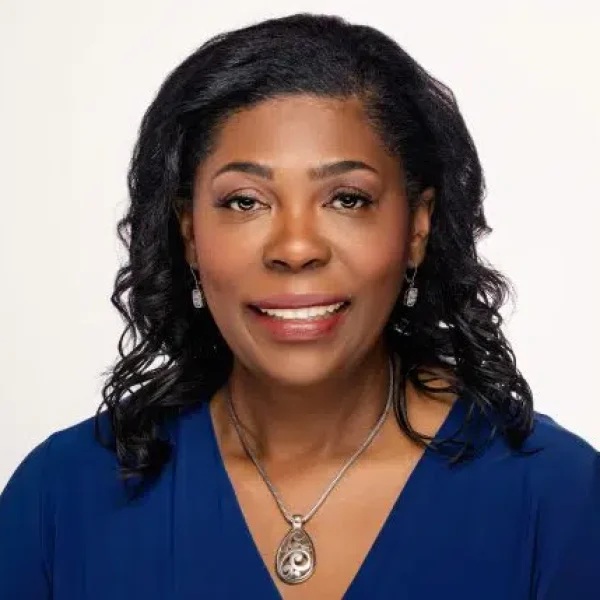
We are delighted that Emma will be speaking in New York as part of our Wellbeing at Work Summit US this March. We caught up with her to see how she’s feeling in the runup to the event.
Hi Emma, we are thrilled that you will be joining us at the Wellbeing at Work Summit US in March. Our first and most important question is, how are you doing today?
I’m doing wonderfully, thank you for asking! I’m energized and deeply grateful to be part of this Summit. As a nurse-CEO who has spent over 35 years in healthcare, I wake up every day knowing that the work we do at Gentle Shepherd Care directly transforms the lives of families navigating some of the most vulnerable seasons of their loved ones’ lives. That sense of purpose keeps me fueled. I’m also excited because we’re at a pivotal moment — employers are finally starting to recognize that supporting employees who are also family caregivers isn’t just compassionate, it’s a business imperative.
As a leader based in the region, what are the main challenges you are facing when it comes to employee wellbeing and mental health?
The biggest challenge I see is the invisible crisis of the sandwich generation — the millions of working adults simultaneously raising children and caring for aging parents. I call myself “the PANINI Woman” because I know this struggle intimately. These employees are burning out silently. They don’t have a diagnosis code for the emotional weight of managing a parent’s Alzheimer’s while showing up to Monday morning meetings. Employers are investing in mental health apps and EAP programs, which is wonderful, but they’re often missing the root cause: the caregiving burden that’s driving the anxiety, the absenteeism, and the quiet disengagement. Until we address eldercare as a core employee wellbeing issue, we’re treating symptoms rather than the source.
What strategies have you seen developing over the past 6 months, both internally and externally, that are moving the dial on wellbeing in the workplace?
I’m seeing a meaningful shift toward what I call “whole-person” benefits design. More companies are beginning to understand that wellbeing isn’t just gym memberships and meditation — it extends into the home, where employees are managing complex care situations for aging loved ones. Externally, there’s growing momentum around caregiver-specific benefits. Insurance brokerages and benefits consultants are starting to include eldercare navigation alongside mental health in their portfolios. Internally at Gentle Shepherd Care, we’ve developed a corporate eldercare program that gives employees direct access to clinical nurse-led assessments, personalized care plans, and an Employee Vault — a secure digital portal where families can organize critical medical, legal, and financial documents before a crisis hits. The companies that are winning the talent war are the ones treating caregiving support as essential infrastructure, not a perk.
Why is employee wellbeing so important to you personally?
Because I’ve lived it. I’m a nurse who built a career across major healthcare systems for over three decades. I’ve seen firsthand what happens when caregivers — both professional and family — are depleted. The quality of care suffers, relationships fracture, and people lose themselves in the process. I founded Gentle Shepherd Care because I believe eldercare is sacred work. It touches the body, mind, and spirit. And when an employee is silently struggling to manage a parent’s Parkinson’s diagnosis or navigate a stroke recovery while trying to keep their job, that suffering ripples through everything — their performance, their health, their family. Supporting employee wellbeing isn’t charity. It’s honoring the whole human being who shows up to work every day carrying more than their job description.
What impact is AI having in your organization and how are you managing that?
AI is becoming a powerful ally in how we deliver care and support families. We’ve implemented Sensi.AI, an audio monitoring technology that uses artificial intelligence to detect changes in a client’s condition — shifts in vocal tone, breathing patterns, movement — that might indicate a fall risk, pain, or cognitive decline. This allows our clinical team to intervene earlier and with greater precision, which is a game-changer in neurological eldercare where conditions like Parkinson’s and Alzheimer’s can change rapidly. We’re also using AI to streamline care documentation and family communication. That said, I’m very intentional about ensuring AI augments the human connection rather than replacing it. Our caregivers are clinically trained nurses and aides who bring compassion and sacred presence to every interaction. AI gives them better data; it doesn’t replace the hand they hold.
Other than AI, are there any challenges that you are seeing for the first time and how are you addressing them?
One challenge that’s intensifying is what I call the “complexity gap.” Families are being discharged from hospitals faster than ever, often with loved ones who have multiple complex conditions — a stroke plus diabetes plus early-stage dementia. Most traditional home care agencies aren’t equipped to manage this clinical complexity, and families are left stranded between hospital discharge and long-term care. At Gentle Shepherd Care, we’ve built our entire model around this gap. Our Continuous Care approach, led by registered nurses with specialized training in neurological conditions, bridges that transition with clinical expertise that most agencies simply don’t offer. Another emerging challenge is employer awareness. Many HR leaders genuinely don’t realize the scale of the caregiving crisis among their workforce because employees aren’t talking about it — they’re afraid it will cost them their careers. We’re addressing this head-on through our corporate lunch-and-learns and educational partnerships.
What areas do you think employers should be focused on over the next 12 months?
Three areas stand out. First, eldercare benefits — not as an afterthought, but as a strategic priority equal to mental health benefits. The demographics are undeniable: 53 million Americans are family caregivers, and that number is only growing as our population ages. Second, proactive crisis planning. Most families don’t organize critical documents or discuss care preferences until an emergency forces them to. Employers can be the catalyst for preparedness by offering tools like our Employee Vault, where families can securely store medical directives, insurance information, legal documents, and care plans before they’re needed. Third, manager training. Frontline managers are often the first to notice an employee struggling, but they rarely have the language or resources to help. Equipping managers to recognize caregiver stress and connect employees with support is one of the highest-impact, lowest-cost investments a company can make.
Do you feel that investment in employee wellbeing in the region is increasing or decreasing and is that a direct reflection on HR leaders’ increasing ability to demonstrate effective returns of their strategies to leadership?
Investment is absolutely increasing, and yes, it’s directly tied to HR leaders getting better at speaking the language of the C-suite — ROI, retention, productivity, and risk reduction. Here in the Charlotte region, we’re seeing major employers and healthcare systems recognize that wellbeing initiatives aren’t just feel-good programs; they’re measurable business strategies. For example, our work with hospital systems on readmission reduction demonstrates a clear financial return: when families have clinical eldercare support at home, their loved ones stay healthier and out of the emergency room. That’s a metric a CFO can champion. The HR leaders who are thriving are the ones who’ve moved beyond anecdotal evidence to data-driven storytelling. When you can show that a caregiver support program reduced unplanned absences by a specific percentage or improved retention among your most experienced employees, that changes the conversation from “nice to have” to “need to have.”
How has your organization been leading the way?
Gentle Shepherd Care has served over 3,000 families in the Charlotte region since 2019, and we’ve done it by fundamentally reimagining what eldercare can look like. We’re not a traditional home care agency — we’re a nurse-led clinical care company that specializes in the conditions other agencies refer to facilities: Parkinson’s, Alzheimer’s, stroke recovery, and complex neurological diagnoses. Our proprietary Seven Pathways to Wellness framework addresses the whole person — body, mind, and spirit — and our RejuvenAge program is designed to help aging adults not just maintain but actively improve their quality of life. Now, we’re taking that clinical expertise into the corporate space. Our new employer-facing program gives companies a turnkey eldercare benefit that includes clinical assessments, personalized care navigation, the Employee Vault digital portal, and ongoing family support — all led by registered nurses who understand the medical complexity. We’re proving that eldercare support belongs in the employee benefits conversation, right alongside mental health. That’s the future, and we’re building it.
Emma is speaking in New York as part of our Wellbeing at Work Summit US 2026 which takes place in New York and Austin this March, followed by Chicago and Los Angeles in May. Click the links below to find out more and book your tickets:
March 3 – New York – Click here to find out more and book
March 5 – Austin, TX – Click here to find out more and book
May 5 – Chicago – Click here to find out more and book
May 7 – Los Angeles – Click here to find out more and book