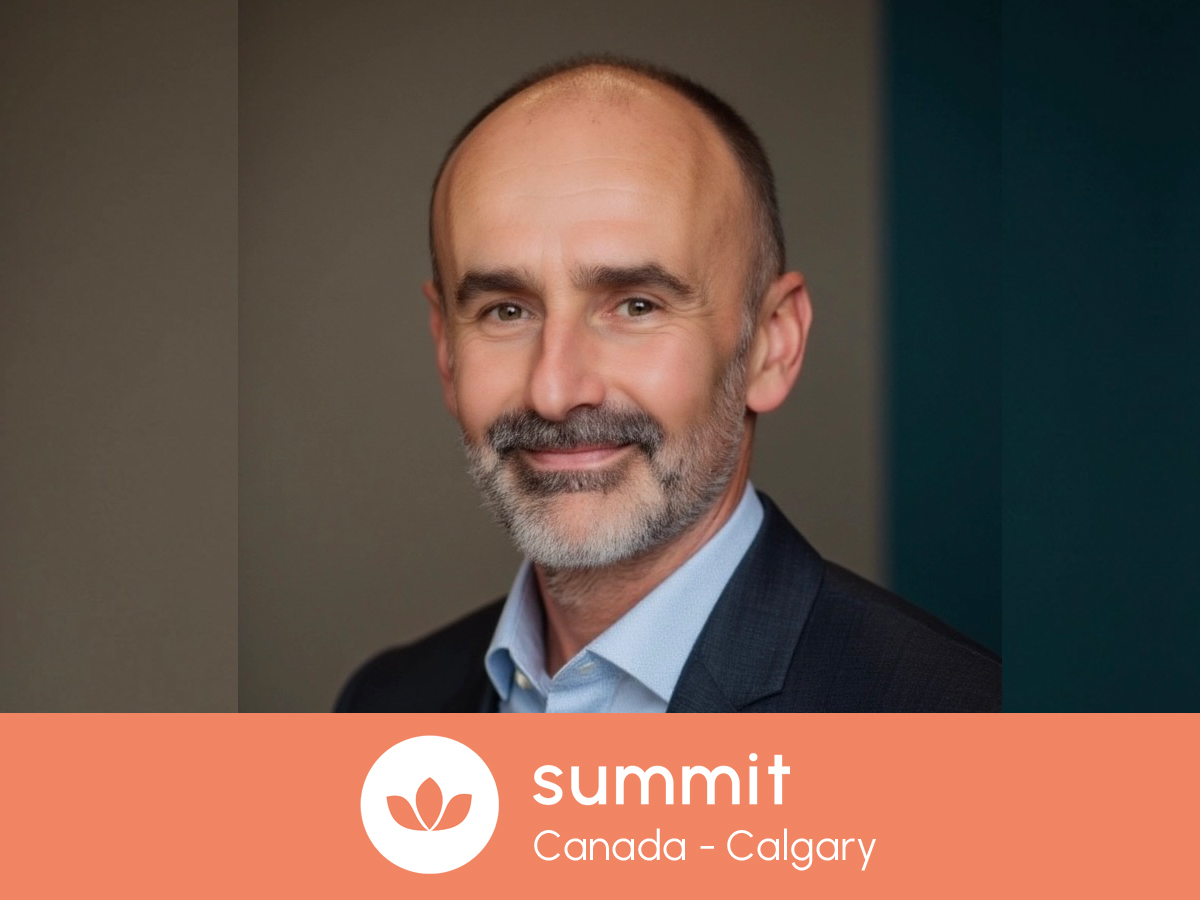
Kristen began her career in recruiting and selection, driven by a passion for helping leaders understand the true requirements of their roles—and the difference between a good candidate and a good candidate for their role. Her early recruiting experience includes positions with Deloitte and Miller Cooper. After nearly a decade recruiting for public accounting, Kristen joined Google, where she focused on scaling hiring processes and global recruiting operations. Her work centered on global change management, operational efficiency, and process design. She later transitioned into compensation and benefits, broadening her expertise across the full employee lifecycle. In 2024, Kristen rejoined Miller Cooper as the firm’s first Chief People Officer, overseeing Recruiting, Learning & Development, Retention, and Culture initiatives. Her focus is on helping the firm scale its culture during a period of rapid organic growth and ensuring a consistent, engaging employee experience across departments and levels. Kristen holds a B.A. in Psychology from Miami University in Oxford, Ohio, and earned a Certificate in Human Resources Management from Washington University in St. Louis. She also maintains her SPHR certification.
We are delighted that Kristen will be speaking in Austin, Texas as part of our Wellbeing at Work Summit US this March. We caught up with her to see how she’s feeling in the runup to the event.
Hi Kristen, we are thrilled that you will be joining us at the Wellbeing at Work Summit US in March. Our first and most important question is, how are you doing today?
I’m doing great! This quarter is bringing me focus and energy.
As a leader based in the region, what are the main challenges you are facing when it comes to employee wellbeing and mental health?
Public accounting brings unique challenges to wellbeing with heavy concentrations of work during peak times. A main challenge is, and will likely continue to be, supporting employees in finding balance throughout the year, throughout their busy times, and ensuring we do enough to support their mental health with those peaks in mind.
What strategies have you seen developing over the past 6 months, both internally and externally, that are moving the dial on wellbeing in the workplace?
I have an increased focus on the micro culture within the firm. The macro culture of the firm is important- policies, benefits, leadership, etc. But, I would argue equally, if not more important, is the micro culture of the firm- your direct team. The manager you’re working with. How we speak to each other. I have increased my focus on the micro cultures within our different offices, departments, and levels and how I can ensure a consistent experience across the firm.
Why is employee wellbeing so important to you personally?
I was a Psychology major and while it’s a basic concept, I can’t help but thinking about Maslow’s hierarchy of needs. If we want to say that self-actualization at work means reaching your full professional potential, then that is not ever going to be possible if the foundational needs of the pyramid aren’t met. I view wellbeing as just that- the foundation to unlocking ability.
What impact is AI having in your organization and how are you managing that?
AI has entered into just about every conversation in every industry. For us, the main focus is looking ahead to see how the skills needed at each level may change with increased AI usage. For instance, do our staff need different skills to operate successfully if work is prepared by AI first? We have to consider how we can train our incoming talent to be prepared for changes, and upskill our current teams.
Other than AI, are there any challenges that you are seeing for the first time and how are you addressing them?
The pace and complexity of change happening simultaneously across workforce expectations, technology, and business models. Historically, HR could plan around relatively stable cycles — hiring, development, performance management. Today, we’re navigating shifting expectations around flexibility, workload balance, career acceleration, AI integration, and evolving leadership capabilities — all at once. The challenge isn’t just managing these individually; it’s balancing them in a way that supports the business while maintaining engagement and performance.
What areas do you think employers should be focused on over the next 12 months?
I think employers need to ensure the focus on AI doesn’t overshadow the importance of our teams. AI will not replace most people, but AI will replace some people who refuse to adapt to it. Change can bring fear and uncertainty. Depending on the industry, AI may be seen as a threat to security. I think the message should be how do we ensure we have the ability to use AI, not how do we use AI to reduce our need for talent.
Do you feel that investment in employee wellbeing in the region is increasing or decreasing and is that a direct reflection on HR leaders’ increasing ability to demonstrate effective returns of their strategies to leadership?
Unfortunately, I think this has become highly variable across companies. Wellbeing can be seen as an easy place to save money when you can’t show the ROI. It’s a real challenge for HR leaders to launch new programs in cultures that don’t have this fundamental alignment on the importance of wellbeing. I think companies that invest highly in wellbeing will have a competitive advantage in hiring.
How has your organization been leading the way?
We’ve launched “Balance Breaks” during our peak seasons. They take place each Tuesday and include a variety of activities meant to support your balance- mental, physical, or emotional. They can be anything from an organized walk outside, desk stretching, an activity to help you get to know new people, or decorating cookies for Valentine’s Day. By creating these small moments of balance during the day, we hope to provide space to reset and keep perspective.
Additionally, we’re one of the few companies I’m aware of that has 3 office locations in a metro area and let’s all employees pick their home office. This investment is entirely meant to help with balance and flexibility.
Kristen is speaking in Austin, TX as part of our Wellbeing at Work Summit US 2026 which takes place in New York and Austin this March, followed by Chicago and Los Angeles in May. Click the links below to find out more and book your tickets:
March 3 – New York – Click here to find out more and book
March 5 – Austin, TX – Click here to find out more and book
May 5 – Chicago – Click here to find out more and book
May 7 – Los Angeles – Click here to find out more and book