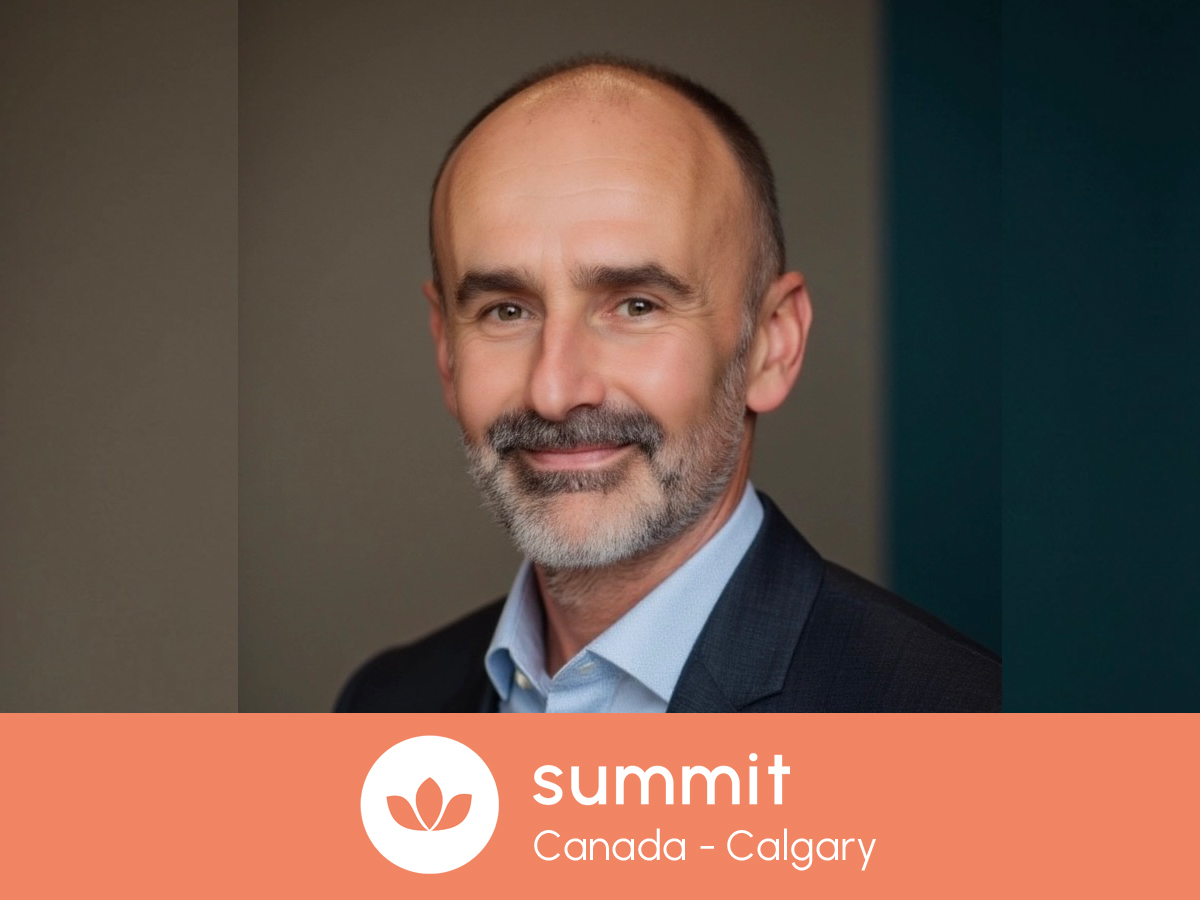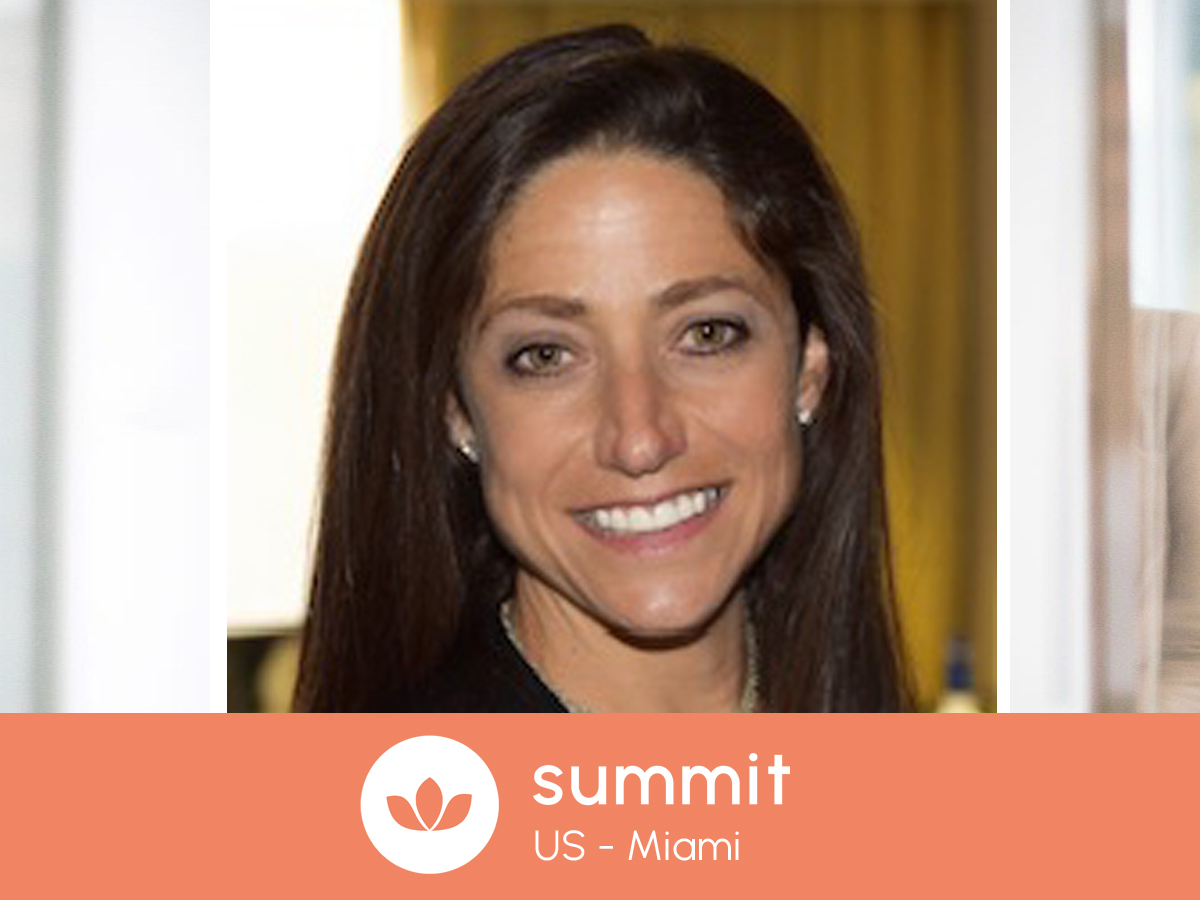
We are delighted that Yoami will be speaking in Austin, Texas as part of our Wellbeing at Work Summit US this March. We caught up with her to see how she’s feeling in the runup to the event.
Hi Yoami, we are thrilled that you will be joining us at the Wellbeing at Work Summit US in March. Our first and most important question is, how are you doing today?
I’m doing well and feeling grounded. We are in the season where there’s a lot happening in our HR realm, but I’m intentional about checking in with myself and staying connected to my purpose.
As a leader based in the region, what are the main challenges you are facing when it comes to employee wellbeing and mental health?
One of the main challenges is supporting wellbeing in a 24/7 hospitality environment where the pace never really slows down. Our teams are deeply committed to service, and that passion can sometimes come at the expense of rest, boundaries, and mental health. Another challenge is normalizing conversations around wellbeing and moving it from something reactive to something embedded into how we lead, communicate, and make decisions every day.
What strategies have you seen developing over the past 6 months, both internally and externally, that are moving the dial on wellbeing in the workplace?
Internally, I’ve seen real impact from focusing on leadership development and psychological safety. We’re investing more time in equipping leaders to have meaningful conversations, lead with empathy, and recognize early signs of burnout. Externally, there’s a noticeable shift toward integrating wellbeing with performance rather than treating it as a separate initiative. Organizations are realizing that wellbeing isn’t a perk, it’s a business need.
Why is employee wellbeing so important to you personally?
Wellbeing is important to me because I’ve seen firsthand how people thrive when they feel supported as whole humans, and not just as employees. Wellbeing affects confidence, engagement, retention, and ultimately how people show up guests and for each other. Personally, I believe leadership carries a responsibility to create environments where people can grow, feel safe, and find meaning in their work.
What impact is AI having in your organization and how are you managing that?
AI is beginning to support efficiency, consistency, and data-informed decision-making, particularly in administrative and operational processes. At the same time, we’re very intentional about ensuring AI enhances, not replaces, the human connection that is core to hospitality. We focus on transparency, education, and helping leaders understand how to use AI as a tool while keeping people, culture, and trust as the foundation.
Other than AI, are there any challenges that you are seeing for the first time and how are you addressing them?
One emerging challenge is navigating generational expectations around work, purpose, and growth. There’s a stronger desire for meaning, flexibility, and development earlier in careers. We’re evolving how we approach mentorship, career pathways, and communication, by meeting people where they are while still maintaining clear standards and accountability.
What areas do you think employers should be focused on over the next 12 months?
Employers should focus on leadership capability, retention through engagement, and sustainable workloads. Developing leaders who can coach, communicate clearly, and lead with emotional intelligence will be critical. There also needs to be continued focus on wellbeing as part of culture, not just through programs, but through everyday behaviors and decisions.
Do you feel that investment in employee wellbeing in the region is increasing or decreasing and is that a direct reflection on HR leaders’ increasing ability to demonstrate effective returns of their strategies to leadership?
I do believe investment is increasing, especially where HR leaders are able to clearly connect wellbeing to measurable outcomes like retention, engagement, and performance. The conversation is shifting from “why should we invest” to “how do we do this well and sustainably.” Data, storytelling, and alignment with business goals are making that difference.
How has your organization been leading the way?
We’ve been intentional about embedding wellbeing into leadership development, safety culture, recognition, and engagement initiatives. From mentorship programs and leadership training to proactive health and safety strategies, our approach is holistic. Most importantly, we’re focused on consistency, by showing our teams that wellbeing isn’t a moment or a message, but a commitment reflected in how we lead every day.
Yoami is speaking in Austin, TX as part of our Wellbeing at Work Summit US 2026 which takes place in New York and Austin this March, followed by Chicago and Los Angeles in May. Click the links below to find out more and book your tickets:
March 3 – New York – Click here to find out more and book
March 5 – Austin, TX – Click here to find out more and book
May 5 – Chicago – Click here to find out more and book
May 7 – Los Angeles – Click here to find out more and book