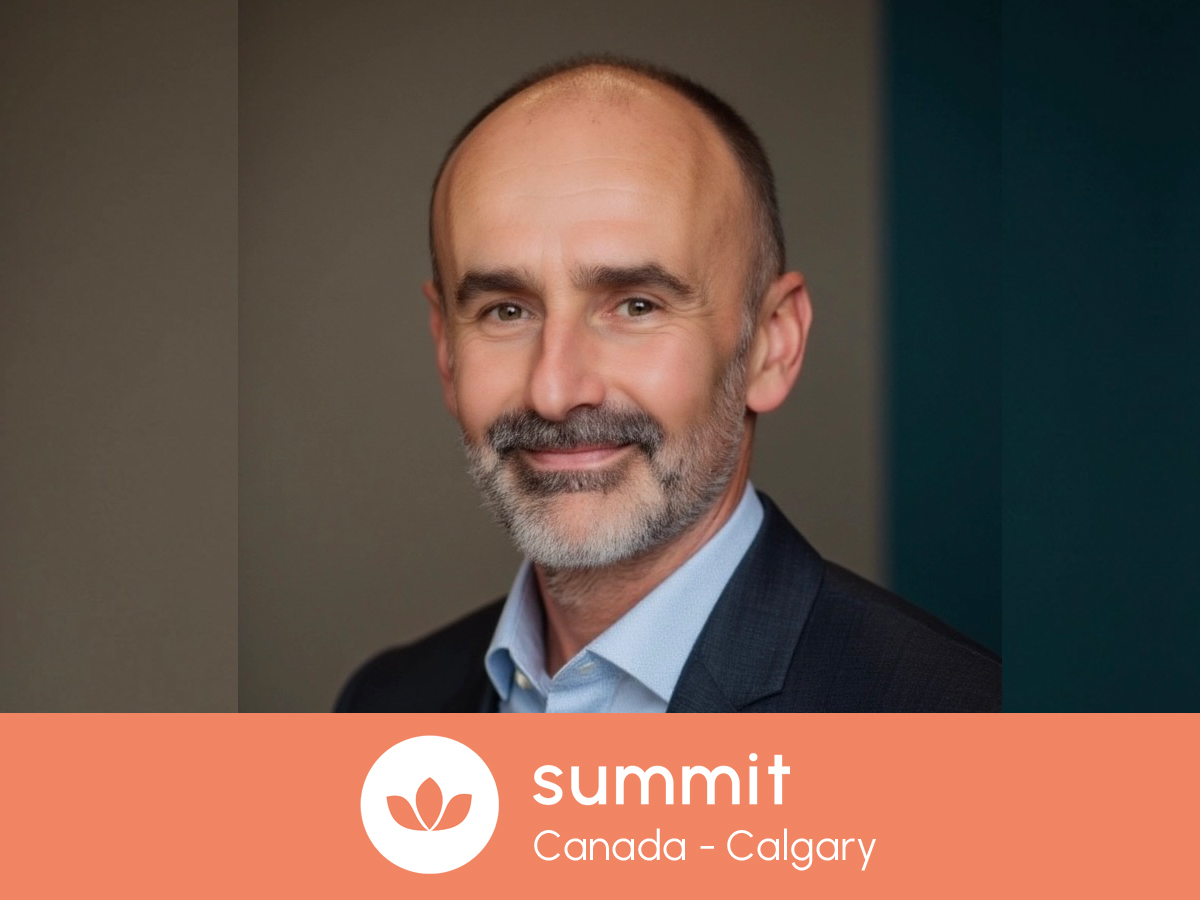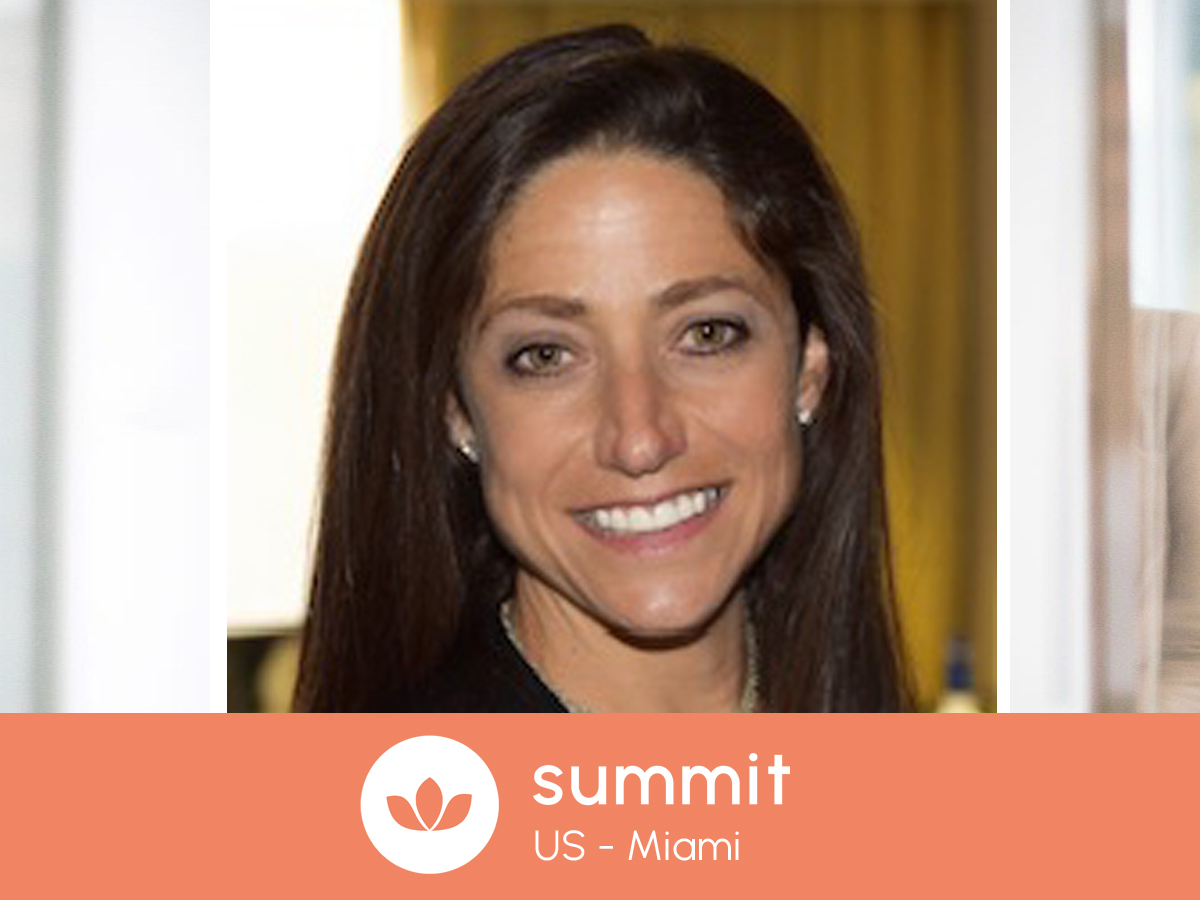
Michelle is a Design Director at tp bennett, a UK-based multidisciplinary design studio with over 100 years of experience shaping the built environment. With more than 16 years in the industry, Michelle has led award-winning workplace projects for global organisations including Spotify, Investec, Bain Capital and top-tier law firms. Her work blends strategic thinking with a deep commitment to human-centred design.
Her focus lies at the intersection of space, culture and wellbeing. She champions workplaces that enhance productivity, creativity and connection, integrating elements like biophilic design, hospitality-led experiences, inclusive planning and wellness-focused amenities.
We are delighted that Michelle will be speaking in Dubai as part of our Wellbeing at Work Summit Middle East. We caught up with her to see how she’s been feeling in the runup to the event.
Hi Michelle, we are thrilled that you will be joining us at the Wellbeing at Work Summit Middle East in January. Our first and most important question is, how are you doing today?
I’m doing very well, thank you. As the year draws to a close, I’m feeling motivated and reflective after a busy and rewarding period. I’m currently spending time with family in Melbourne, where I’m originally from, before returning to London in mid-January. It’s been a valuable opportunity to pause, recharge, and gain perspective ahead of the year ahead.
As a leader based in the region, what are the main challenges you are facing when it comes to employee wellbeing and mental health?
Historically, one of the key challenges has been a lack of understanding around the importance of wellbeing and mental health, particularly where the benefits can feel intangible or difficult to quantify. In some cases, this has also extended to a reluctance to invest in improving environments beyond immediate functional needs.
That said, this is changing rapidly. As the market matures, there is a growing recognition of the impact wellbeing has on employees, families, communities, and organisational performance. Access to specialist products, services, and expertise is increasing, and wellbeing is now far more commonly embedded into early project conversations. While some resistance still exists, it is reassuring that wellbeing is increasingly part of the briefing process in a way that simply wasn’t the case 10 to 15 years ago.
What strategies have you seen developing over the past 6 months, both internally and externally, that are moving the dial on wellbeing in the workplace?
Leading by example has been a powerful starting point. As an established design Practice in the region, we actively strive to practise what we preach within our own organisation.
Externally, we are seeing wellbeing discussions being brought much earlier into projects, particularly during the briefing and alignment phases. Our strategy focuses on creating clarity and shared understanding with clients around how and where wellbeing and mental health considerations can be meaningfully integrated. When this alignment happens early, it becomes far easier to embed wellbeing into the design and delivery process, rather than treating it as an add-on later.
Why is employee wellbeing so important to you personally?
This is something I connect with on both a professional and personal level. I’ve experienced health challenges from a young age, and after experiencing burnout in 2020 alongside a range of new health issues, I decided to take a more proactive approach to my wellbeing and trained to be a health coach alongside working as a designer.
The design industry is fast-paced and demanding, often characterised by long hours and intense deadlines, which can compromise work-life balance if not managed carefully. Today, I wear two hats: interior designer and health and embodiment coach for creative leaders. This allows me to bring greater empathy and insight into workplace design conversations, and to advocate for environments and cultures that genuinely support long-term wellbeing.
What impact is AI having in your organization and how are you managing that?
AI is already having a considerable impact across our organisation. We are actively experimenting with and exploring its potential across multiple areas, from design development to commercial and operational processes.
Beyond efficiency gains, AI is also encouraging new ways of thinking within our teams, sparking discussion, collaboration, and learning through workshops and internal conversations. Our focus is on thoughtful integration, using AI as a tool to support creativity, decision-making, and productivity, rather than replace human insight.
Other than AI, are there any challenges that you are seeing for the first time and how are you addressing them?
One emerging challenge is the growing expectation for increased, and often unrealistic, speed of design and delivery, driven in part by perceptions of what AI can achieve. While efficiency is valuable, this can sometimes undermine a considered, quality-focused design process.
We are addressing this by reinforcing the importance of time for thinking, testing, and collaboration, and by continuing to educate clients on the long-term value of thoughtful design in achieving better outcomes for both people and organisations.
What areas do you think employers should be focused on over the next 12 months?
Workplace culture will be critical. Employers need to focus on leading from the top and creating cultures where wellbeing is modelled through everyday behaviours, not just policies. Psychological safety, trust, and clear communication will be key drivers of engagement and retention.
There is also an opportunity to better align culture with physical environments and ways of working, ensuring that spaces, expectations, and daily rhythms genuinely support how people feel, perform, and connect at work.
Do you feel that investment in employee wellbeing in the region is increasing or decreasing and is that a direct reflection on HR leaders’ increasing ability to demonstrate effective returns of their strategies to leadership?
Investment in employee wellbeing is increasing significantly. Historically, the region has been relatively transient, which often reduced the perceived need for long-term investment in people. This is changing as the Middle East positions itself as a longer-term destination for both expatriates and local talent.
The market is also becoming increasingly competitive, and organisations recognise that attracting and retaining talent requires more than salary alone. Wellbeing-led environments are fast becoming a non-negotiable, supported by HR leaders who are increasingly able to demonstrate the tangible returns of their wellbeing strategies.
How has your organization been leading the way?
We have invested in our people and have always worked to ensure we provide a wellbeing-led environment. We actively support our teams through external coaching and use Gallup tools such as engagement surveys and StrengthsFinder to ensure we are consistently monitoring engagement, performance, happiness, and wellbeing. We are very proud of our staff retention, as well as the number of people who choose to return to the business.
We value diversity of thought and are fortunate to have an age range of 17 to 70, with over 30 languages spoken.
Michelle is speaking in Dubai as part of our Wellbeing at Work Summit Middle East 2026 which takes place in Cairo, Riyadh, Muscat and Dubai in January. Click the links below to find out more and book your tickets:
20 January 2026 – Cairo – Click here to find out more and book
22 January 2026 – Riyadh – Click here to find out more and book
27 January 2026 – Muscat – Click here to find out more and book
29 January 2026 – Dubai – Click here to find out more and book