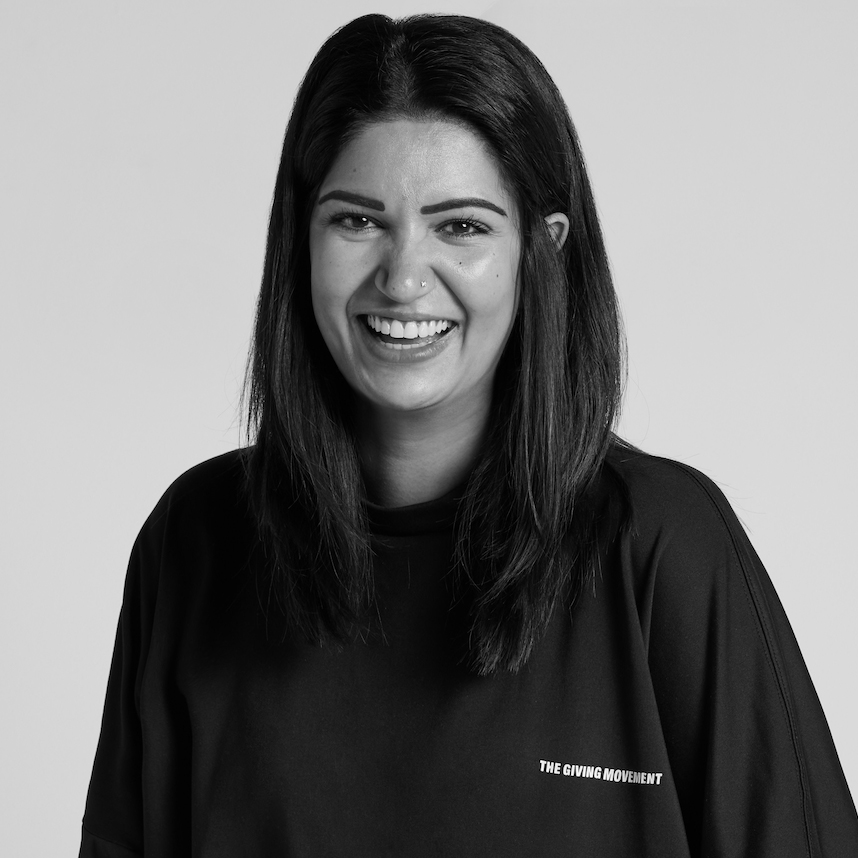
We are delighted that Sabahatt will be speaking in Dubai as part of our Wellbeing at Work Summit Middle East. We caught up with her to see how she’s been feeling in the runup to the event.
Hi Sabahatt, we are thrilled that you will be joining us at the Wellbeing at Work Summit Middle East in January. Our first and most important question is, how are you doing today?
Thank you for asking, it’s refreshing to start there.
So often we rush past that question without really stopping or waiting for an honest answer. Today, I’m doing very well, present, grateful, and in a good place.
As a leader based in the region, what are the main challenges you are facing when it comes to employee wellbeing and mental health?
The biggest challenge is normalisation.
We still live in a region where resilience is praised, but vulnerability is often misunderstood. Many employees are exhausted, not because they’re weak, but because they’ve been strong for too long, at work, at home, and in life.
Another challenge is the pace. Fast-growth businesses, especially in retail and tech-enabled environments, move quickly. If leaders don’t intentionally slow down to listen, wellbeing becomes reactive instead of preventative.
What strategies have you seen developing over the past 6 months, both internally and externally, that are moving the dial on wellbeing in the workplace?
The biggest shift I’m seeing is a move away from “wellbeing theatre.”
Fewer posters, fewer campaigns, more responsibility.
What’s working is simple:
- Managers having uncomfortable, honest conversations
- Clear expectations instead of constant urgency
- Using data to intervene early, not explain burnout after the damage is done
Internally, we focus on energy and clarity. When people don’t know where they stand, wellbeing is the first thing to break.
Why is employee wellbeing so important to you personally?
Because I’ve seen what happens when it’s ignored, in people I love, in teams I’ve led, and in myself.
Life and it’s experiences have reshaped how I view time, pressure, and what actually matters. Work will always be important to me, but never at the cost of someone’s health or dignity.
Wellbeing isn’t soft. It’s what allows people to stay in the game — and to live full lives outside of it.
What impact is AI having in your organization and how are you managing that?
AI is changing how we work, but it shouldn’t change how we treat people.
We’re using AI to reduce admin, increase clarity, and support better decision-making, not to replace human judgment. The biggest wellbeing risk with AI isn’t job loss; it’s cognitive overload and fear of irrelevance.
Our role as leaders is to remove anxiety, upskill teams, and remind people that empathy, creativity, and judgment are still deeply human skills.
Other than AI, are there any challenges that you are seeing for the first time and how are you addressing them?
Yes, quiet burnout paired with high performance. People are delivering results, hitting targets, and still feeling empty or depleted. That’s more dangerous than visible disengagement.
We’re addressing this by:
- Redefining what “high performance” actually means
- Encouraging rest without guilt
- Training managers to spot emotional fatigue, not just missed deadlines
What areas do you think employers should be focused on over the next 12 months?
Three things:
- Manager capability — wellbeing lives or dies with the line manager
- Energy, not hours — stop rewarding exhaustion
- Belonging — especially in diverse, multi-cultural workplaces
Policies don’t create wellbeing. Behaviours do.
Do you feel that investment in employee wellbeing in the region is increasing or decreasing and is that a direct reflection on HR leaders’ increasing ability to demonstrate effective returns of their strategies to leadership?
Investment is increasing, but scrutiny is too.
Leaders are asking better questions now: What’s working? What’s measurable? What’s sustainable? That’s a good thing.
The HR leaders who make the biggest difference understand this: wellbeing isn’t about being seen, it’s about being consistent. And at its core, it’s about humanity.
How has your organization been leading the way?
By being honest. We don’t pretend work is always easy, or that culture alone solves everything. We focus on:
- Clear expectations
- Fairness and transparency
- Regular feedback
- Leadership accountability
Wellbeing, for us, is not a program. It’s how decisions are made, especially the hard ones.
Sabahatt is speaking in Dubai next week as part of our Wellbeing at Work Summit Middle East 2026 which takes place in Cairo, Riyadh, Muscat and Dubai in January. Click the links below to find out more and book your tickets:
20 January 2026 – Cairo – Click here to find out more and book
22 January 2026 – Riyadh – Click here to find out more and book
27 January 2026 – Muscat – Click here to find out more and book
29 January 2026 – Dubai – Click here to find out more and book