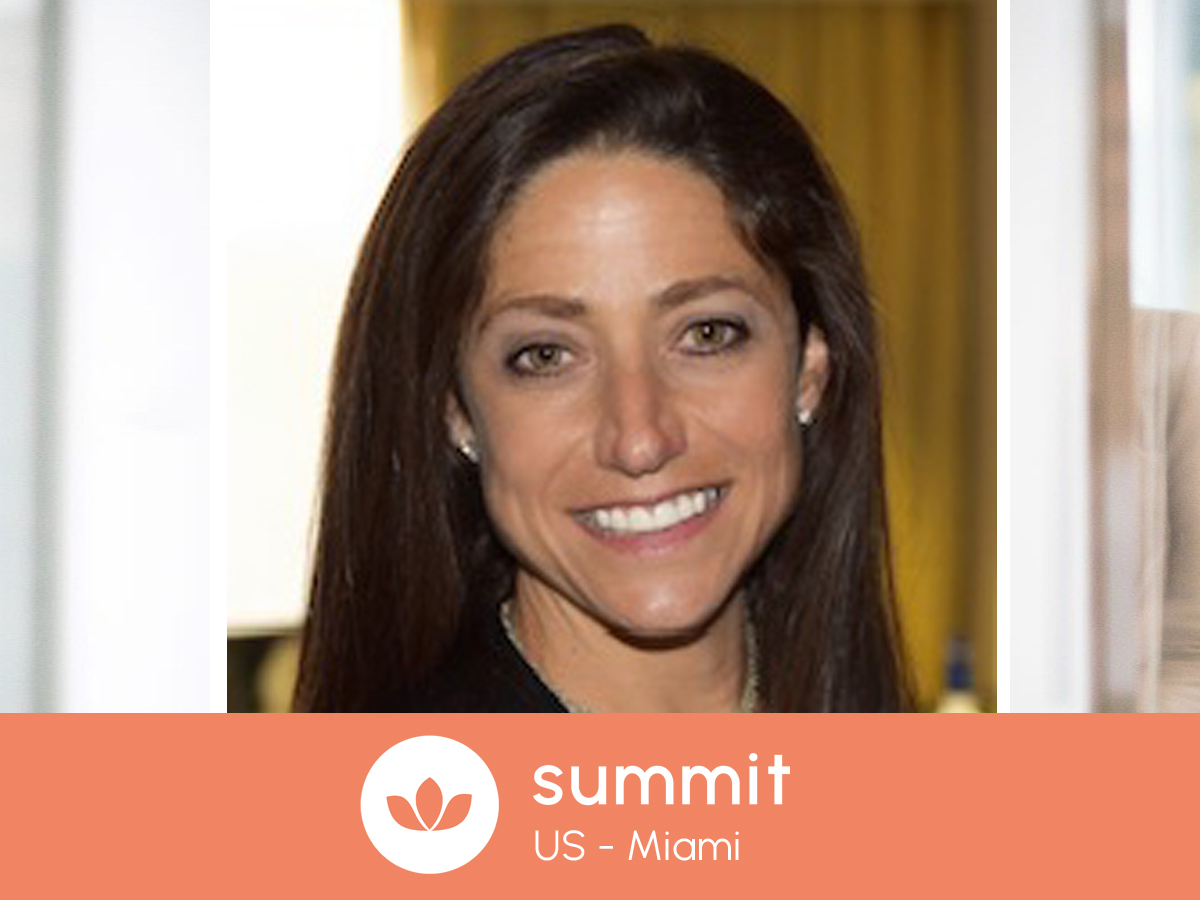
Dr. Sola Togun-Butler is the Founder, CEO, & Psychotherapist at Butterfly Counseling Services. Previously, she was an Assistant Professor and Associate Chairperson in the Human Services Department at St. Joseph’s University in Brooklyn, New York. She established Butterfly Counseling Services to make mental health services accessible and affordable for a diverse client population and to challenge the stigma associated with receiving mental health services by humanizing mental health.
We are delighted that Dr. Sola will be joining us in both Muscat and Dubai during our Wellbeing at Work Summit Middle East in January. We caught up with her to see how she’s feeling in the runup to the event.
Hi Dr. Sola, we are thrilled that you will be joining us at the Wellbeing at Work Summit Middle East in January. Our first and most important question is, how are you doing today?
Thank you for asking! overall, I am doing quite well. This time of year is always a demanding season in the mental health field. During the holidays, many individuals experience heightened feelings of loneliness, isolation, grief, and loss, which often lead them to seek mental health support. As a result, my schedule becomes significantly busier as I work to help clients navigate these emotionally challenging experiences. Because of this increased demand, it is especially important that I remain intentional about my own well-being. To show up fully and be present for my clients, I must also prioritize rest, boundaries, and self-care. Maintaining my emotional and mental health ensures that I can continue to provide compassionate, effective, and grounded support, particularly during a season when so many people need it most.
As a leader based in the region, what are the main challenges you are facing when it comes to employee wellbeing and mental health?
The main challenges that I see regarding employee wellbeing and mental health stem from a gap between what leaders say and what organizations actually practice. While many leaders speak about the importance of well-being, the organizational culture often does not reflect those values. A culture that does not actively promote psychological safety, work–life balance, inclusivity, and open communication sends a clear message to employees that well-being is secondary, despite the rhetoric. True commitment to employee wellbeing requires weaving supportive policies, structures, and behaviors into the fabric of the organization, not treating wellbeing and mental health as a one-time initiative or a seasonal talking point. The most impactful organizations will be the ones that invest in long-term cultural changes and not just short-term messaging
What strategies have you seen developing over the past 6 months, both internally and externally, that are moving the dial on wellbeing in the workplace?
Over the past six months, I have observed a noticeable shift both within organizations and across industries toward prioritizing employee well-being as a core component of organizational health and performance. Increasingly, leaders are recognizing that when employee well-being is overlooked, the consequences extend far beyond individual stress or dissatisfaction. Unaddressed well-being needs contribute to reduced productivity, increased absenteeism, higher turnover, burnout, and ultimately, measurable financial loss for the organization. As this understanding becomes more widespread, organizations are adopting more intentional and proactive strategies to support their workforce. Internally, many companies are investing in comprehensive well-being initiatives that integrate mental health resources, flexible work arrangements, leadership training on psychological safety, and policies that promote sustainable workloads. These efforts are being designed not as one-off programs but as part of a long-term cultural shift toward embedding wellbeing into organizational values and decision-making. Externally, employees are becoming significantly more vocal about their expectations regarding well-being. Candidates are asking during job interviews about mental health benefits, work-life balance policies, and organizational culture, signaling a changing landscape in talent acquisition. This places added pressure on employers to demonstrate their commitment to wellbeing in tangible ways if they hope to attract and retain top talent.
Why is employee wellbeing so important to you personally?
Employee well-being is deeply important to me because it reflects an organization’s genuine commitment to valuing its people, ensuring psychological safety, and creating the conditions for individuals to thrive. From a clinical perspective as a psychotherapist, I have witnessed firsthand the consequences when well-being is overlooked, ranging from heightened stress and anxiety to diminished creativity, strained relationships, and overall emotional exhaustion. When employees are not supported, the impact extends far beyond the workplace. It affects family dynamics, personal identity, physical health, and the capacity for rest and restoration. Conversely, when well-being is prioritized, employees are more resilient, more innovative, and more engaged. They feel seen, supported, and empowered to bring their best selves to their work and their personal lives. Personally, I view wellbeing as a fundamental human need and a strategic imperative that shapes organizational culture, performance, and long-term success.
What impact is AI having in your organization and how are you managing that?
AI is a valuable tool in our organization, particularly in enhancing clinical decision-making and improving the efficiency of care. Based on the symptoms clients present, AI-powered systems can suggest potential diagnoses and evidence-based treatment modalities, which help guide therapists in developing more accurate and individualized care plans. This technology does not replace clinical judgment; rather, it supports it by ensuring we consider a comprehensive range of diagnostic possibilities and interventions.
Other than AI, are there any challenges that you are seeing for the first time and how are you addressing them?
One of the emerging challenges we are increasingly observing is employees feeling disempowered to advocate for their own well-being due to organizational culture. Many individuals express fear that disclosing mental health needs or requesting reasonable boundaries could be perceived negatively or jeopardize their job security. This fear is often reinforced by workplace cultures that implicitly reward constant availability while penalizing healthy boundary-setting, such as not responding to emails after work hours or maintaining protected personal time on weekends. To address this, we focus on educating both employees and leadership about the critical role of psychological safety and the long-term organizational benefits of supporting wellbeing. We provide training on boundary-setting, burnout prevention, and communication strategies, while also helping leaders understand how to model healthy behaviors and create environments where employees feel safe speaking up. In addition, we encourage organizations to adopt clearer policies around workload, after-hours expectations, and mental health accommodations to shift the culture from one of fear to one of support and trust.
What areas do you think employers should be focused on over the next 12 months?
Over the next year, employers should prioritize developing and implementing comprehensive mental health and wellness policies that are not merely documented but fully integrated into the organizational culture. This involves clearly defining the organization’s values and demonstrating a commitment to wellbeing through action. Key focus areas include offering mental health days, providing ongoing wellness training, expanding flexible work arrangements, and recognizing the unique needs of parents, caregivers, and employees managing chronic stress. Employers should also conduct regular assessments to ensure their wellbeing initiatives remain relevant, equitable, and aligned with employee experiences. Ultimately, creating a culture of wellbeing requires consistency, accountability, and engagement.
Do you feel that investment in employee wellbeing in the region is increasing or decreasing and is that a direct reflection on HR leaders’ increasing ability to demonstrate effective returns of their strategies to leadership?
I believe investment in employee wellbeing is steadily increasing, largely because HR leaders are now better equipped to demonstrate the clear return on investment associated with a mentally healthy workforce. Organizations are recognizing that when employees feel psychologically safe, valued, and supported, they are more engaged, more productive, and more loyal, directly influencing organizational performance and revenue. This shift also reflects a broader understanding that well-being is not a “perk,” but a strategic priority. HR leaders are increasingly leveraging data, metrics, and measurable outcomes to show leadership that wellbeing initiatives yield tangible and sustainable benefits. The resulting investment is a reflection of both improved advocacy from HR leaders and an evolving organizational awareness that well-being is essential to long-term success.
How has your organisation been leading the way?
Butterfly Counseling Services has been leading the way by partnering with organizations to provide high-quality mental health and wellness training designed to strengthen employee well-being. We offer consultation and strategic guidance to help organizations embed mental health and wellness into their policies, processes, and culture. Our work includes supporting leaders in creating psychologically safe environments, developing actionable well-being frameworks, and ensuring that employees have access to supportive resources. We also emphasize the importance of continuous evaluation, encouraging organizations to regularly assess the impact of their wellbeing initiatives and involve employees in shaping and refining these efforts. Through education, consultation, and collaborative implementation, we help organizations move toward cultures where well-being is prioritized, measurable, and sustainable
Dr. Sola will be speaking in both Muscat and Dubai during our Wellbeing at Work Summit Middle East 2026 which takes place in Cairo, Riyad, Muscat and Dubai in January. Click the links below to find out more and book your tickets:
20 January 2026 – Cairo – Click here to find out more and book
22 January 2026 – Riyadh – Click here to find out more and book
27 January 2026 – Muscat – Click here to find out more and book
29 January 2026 – Dubai – Click here to find out more and book